01
2 families
Ventilated Housing Systems
IVC and EVC cage systems for rodent housing, cage racks and animal-room airflow planning.

HEMU Vivarium
IVC and EVC cage systems, cage washers, transfer stations and equipment for animal care.
Ventilated housing
IVC and EVC cage systems
Animal care
Housing cages and enrichment
Cage processing
Washing, water and bedding
Controlled handling
Transfer, containment and procedures
Browse by facility area
All 20 equipment categories are organized into five facility areas, from animal housing and daily care to cage processing, containment and procedure support.
01
2 families
IVC and EVC cage systems for rodent housing, cage racks and animal-room airflow planning.
02
5 families
Species-specific cages and enrichment equipment for rodents, large animals and non-human primates.
03
5 families
Cage and bottle washers, water preparation, bedding handling and sterilization equipment for daily support areas.
04
4 families
Transfer stations, biological safety cabinets, isolators and clean benches for controlled animal handling.
05
Facility support
Necropsy and operating tables, stainless laboratory furniture and related vivarium support equipment.
Explore procedure-room solutions
Individually ventilated cages and racks for mouse and rat housing.
Product families
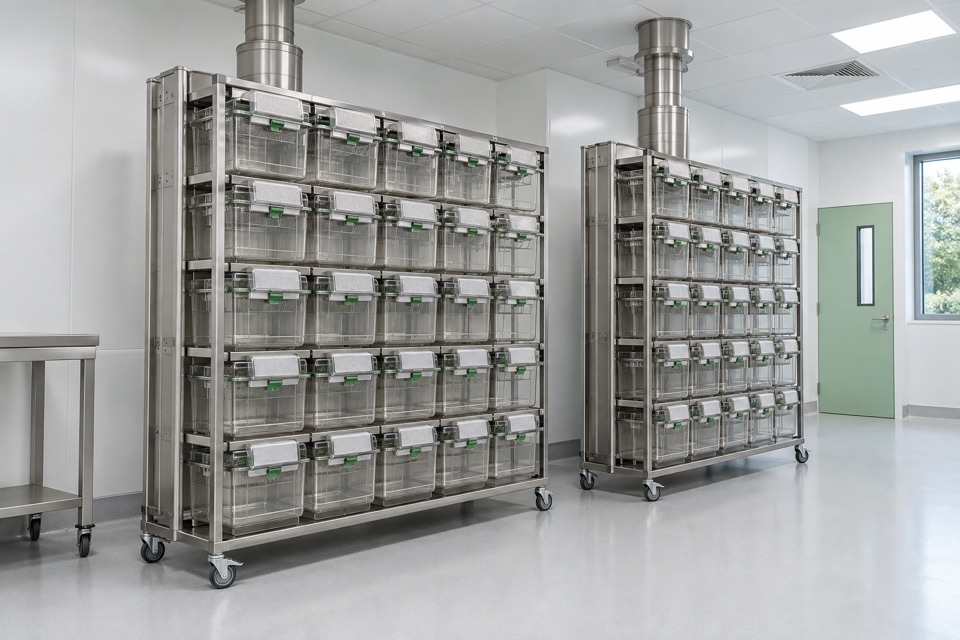
Ventilated cage systems connected to the facility central exhaust.
Explore EVC Systems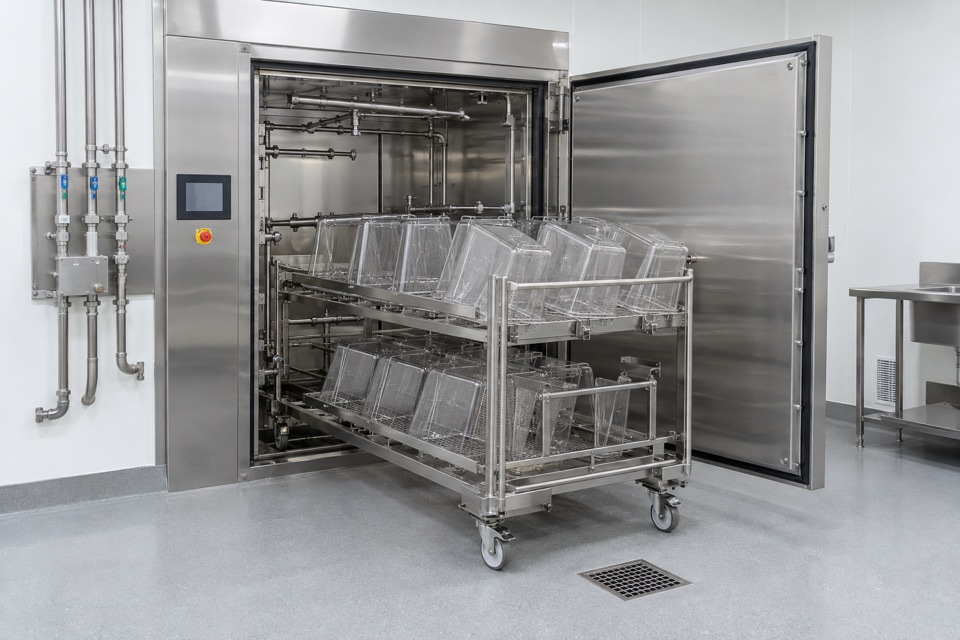
Cage and rack washing equipment for vivarium washrooms.
Product families
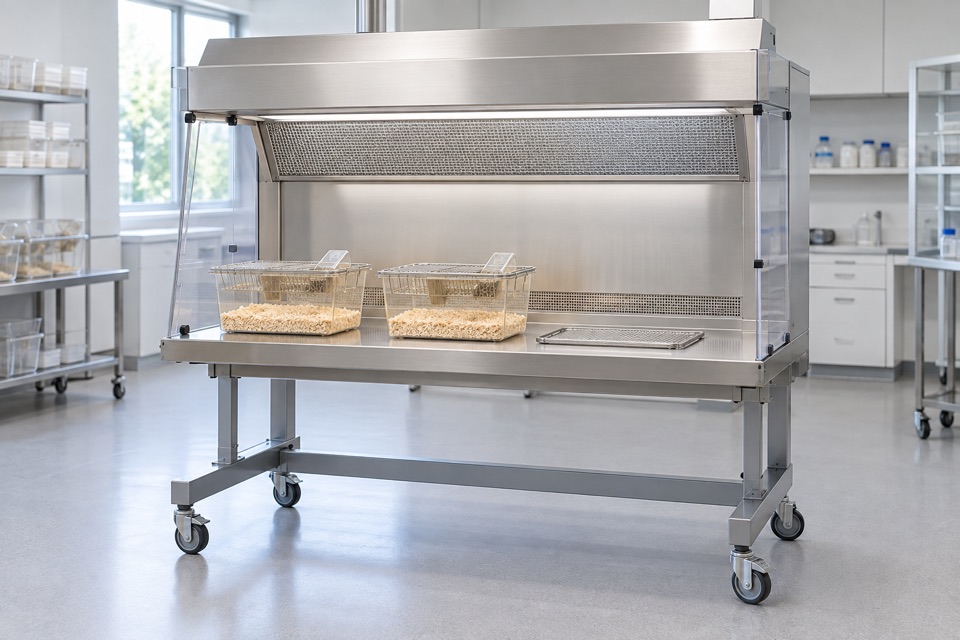
Workstations for cage changing and controlled animal handling.
Product families
Applications and solution reference
Explore typical facility scenarios and the equipment used to support them.
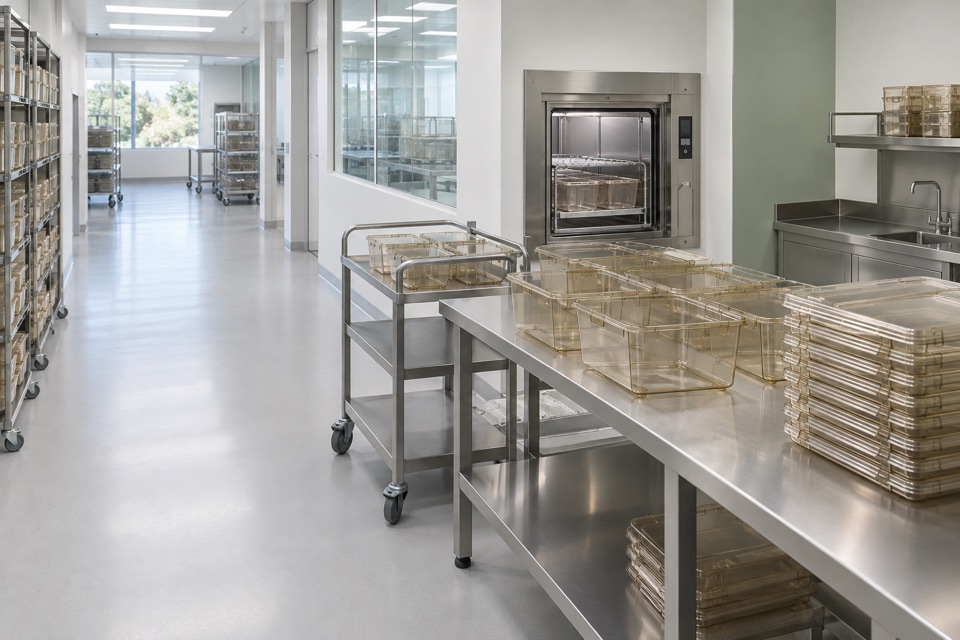
Solution reference
Plan cage type, rack arrangement, airflow mode, and bottle handling around a practical rodent room layout.
View solution referenceSolution reference
Connect cage washers, bottle washers, bedding handling, sterilization, and stainless support furniture into a clean and dirty room plan.
View solution referenceSolution reference
Coordinate transfer stations, clean benches, biosafety cabinets, and isolators for handling tasks that need cleaner air or containment.
View solution referenceSolution reference
Prepare procedure rooms with necropsy tables, surgery tables, stainless furniture, and transfer support for practical daily operation.
View solution referenceManufacturing capability
Workshop processes include sheet-metal cutting, punching, bending and forming for equipment panels, frames and related components. Material, dimensions, finish and assembly scope are reviewed against the selected equipment configuration.
Explore workshop capability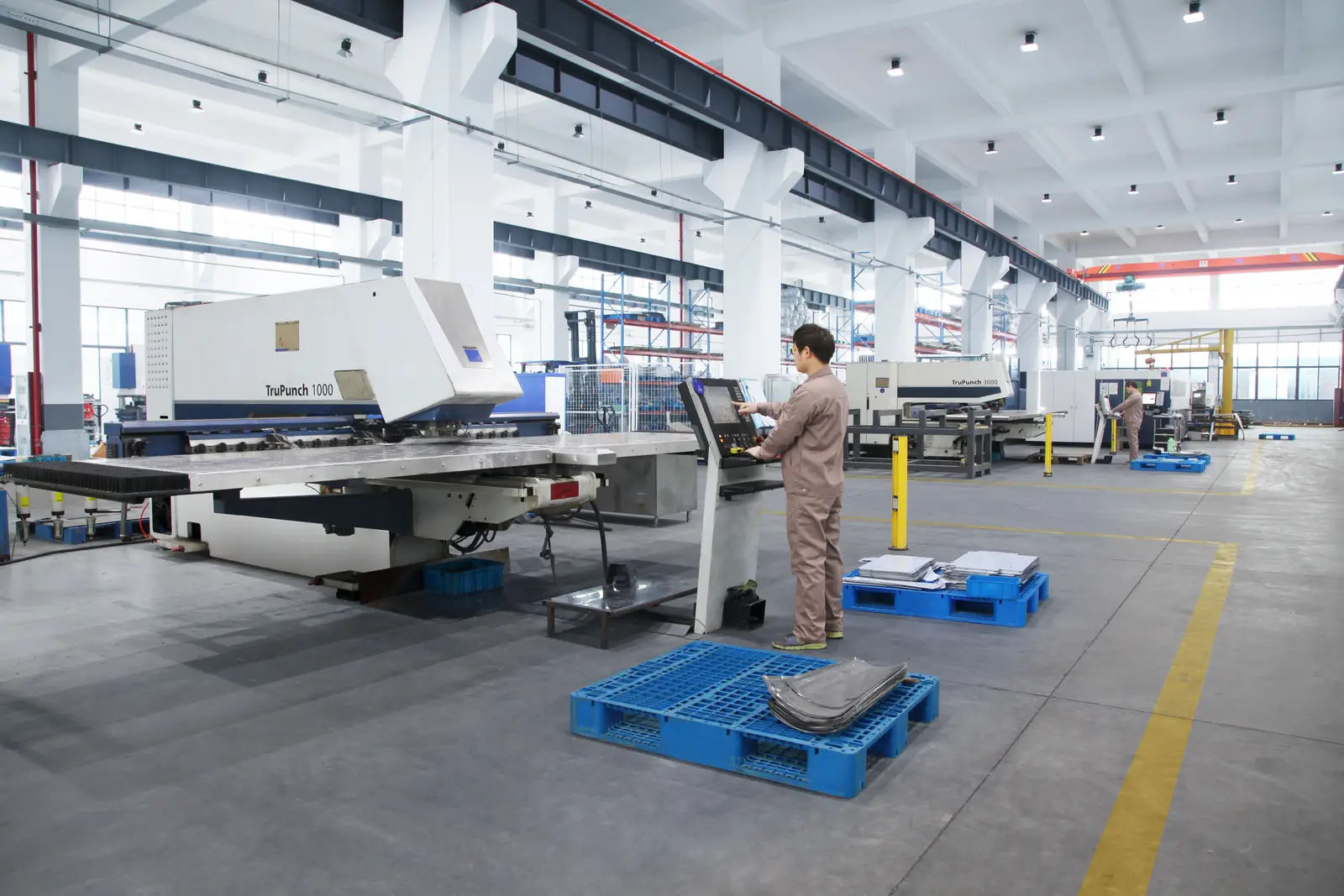
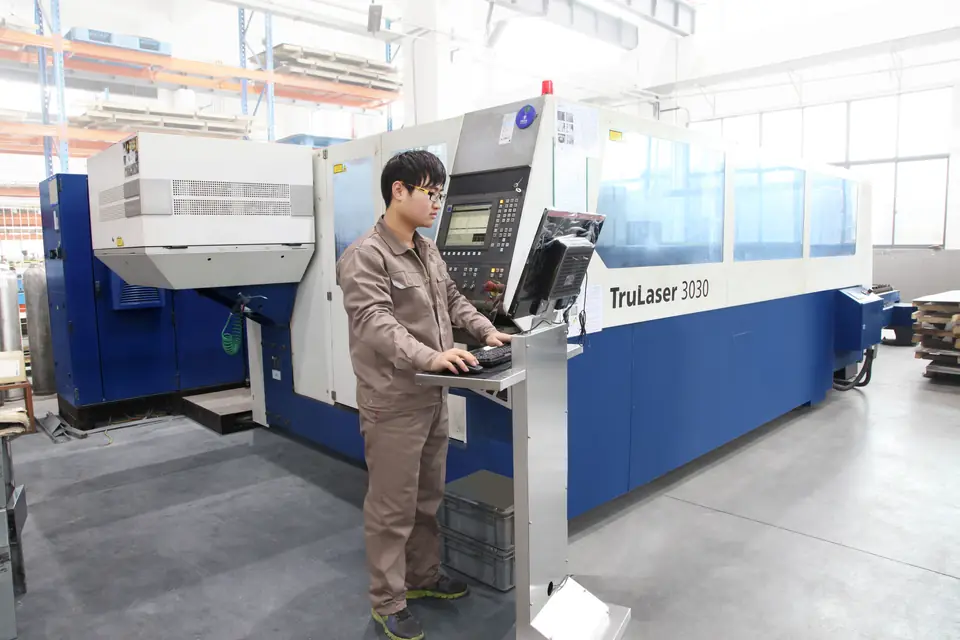
Cut profiles are prepared around the part drawing and selected material.
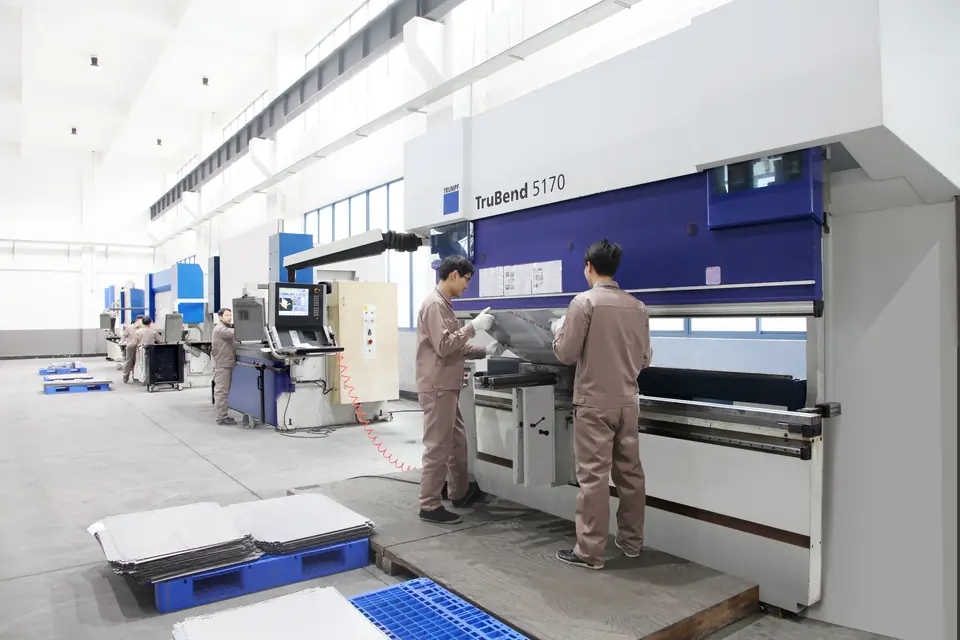
Formed parts are reviewed for geometry, fit and downstream assembly needs.
Plan your equipment requirements
You can start with a room layout, a daily care description or an equipment list. Add drawings and specifications when they are available.
Discuss your requirements01
Room dimensions, access routes, clean and dirty separation, and service clearances help identify equipment that fits the space.
02
Species, cage or load format, quantities, utilities and interfaces guide the equipment selection.
03
Drawings, target dimensions and notes that need clarification help us prepare a more accurate quote.
Selection guides and resources
Use these guides to compare product options and share clearer project details.
Selection Guide
A practical guide for comparing cage format, rack layout, airflow mode, bottle options, and room layout for an IVC equipment quote.
Read guideQuote Checklist
Key information to prepare before discussing cage washers, rack washers, bottle washers, and bedding handling equipment.
Read guideComparison Guide
How to frame airflow, working width, protection direction, and room placement when comparing animal transfer stations and clean benches.
Read guideQuote Preparation
A practical checklist for sharing product names, room layout, quantities, operating notes, drawings, and points that still need clarification.
Read guideBefore you request a quote
Final configuration, commercial terms and delivery scope are set during the quote and order process.
Start with the care task and room sequence, then explore the relevant equipment family.
Check room, utility, quantity and interface requirements before selecting a final configuration.
Final configuration, commercial terms and delivery scope are set during the quote and order process.
Frequently asked questions
Start with the equipment family or care task, then add species, room layout, quantity, utility conditions, project country and any available drawings or reference specifications.
Yes. A room layout, daily use notes and expected equipment sequence can be a better starting point when the final product family has not yet been selected.
The final configuration depends on the intended use, dimensions, interfaces, utilities, quantities and project requirements.
Describe the existing room, equipment to be retained, access constraints and the care routine that needs to continue during replacement or expansion.
Request a quote
Start with a product, equipment category or room requirement. You can add drawings and reference specifications later.
Company details
Shanghai Hemu Intelligent Technology Co., Ltd.
696 Caozhi Road, Xinchang Town, Pudong, Shanghai 201321, China.