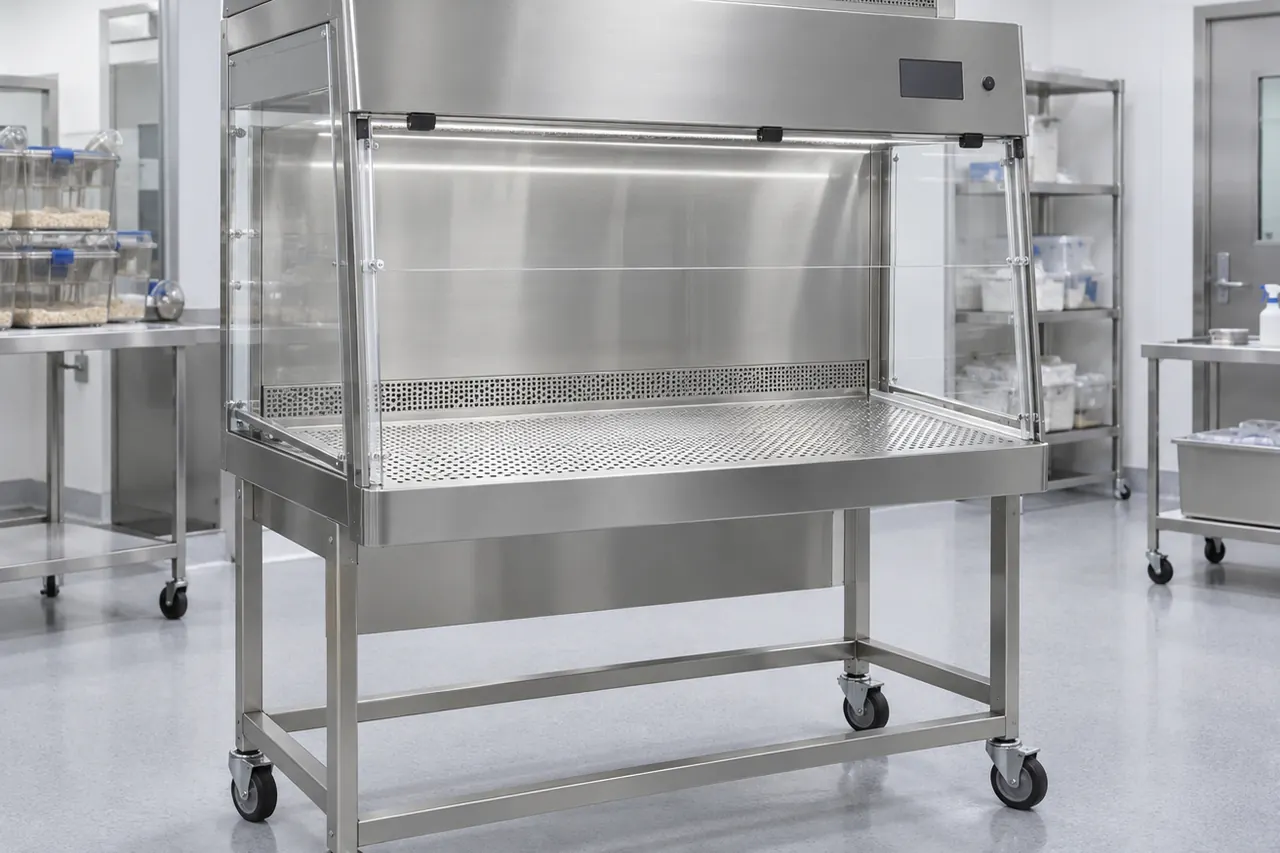
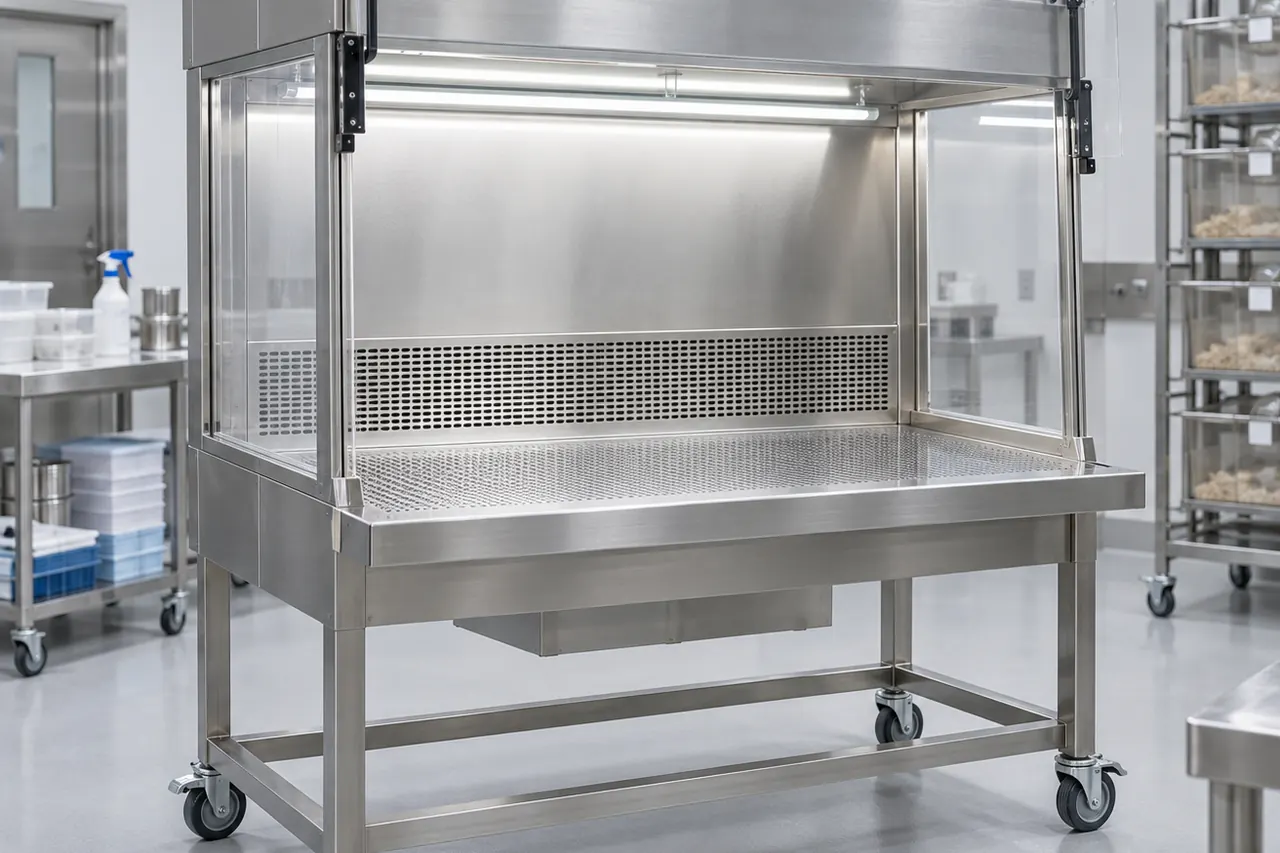
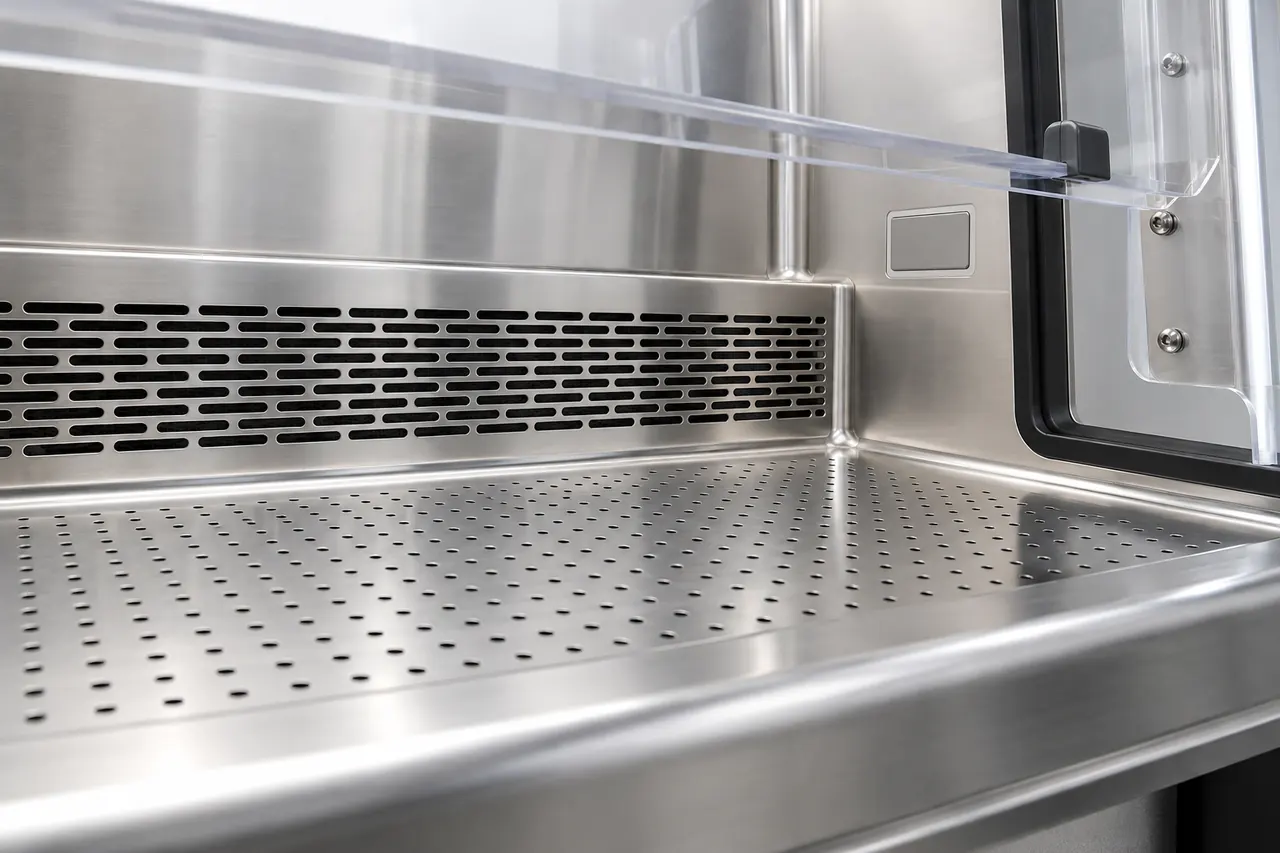
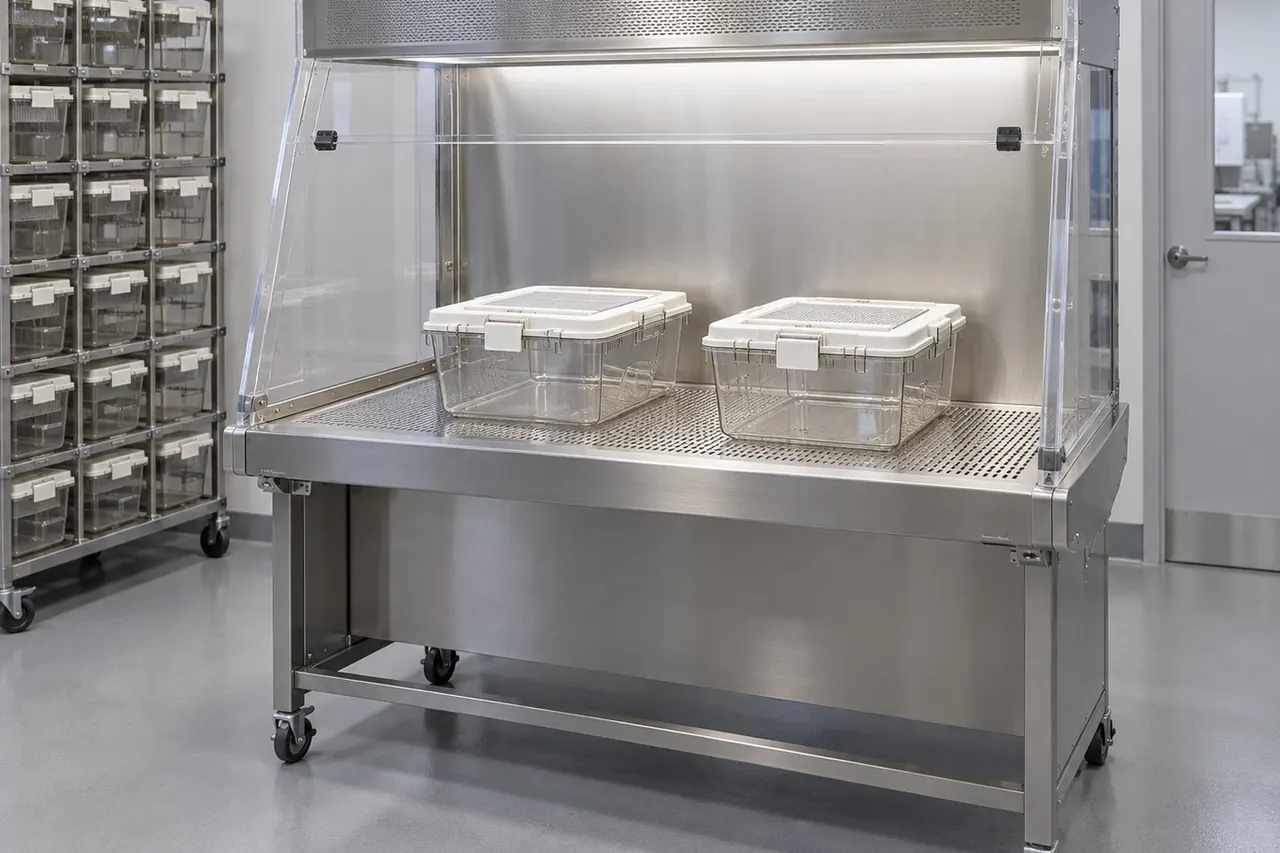
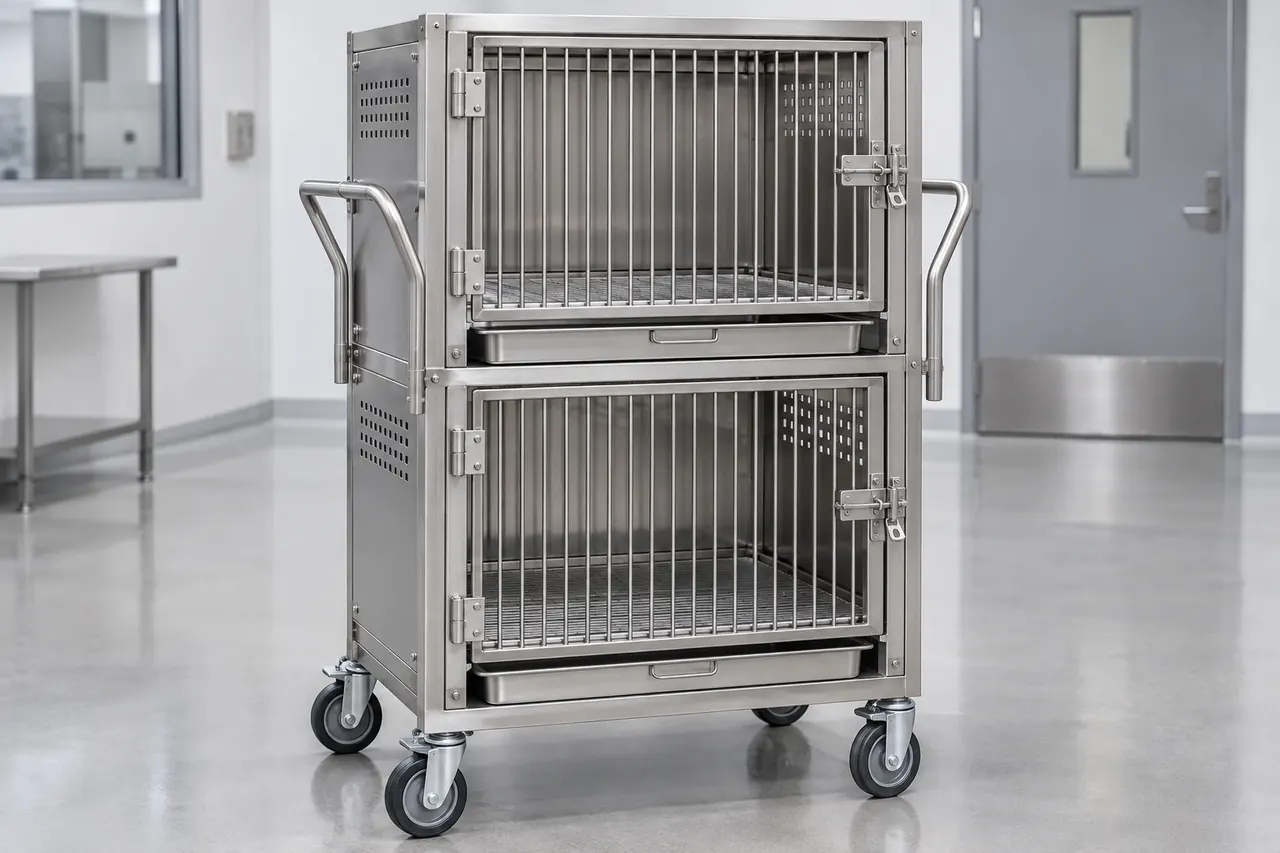
Animal Cage Change Station complete product overview

Animal Transfer Stations

Animal Cage Change Station

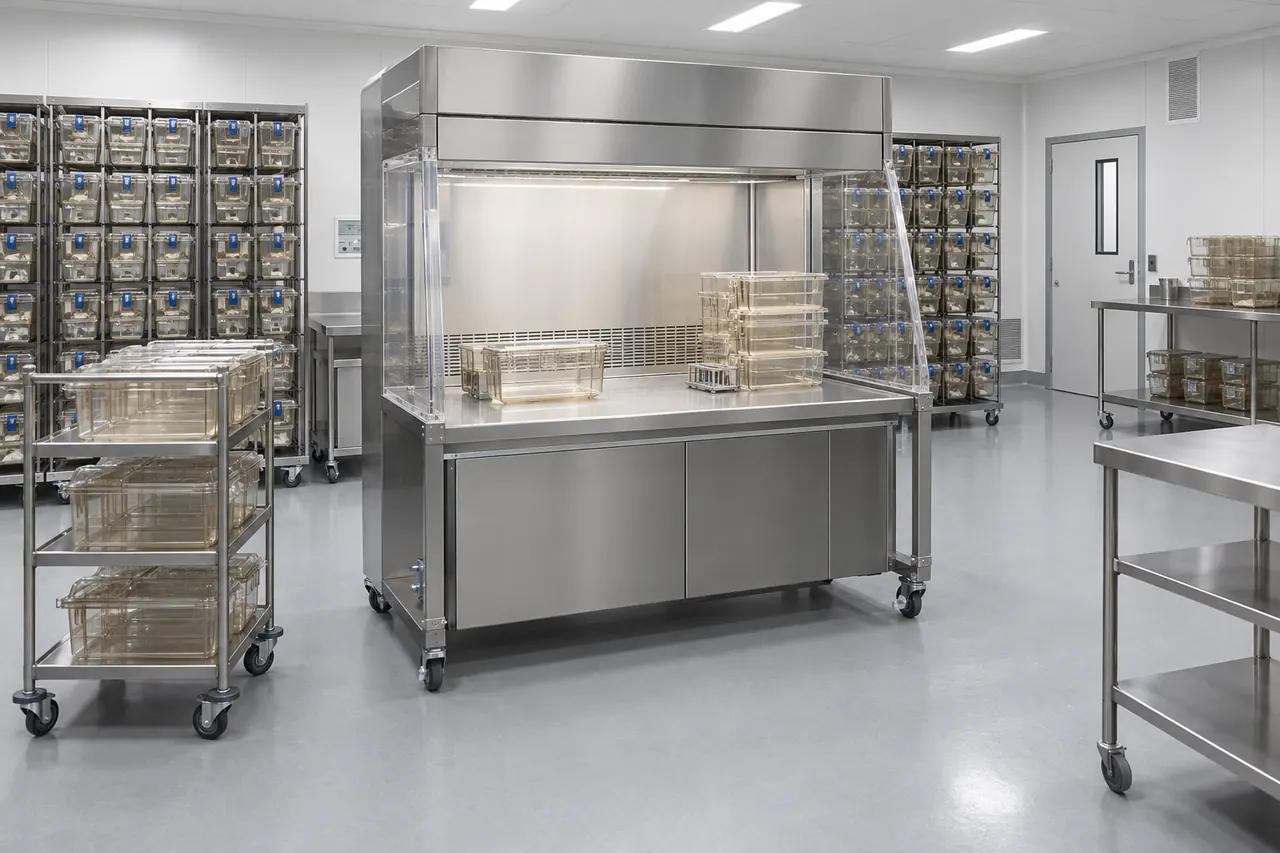
Animal Cage Change Station supports a defined cage-opening and transfer task at the point of work.

Room fitlocalized work zone for opening cages and transferring animals or components during cage-changing tasksProduct overview

Product overview

What this equipment is used for

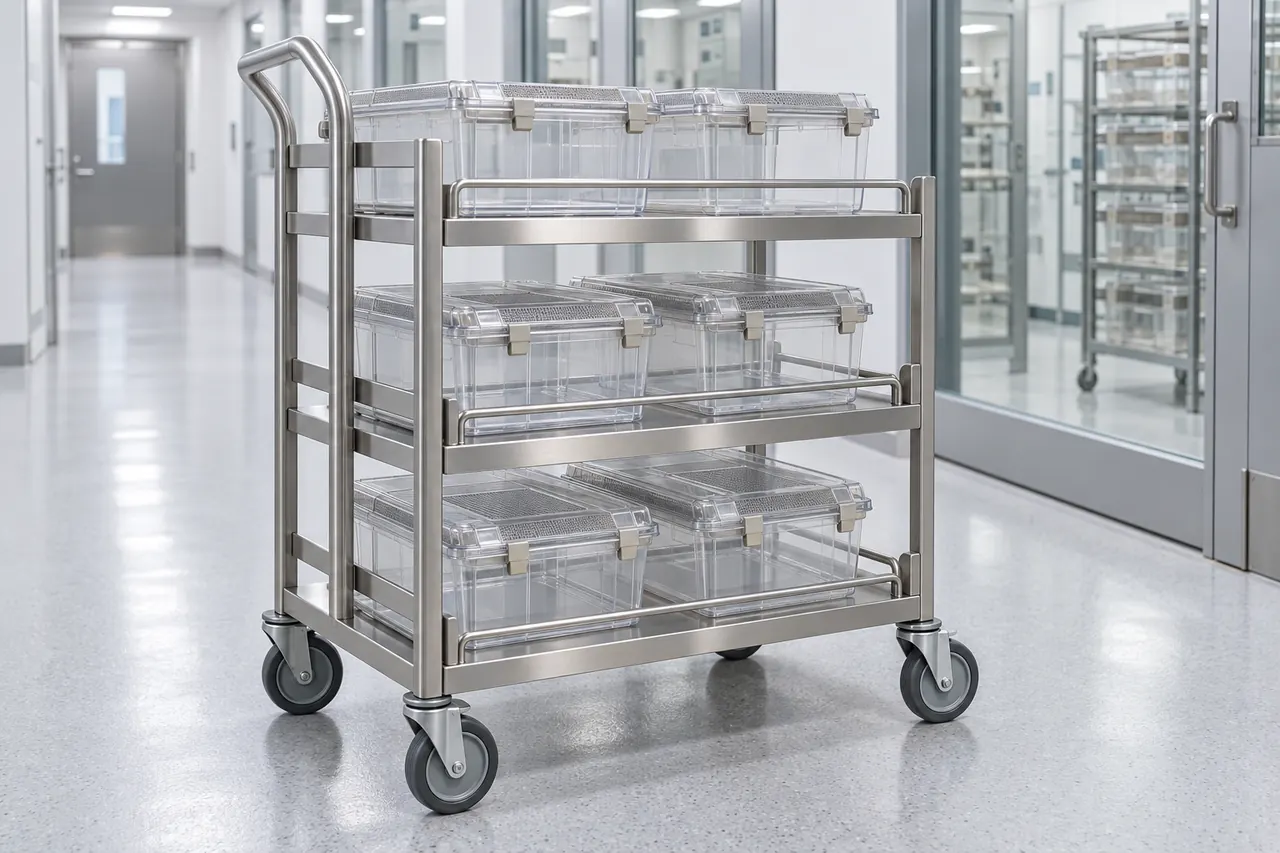
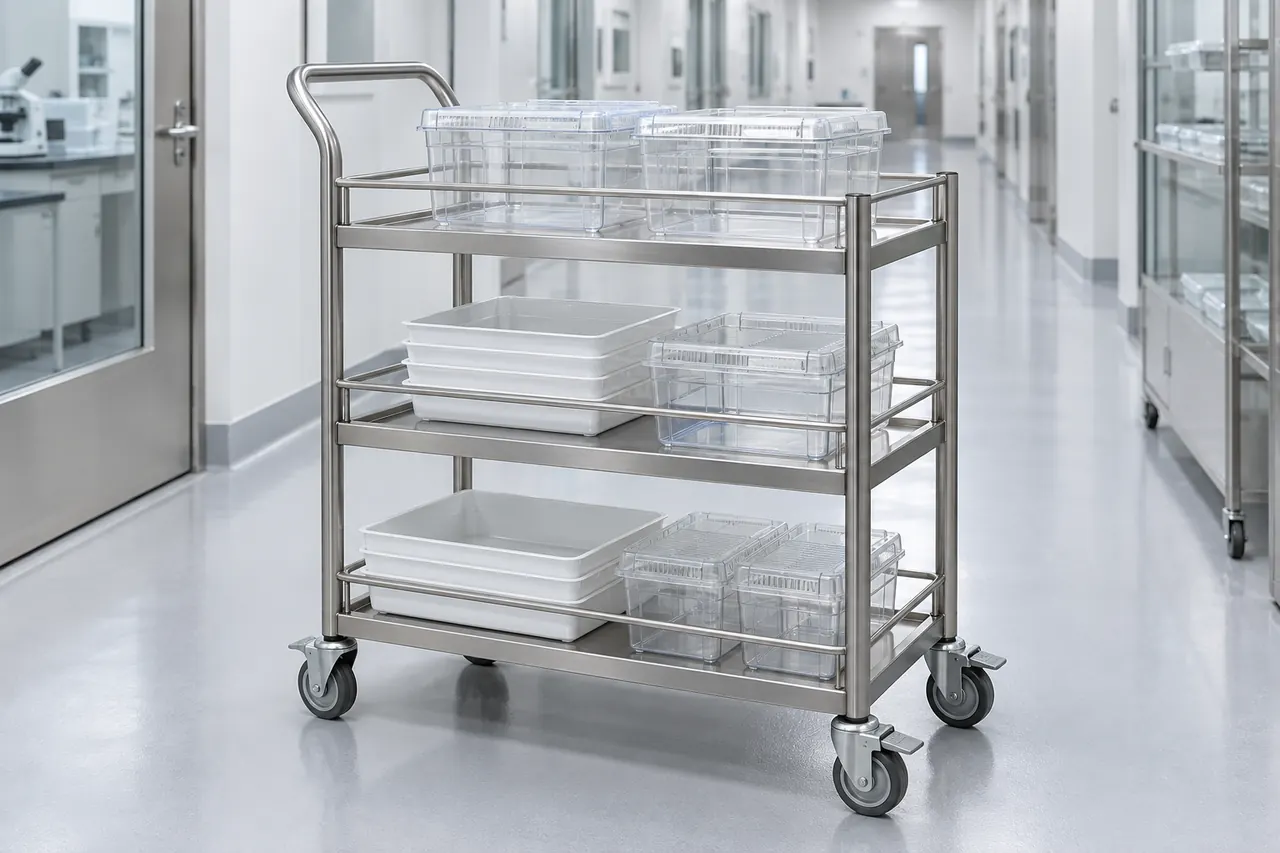
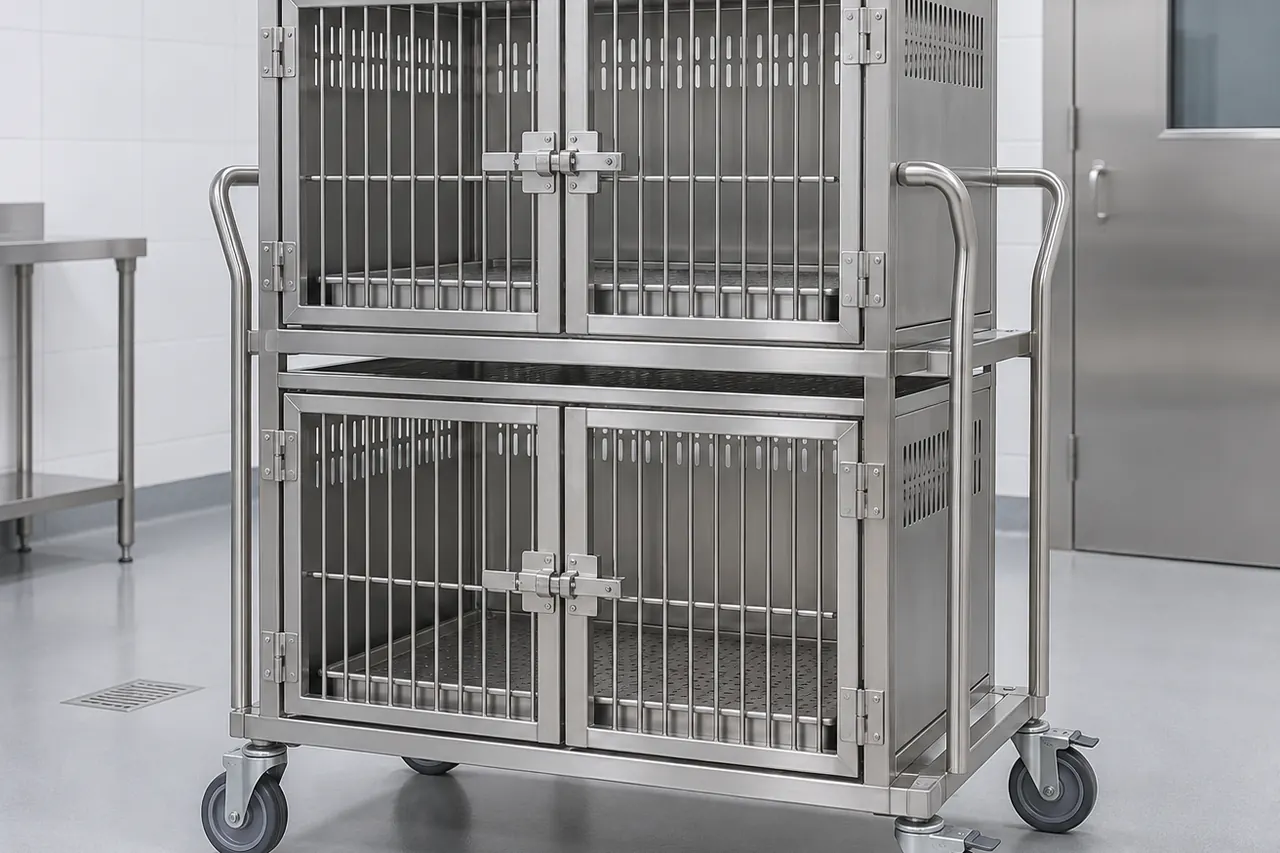
A cage change station is a primary-barrier workstation used for selected animal-transfer and cage-changing procedures. It is not an animal transport cage and should not be assumed equivalent to every biological safety cabinet or laminar-flow product without reviewing the required containment or product-protection objective.

Configuration basis

Use context
localized work zone for opening cages and transferring animals or components during cage-changing tasks
Equipment family
Animal Transfer Stations
Final configuration
Dimensions, utilities, and options are confirmed for the project.

Facility fit and configuration

Plan the product around the room and daily routine

Separate routine use from configuration decisions, then send the remaining room and purchasing details.

Use scenarios

Where the equipment fits

  • 1Routine rodent cage changing within an approved animal-care procedure
  • 2Localized cage-opening work where a defined primary barrier is required
  • 3Room upgrades replacing unsuitable transfer surfaces or aging stations
  • 4Mobile or fixed work points coordinated with racks, clean cages, and waste handling

Configuration review

What changes the setup

  • Define animals, procedures, agents, allergens, hazards, and the intended protection objective.
  • Measure cage bodies, lids, transfer containers, and simultaneous clean and soiled items.
  • Review work opening, sash or access, operator reach, posture, visibility, lighting, and noise.
  • Map clean supply, animal transfer, soiled cage, bedding, waste, and disinfection movements.
  • Coordinate station placement with doors, room airflow, traffic, racks, power, and service access.

RFQ details

Complete the project brief

For an Animal Cage Change Station review, send the institutional hazard and task description, cage set, work volume, protection objective, operator and room layout, material flow, cleaning method, utilities, and verification requirements. The final workstation type must be selected with the facility safety and animal-care teams.

  • Animal species, cage formats, procedures, and work volume
  • Biological, chemical, allergen, and other hazard assessment
  • Required personnel, animal, or product protection objective
  • Work opening, operator dimensions, and ergonomic constraints
Request a quote

Several related configurations can be reviewed under this product family. Final configuration, dimensions, utilities, and delivery scope are set during the quote and order process.

Buyer FAQ

Questions about Animal Cage Change Station

Quick answers for room planning, product comparison, and quotation preparation.

Animal Cage Change Station: is it the same as a biological safety cabinet?

No equivalence should be assumed. Workstations can have different intended functions and protection characteristics. Select the equipment from the procedure, hazard assessment, required protection objective, and institutional safety review.

Animal Cage Change Station: how large should the work area be?

Size the work zone from the largest cage and lid, transfer container, clean and soiled items present at once, operator reach, transfer technique, waste handling, and required airflow boundary.

Animal Cage Change Station: where should it be placed?

Review doors, traffic, supply and return air, nearby racks, power, clean-cage staging, soiled removal, service access, and cleaning. Final placement should follow the station instructions and facility assessment.

Animal Cage Change Station: what verification should be requested?

State the applicable performance tests, commissioning records, field conditions, test frequency, responsible party, pass or fail limits, and response to failed results according to the selected equipment and local program.

Animal Cage Change Station: what affects operator usability?

Work opening, sash, reach, work-surface height, legroom, visibility, lighting, noise, control location, cage and waste placement, cleaning access, and the duration and frequency of the task all matter.

Related resources

Go deeper with planning resources for Animal Cage Change Station

FAQ

FAQ library

Animal Cage Change Station: is it the same as a biological safety cabinet?

No equivalence should be assumed. Workstations can have different intended functions and protection characteristics. Select the equipment from the procedure, hazard assessment, required protection objective, and institutional safety review.

Animal Cage Change Station: how large should the work area be?

Size the work zone from the largest cage and lid, transfer container, clean and soiled items present at once, operator reach, transfer technique, waste handling, and required airflow boundary.

Animal Cage Change Station: where should it be placed?

Review doors, traffic, supply and return air, nearby racks, power, clean-cage staging, soiled removal, service access, and cleaning. Final placement should follow the station instructions and facility assessment.

Guides

Buyer guides

Animal Cage Change Station task-and-hazard worksheet

Describe animals, cages, procedures, agents, allergens, hazards, work volume, and the intended protection objective before choosing a station type.

Animal Cage Change Station ergonomic layout guide

Arrange cage, lid, transfer container, clean supply, waste, controls, reach, visibility, posture, and work opening around the actual task.

Animal Cage Change Station commissioning checklist

Define delivery inspection, installation, field tests, pass or fail limits, training, cleaning, maintenance, filter service, and recurring verification.

Solutions

Solution references

Animal Cage Change Station for a new rodent room

Coordinate station quantity and location with rack rows, cage-change schedule, clean supplies, soiled removal, doors, traffic, and room air.

Animal Cage Change Station for mobile cage changing

Review casters, brakes, thresholds, cable management, parking, movement route, field performance after relocation, and cleaning access.

Animal Cage Change Station for containment review

Match procedure and hazard assessment to the required protection objective, equipment type, room relationship, work practice, testing, and response plan.