HE
Growth with care
Equipment choices should support consistent care routines and the changing needs of the facility.
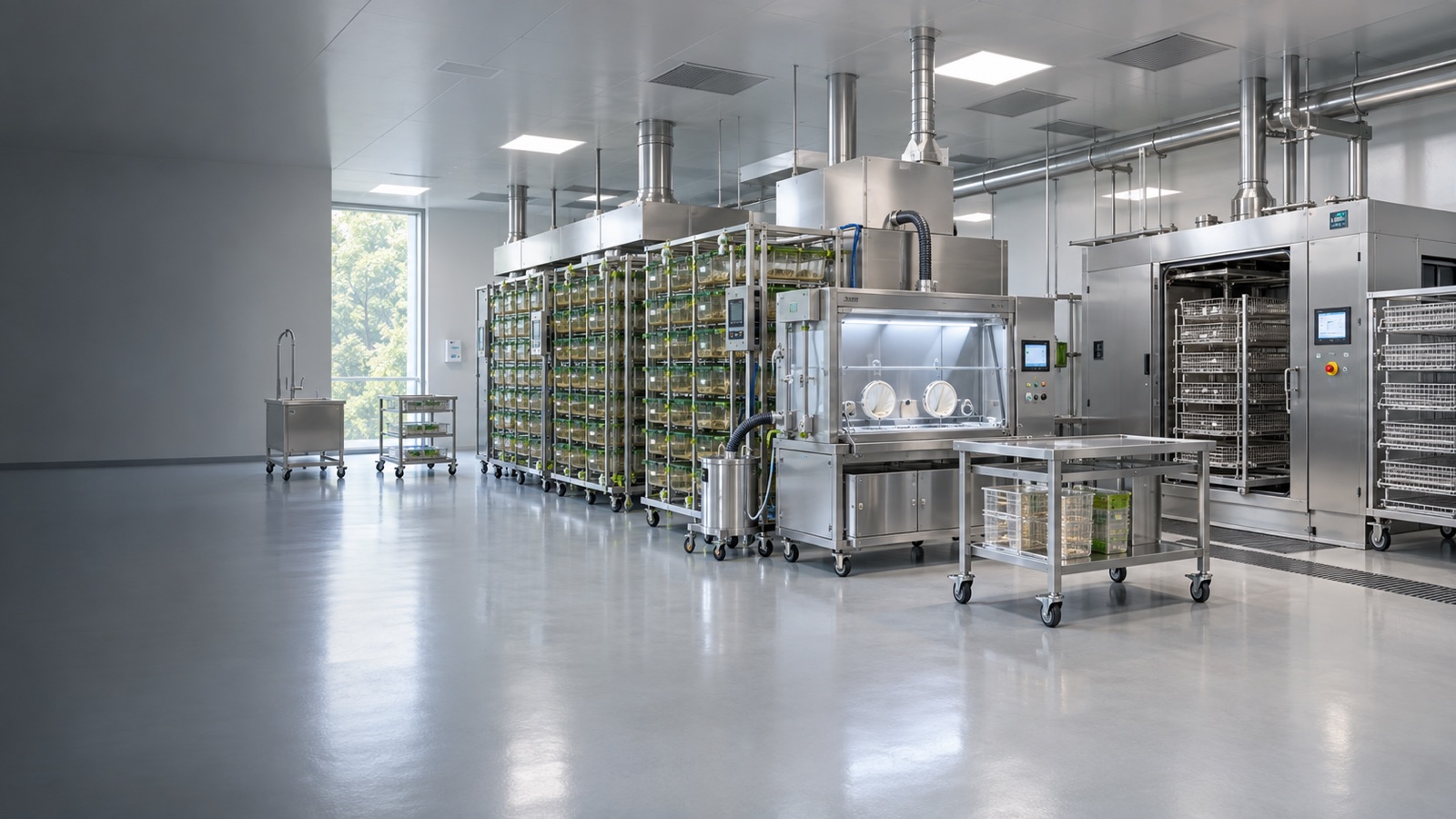
Laboratory animal equipment
Equipment planning support for housing, cage processing, clean-air transfer and procedure-room workflows.
We support equipment selection for animal housing, cage processing, clean-air transfer and procedure-room applications.
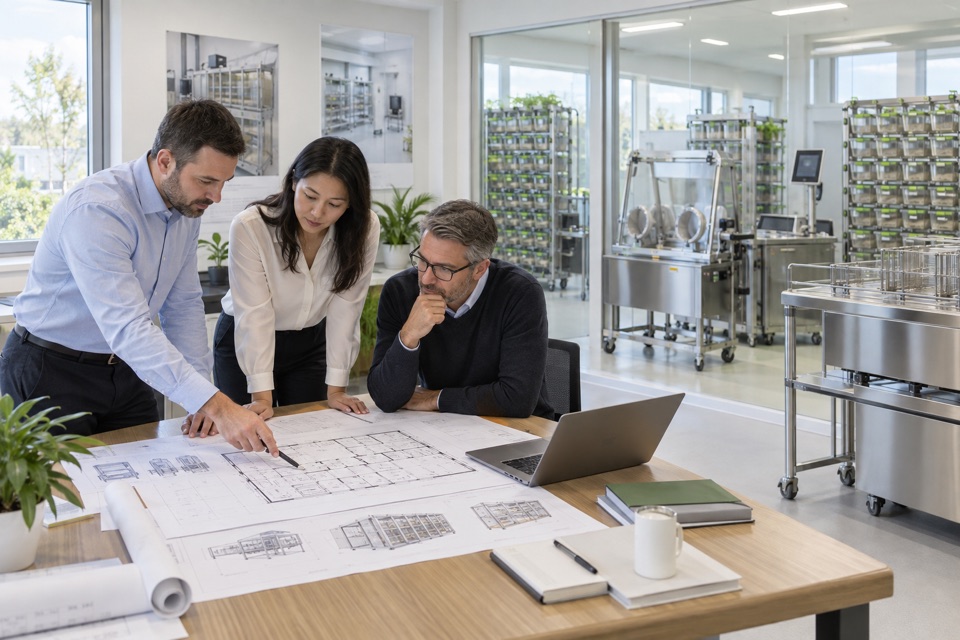
Company introduction
HEMU Vivarium is the laboratory animal equipment brand of Shanghai Hemu Intelligent Technology Co., Ltd.. We support procurement teams, facility planners and laboratory operators as they compare equipment for animal housing, cage processing, clean-air transfer and procedure-room workflows.
Our equipment range is organized around the connected work of a vivarium: how animals are housed and transferred, how cages and bottles move through cleaning, how utilities reach each room and how staff access equipment for routine operation and service.
Share the species, room purpose, workflow and available utilities so equipment dimensions, connections and documentation can be matched to your project.
The meaning of HEMU
HEMU is formed from two Chinese characters with a simple, practical meaning.
He represents growth, order and careful cultivation. Mu represents roots, structure and dependable support. Together, they describe how we approach vivarium equipment: support welfare, organize the workflow and build each decision on clear project conditions.
Equipment choices should support consistent care routines and the changing needs of the facility.
Room layouts, utilities, access and equipment interfaces form the structure behind reliable daily work.
Housing, processing, transfer and procedure support are considered as parts of one operating environment.
How we support your project
Tell us about the species, room functions, daily routines and available utilities.
Compare capacity, footprint, service access, transfer paths and utility connections for each room.
Share quantities, room layouts, destination and documentation needs for a more accurate quotation.
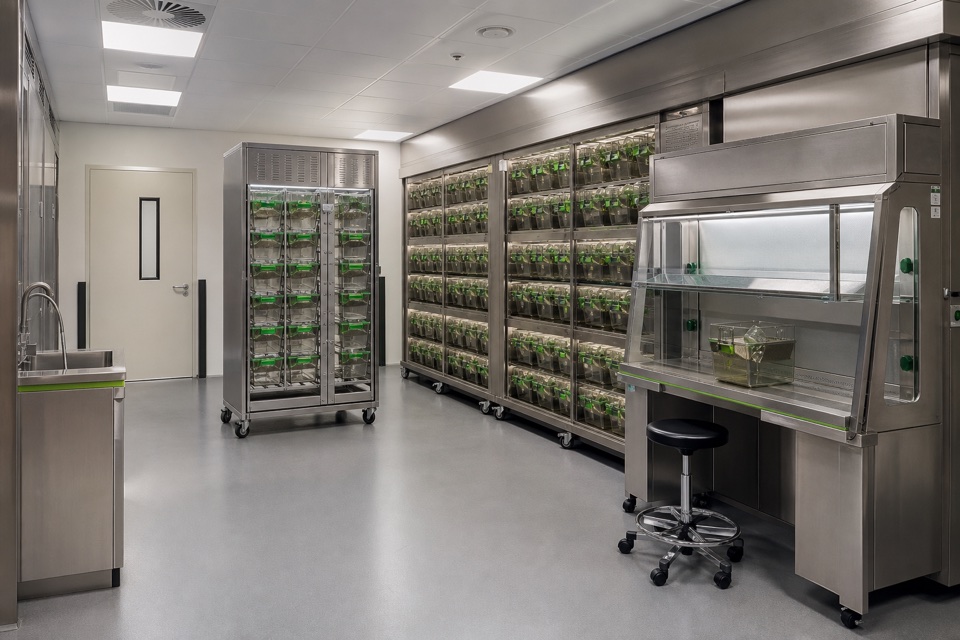
Compare rack format, transfer position, circulation space, utilities and daily access as one connected housing workflow.
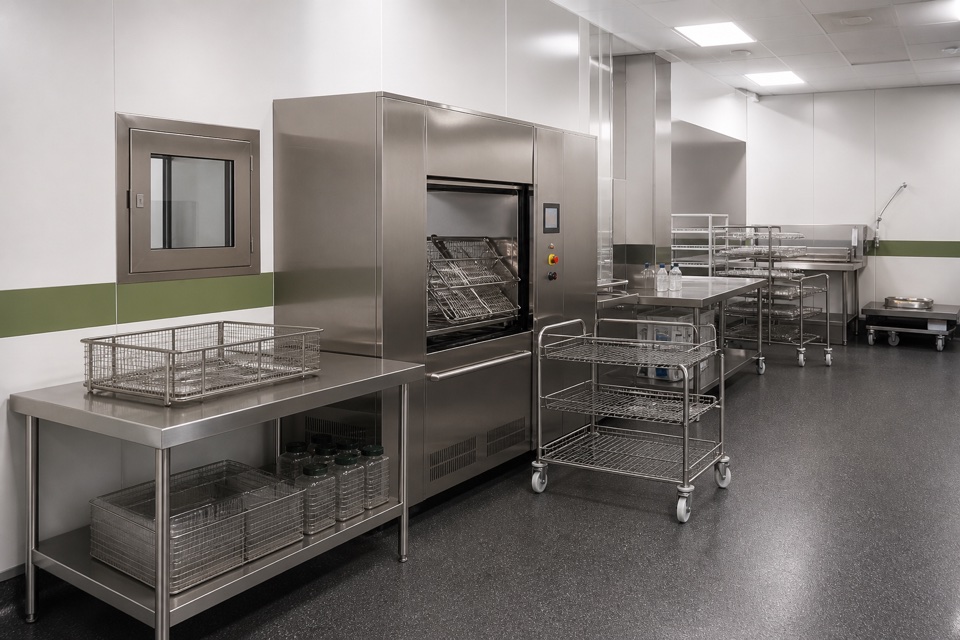
Washer access, staging areas, transport carts, bottle handling and dirty-to-clean movement all affect equipment placement.
Manufacturing capability
These workshop processes support cutting, punching and forming of sheet-metal parts used in equipment panels, frames and related assemblies. Share part drawings, material preferences, dimensions, finish and assembly needs for quotation.
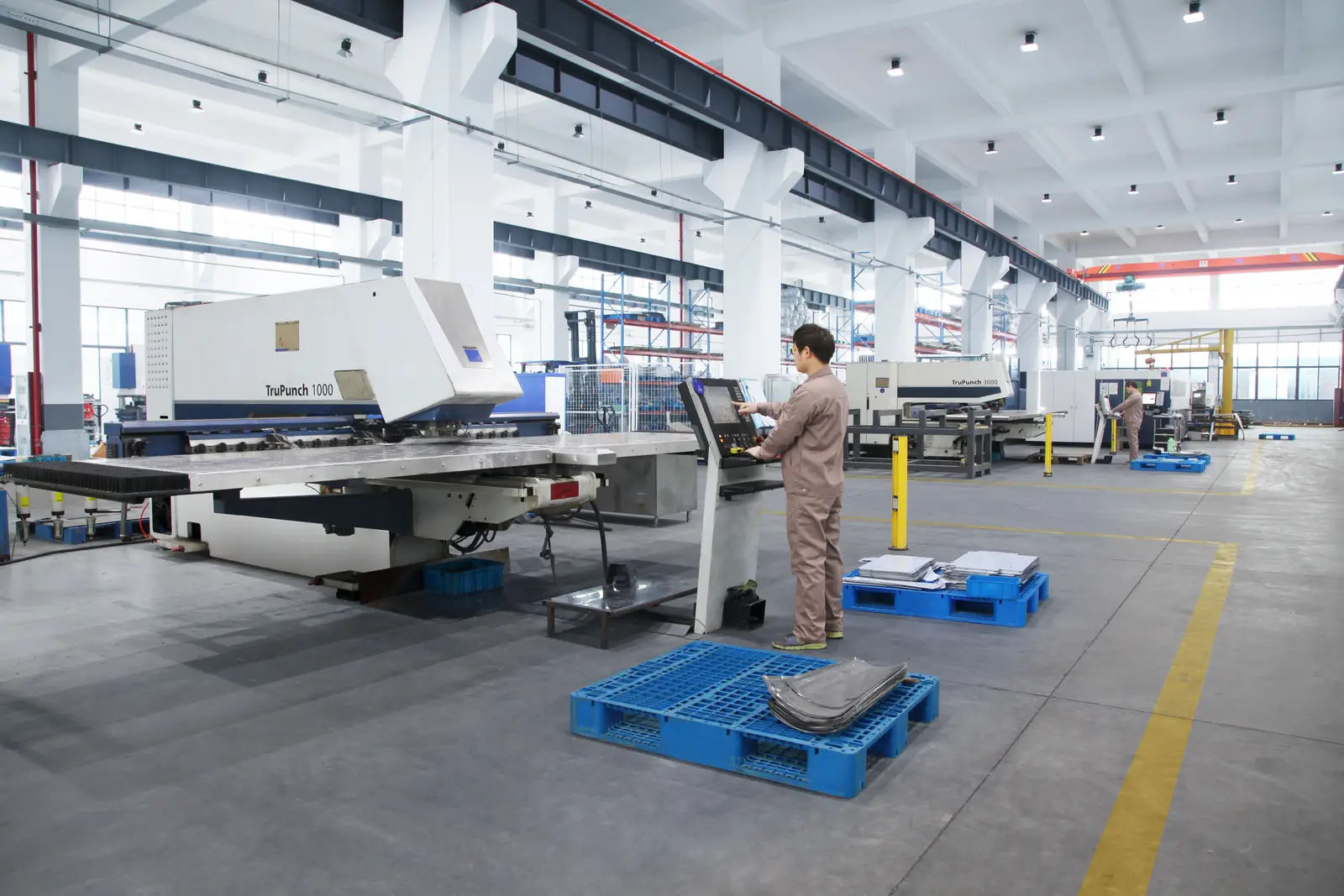
CNC punching supports the production of sheet-metal panels, frames and related components.
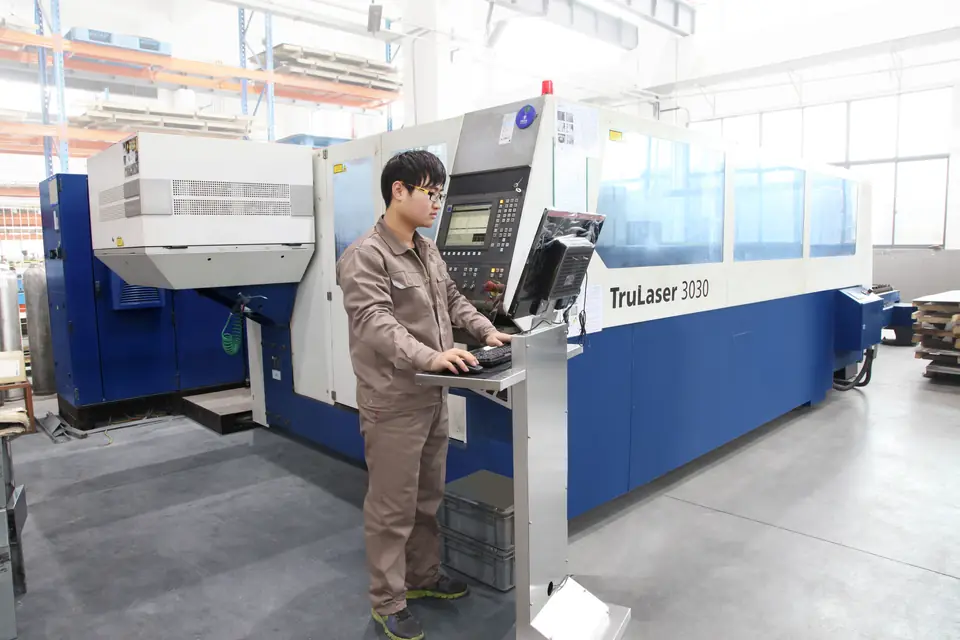
Laser cutting prepares sheet-metal profiles for equipment panels, frames and related assemblies.
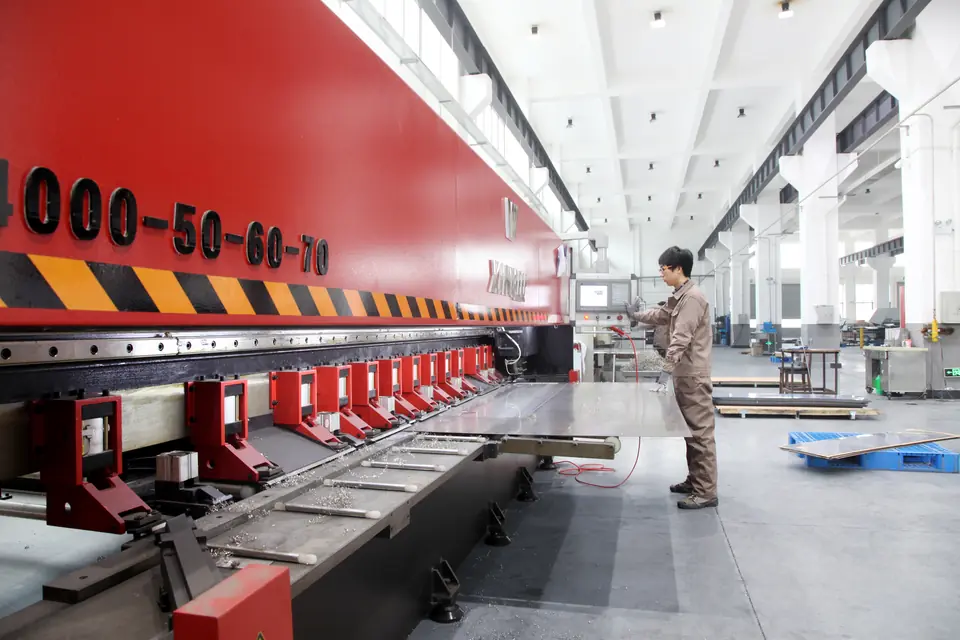
Bending and forming create the angles and profiles required for equipment assembly.
Browse the directory by operating area, then open each category to compare products and prepare a more focused request.
Planning a vivarium project?
Share species, room layout, equipment families, quantities, available utilities, destination country and documentation requirements.