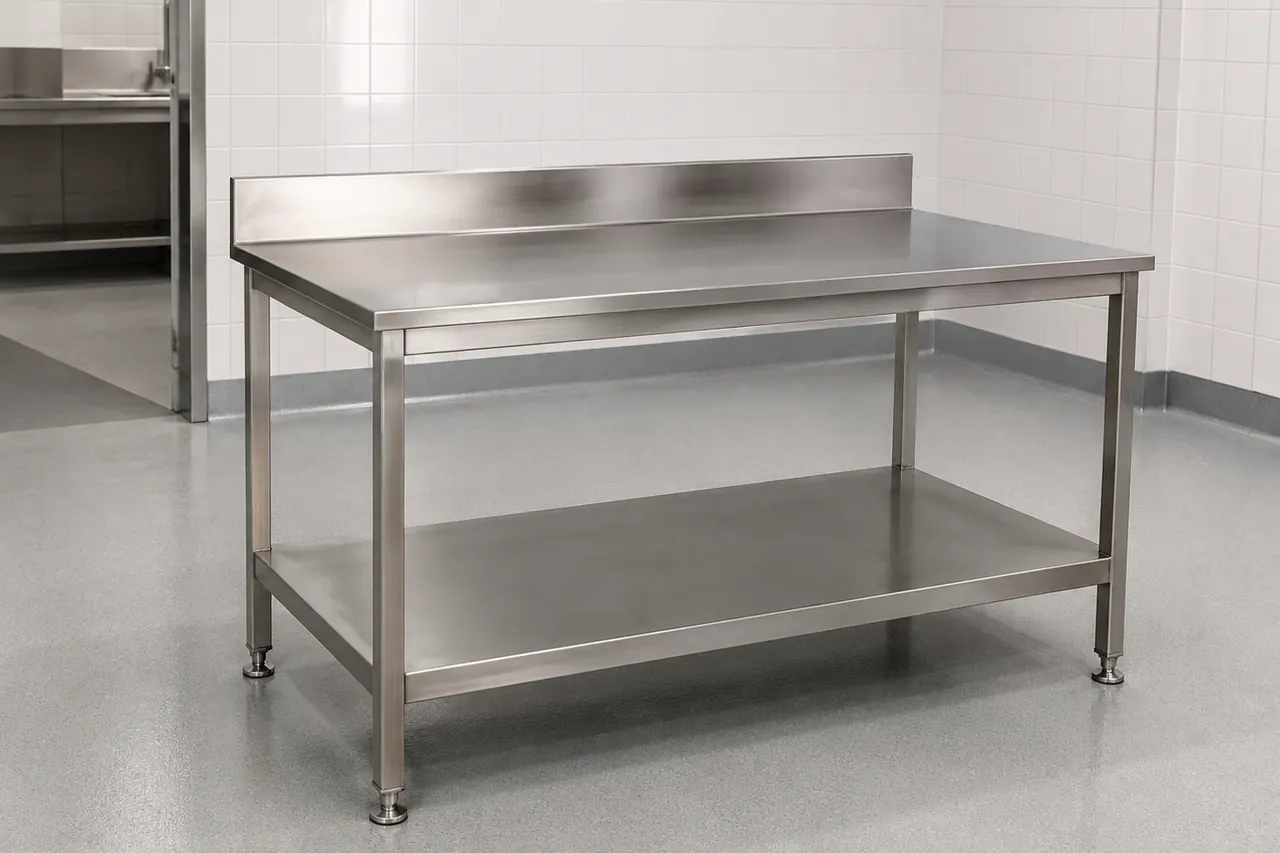
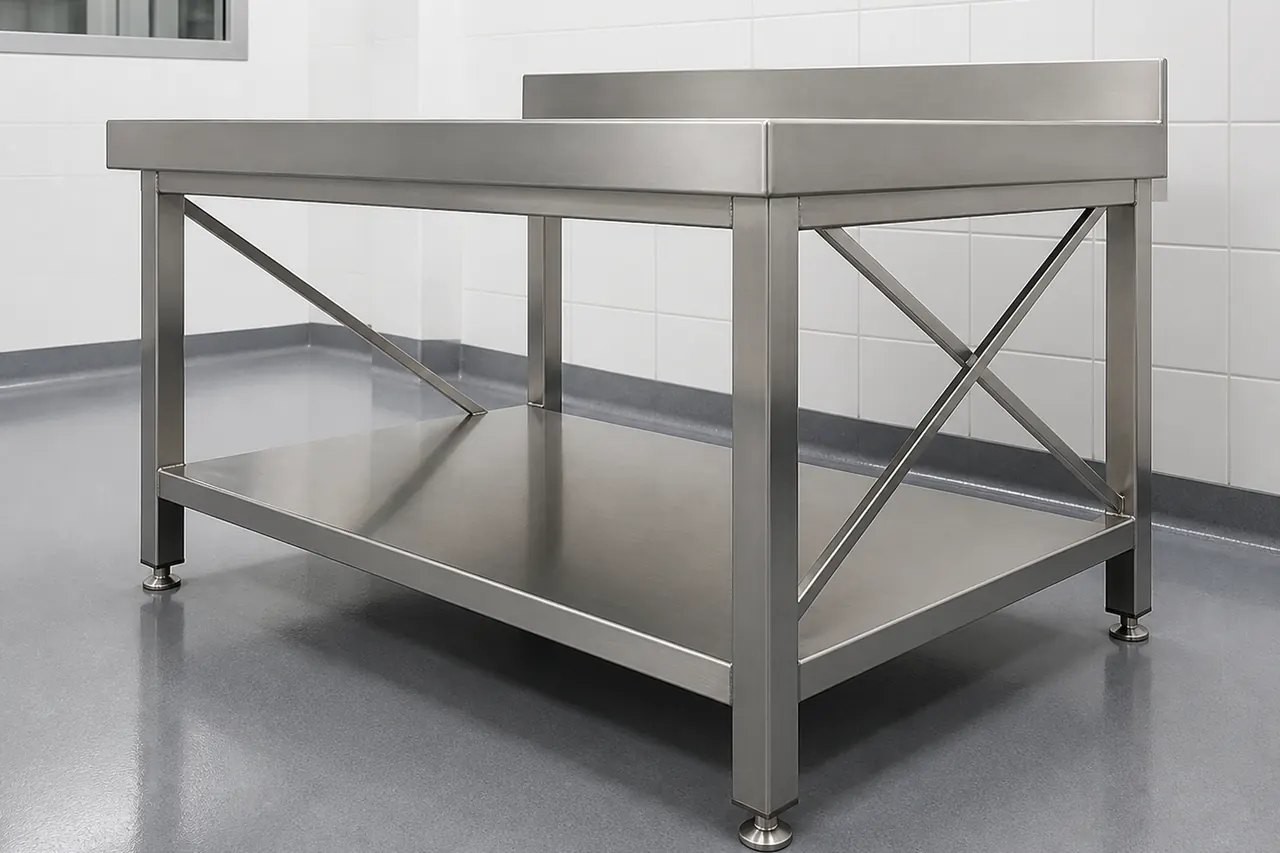
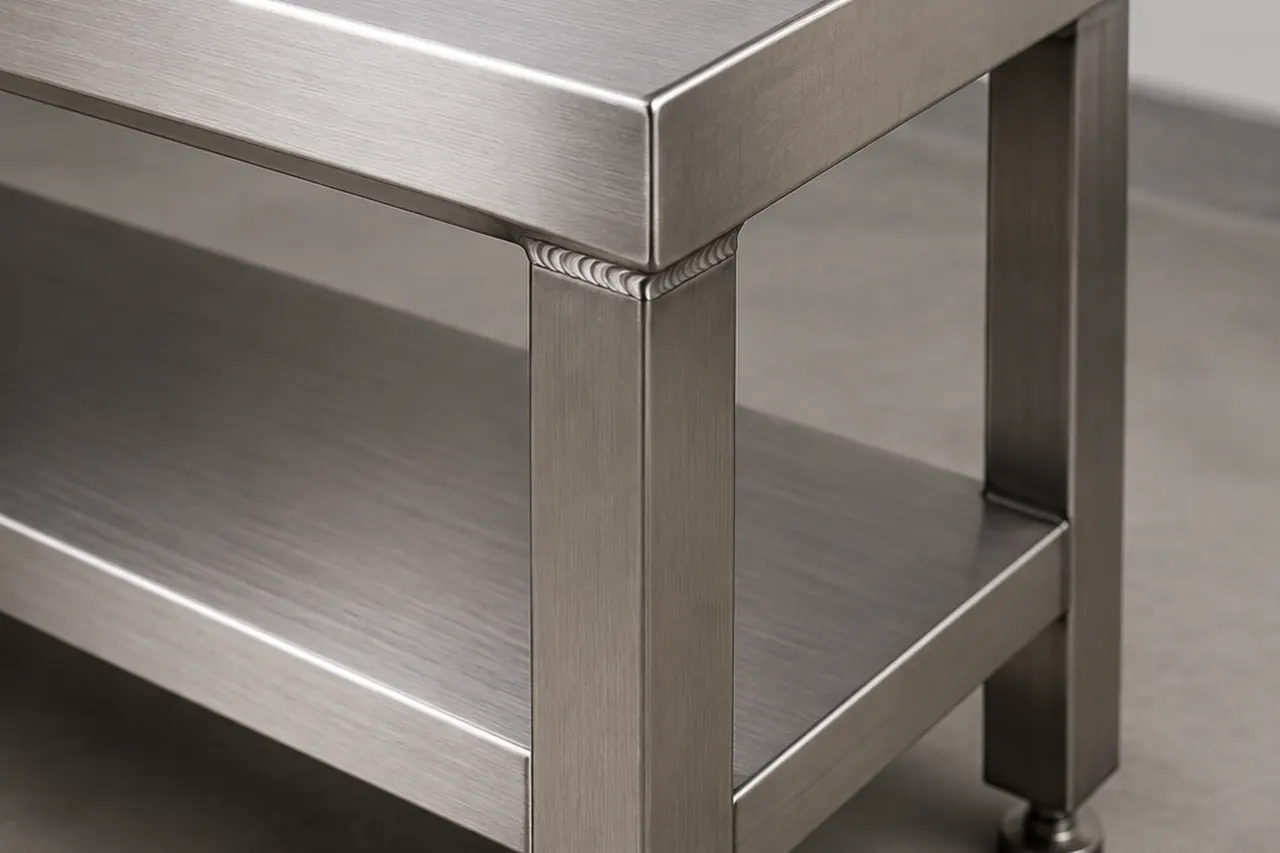
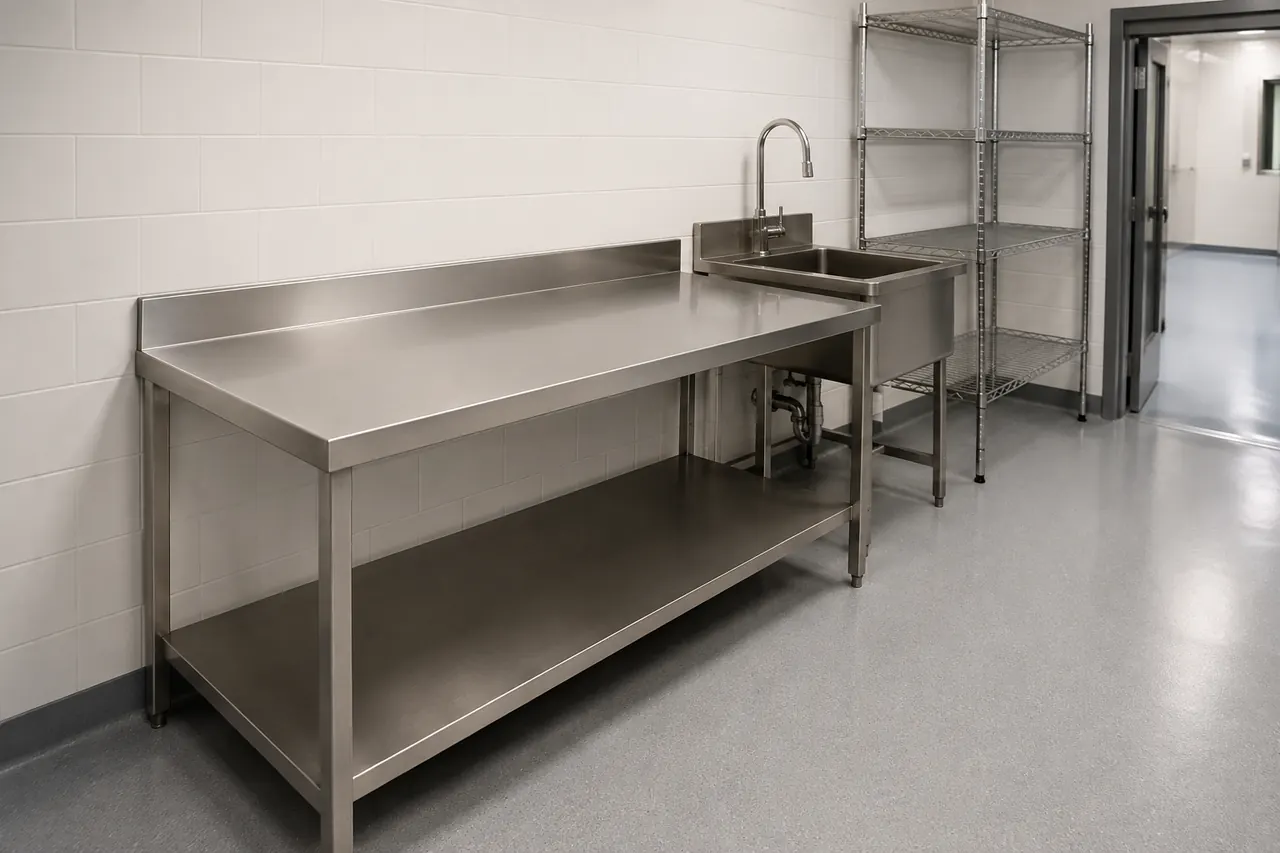
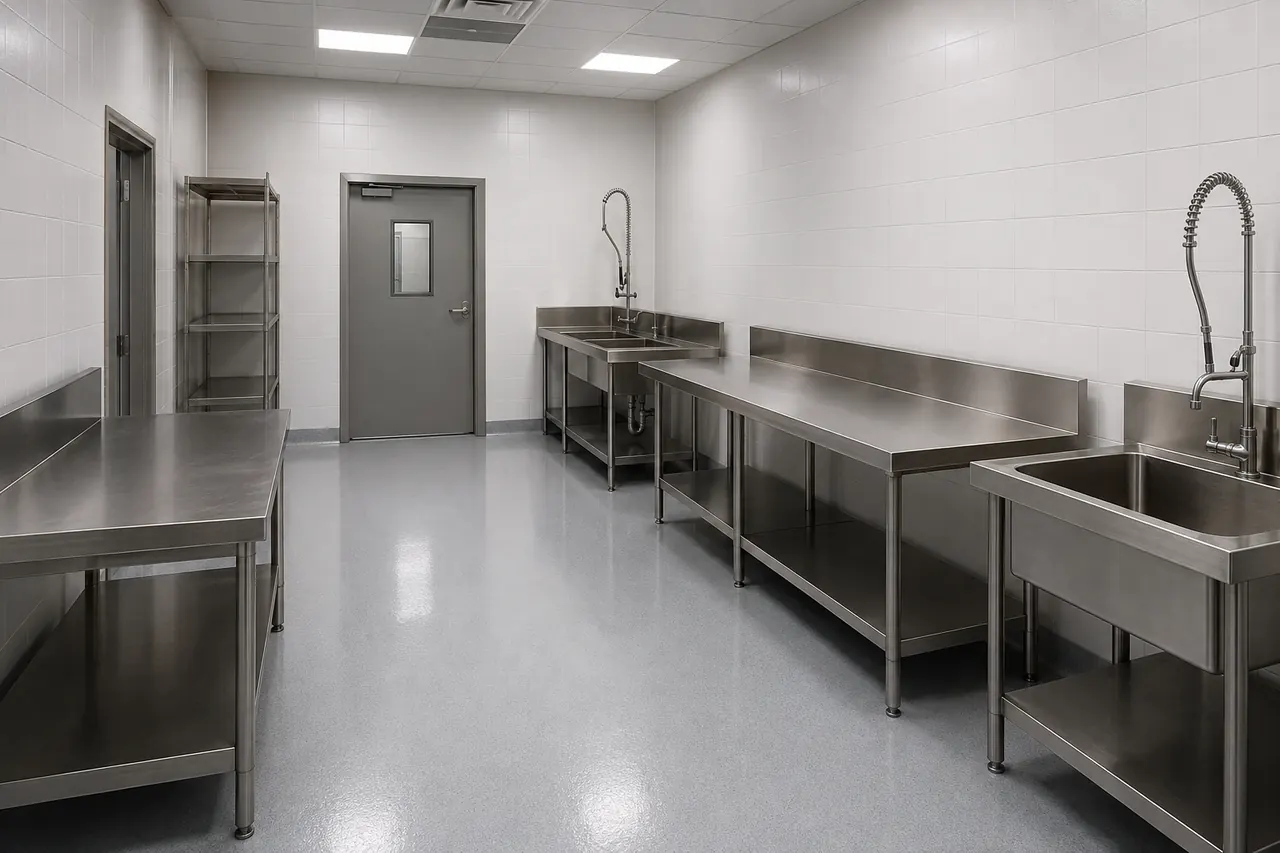
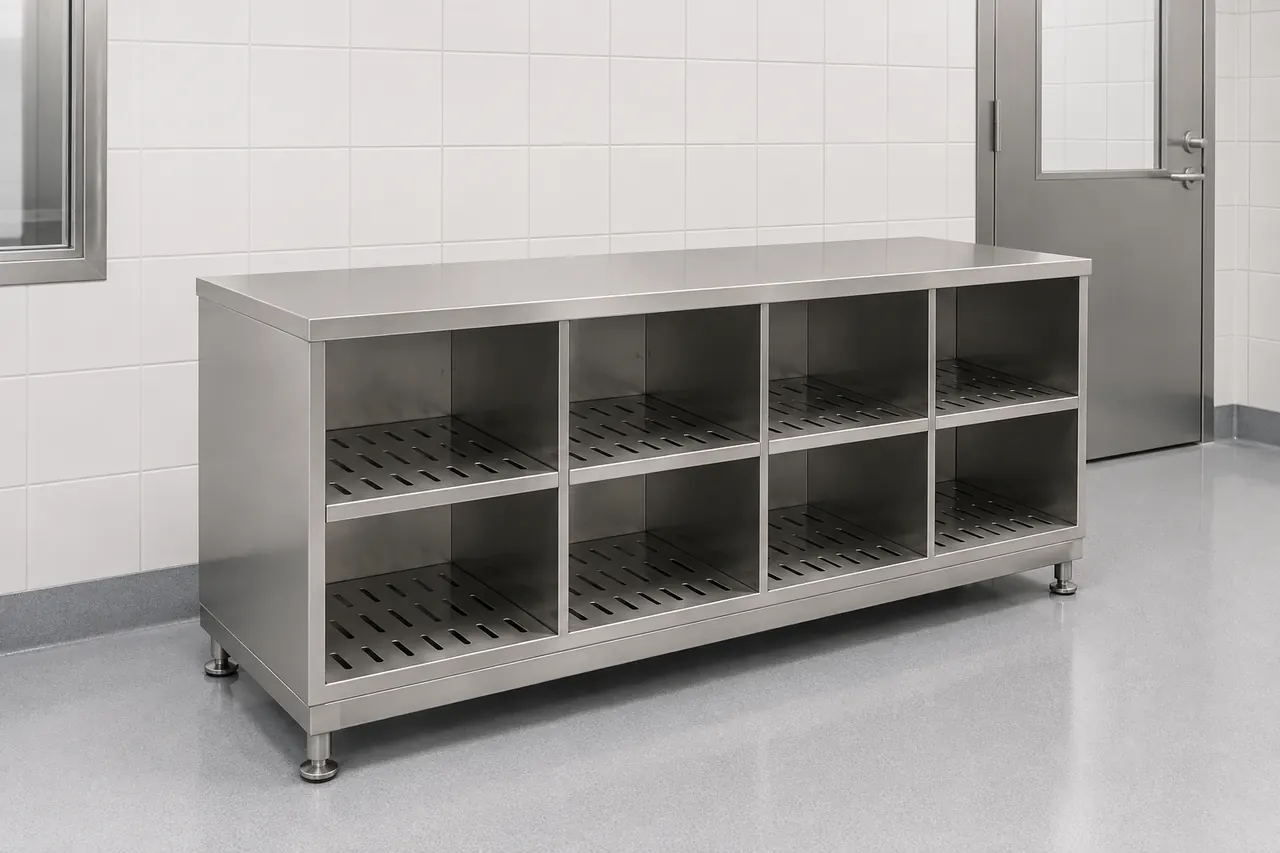
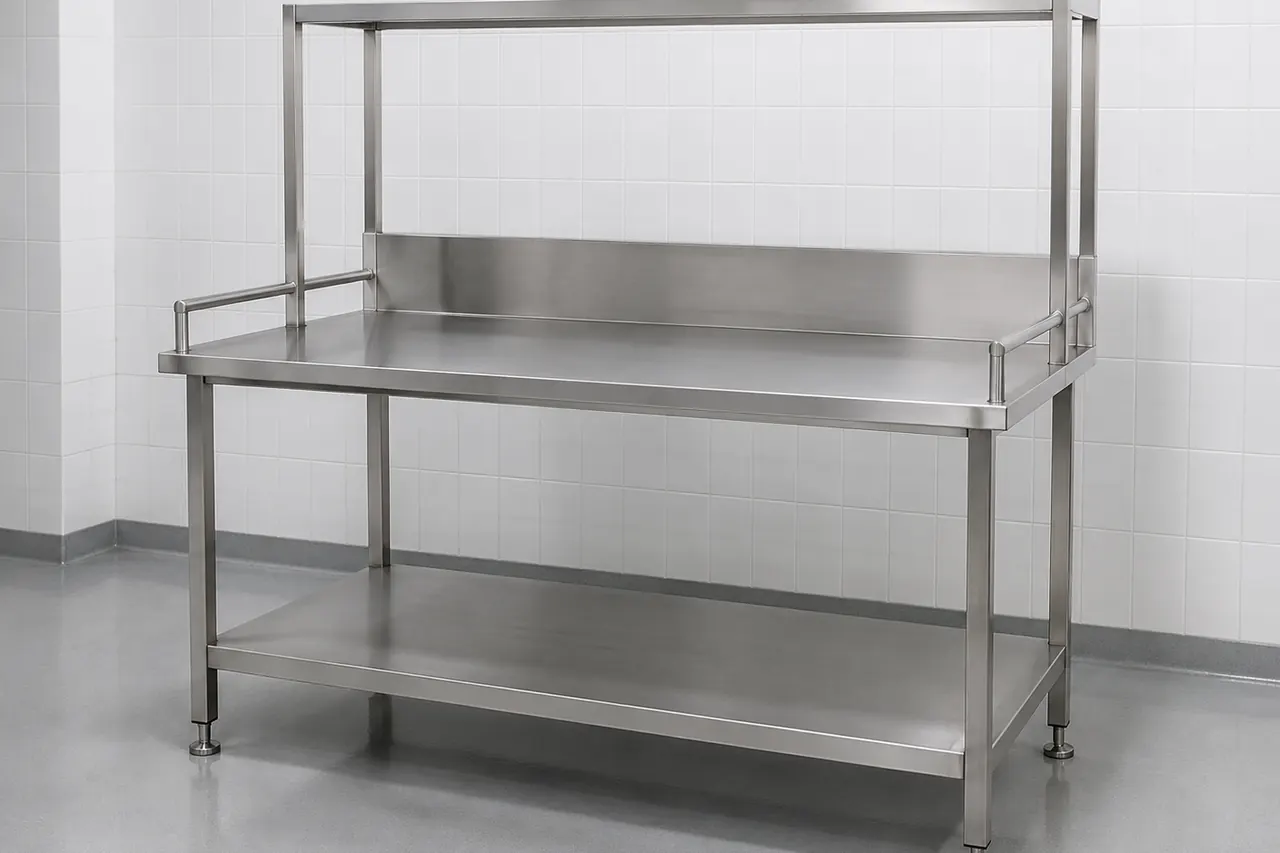
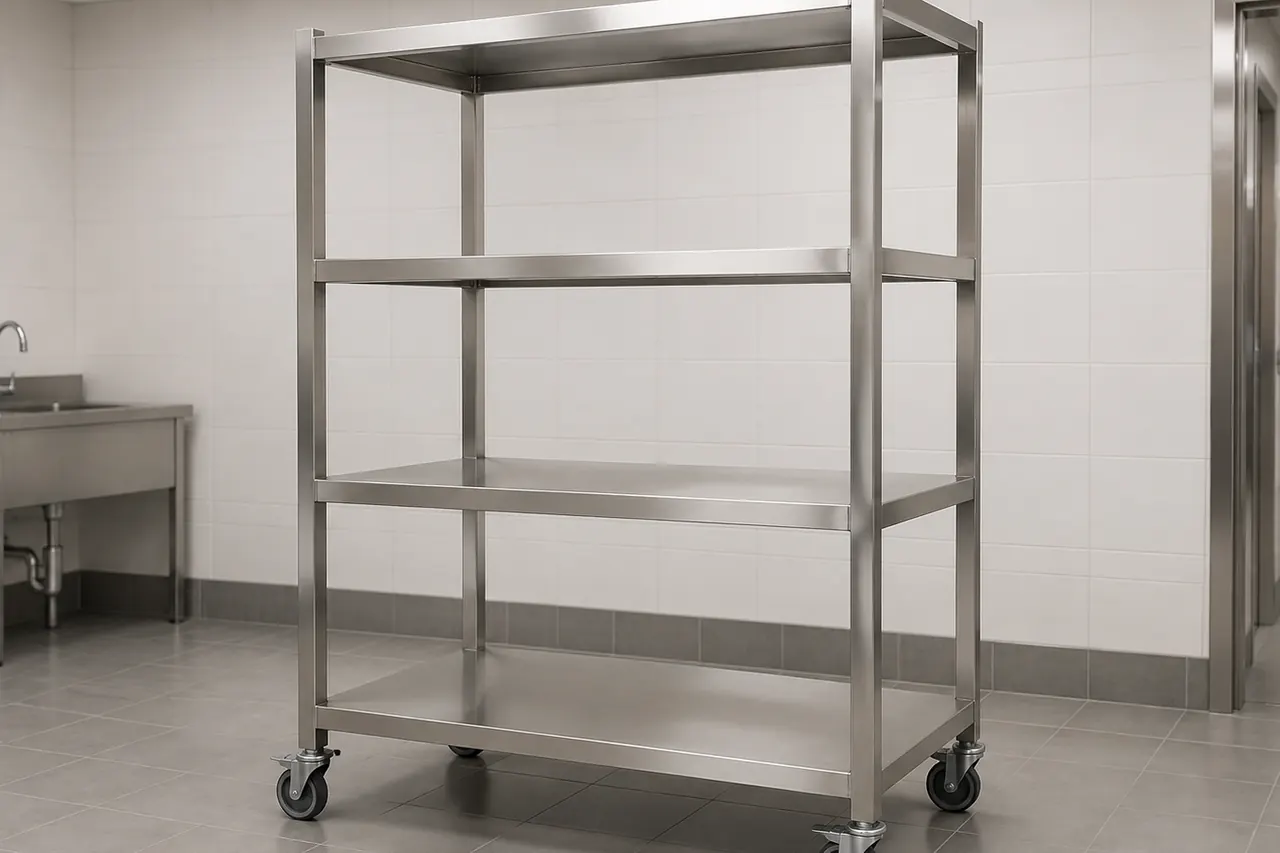
Stainless Steel Workbench complete product overview

Stainless Steel Laboratory Furniture

Stainless Steel Workbench

Stainless Steel Workbench is selected as a task surface, not as a generic stainless item.

Room fitfixed or mobile work surface planning for preparation, inspection, handling, and support tasksProduct overview

Product overview

What this equipment is used for

A stainless steel workbench provides a cleanable support surface for defined vivarium or laboratory tasks. Worktop geometry, frame and bracing, storage or open knee space, casters or leveling feet, splash control, utilities, and room circulation should follow the task analysis.

Configuration basis

Use context
fixed or mobile work surface planning for preparation, inspection, handling, and support tasks
Equipment family
Stainless Steel Laboratory Furniture
Final configuration
Dimensions, utilities, and options are confirmed for the project.

Facility fit and configuration

Plan the product around the room and daily routine

Separate routine use from configuration decisions, then send the remaining room and purchasing details.

Use scenarios

Where the equipment fits

  • 1Supply preparation, inspection, sorting, or packing in support rooms
  • 2Mobile work surfaces positioned near changing, washing, or procedure areas
  • 3Fixed benches carrying small equipment with known loads and utility needs
  • 4Replacement furniture where existing dimensions or cleanability limit work

Configuration review

What changes the setup

  • Describe the task sequence, users, posture, reach, and items placed on the worktop.
  • State the distributed and point loads, vibration sensitivity, and equipment footprints.
  • Choose open frame, shelving, drawers, cabinets, or knee space according to access needs.
  • Confirm backsplash, raised edges, sinks, cutouts, sockets, or service penetrations.
  • Decide between leveling feet and casters and identify movement and brake requirements.

RFQ details

Complete the project brief

For a Stainless Steel Workbench quote, send the room layout, task and user description, load map, size limits, storage and knee-space needs, mobility, utility openings, and cleaning method. Request drawings that show the worktop, frame, supports, accessories, clearances, and included installation scope.

  • Room drawing and intended task sequence
  • Overall size limits, working height, posture, and reach expectations
  • Equipment footprints, point loads, and distributed load
  • Worktop edges, backsplash, sink, cutout, or utility openings
Request a quote

Several related configurations can be reviewed under this product family. Final configuration, dimensions, utilities, and delivery scope are set during the quote and order process.

Buyer FAQ

Questions about Stainless Steel Workbench

Quick answers for room planning, product comparison, and quotation preparation.

Stainless Steel Workbench: how is it different from an equipment stand?

A workbench supports a broader task surface and operator activity, while an equipment stand may support one defined item. Confirm worktop area, access, load distribution, storage, posture, and mobility before choosing the furniture type.

Stainless Steel Workbench: should it be fixed or mobile?

Use the room workflow to decide. A fixed bench may suit permanent utilities and stable equipment; a mobile bench may support changing layouts but needs caster, brake, threshold, cable, and cleaning review.

Stainless Steel Workbench: what load information is required?

Provide equipment weights and footprints, concentrated support points, distributed materials, dynamic or vibration effects, and whether users may lean on the surface. The final design must be confirmed for the stated load case.

Stainless Steel Workbench: when are backsplashes or raised edges useful?

They may help manage wall junctions, small spills, or item retention, but can also affect cleaning, reach, and equipment placement. Select edge details from the actual task and room finishes.

Stainless Steel Workbench: what should the supplier drawing show?

The drawing should show dimensions, working height, worktop and edge details, frame and bracing, feet or casters, storage, knee space, cutouts, utilities, load assumptions, and installation interfaces.

Related resources

Go deeper with planning resources for Stainless Steel Workbench

FAQ

FAQ library

Stainless Steel Workbench: how is it different from an equipment stand?

A workbench supports a broader task surface and operator activity, while an equipment stand may support one defined item. Confirm worktop area, access, load distribution, storage, posture, and mobility before choosing the furniture type.

Stainless Steel Workbench: should it be fixed or mobile?

Use the room workflow to decide. A fixed bench may suit permanent utilities and stable equipment; a mobile bench may support changing layouts but needs caster, brake, threshold, cable, and cleaning review.

Stainless Steel Workbench: what load information is required?

Provide equipment weights and footprints, concentrated support points, distributed materials, dynamic or vibration effects, and whether users may lean on the surface. The final design must be confirmed for the stated load case.

Guides

Buyer guides

Stainless Steel Workbench task-analysis guide

Translate the operator sequence, posture, reach, equipment, materials, and cleaning process into a work-surface layout.

Stainless Steel Workbench load and support worksheet

Record point loads, distributed loads, footprints, vibration concerns, frame support, floor condition, and anchoring or caster needs.

Stainless Steel Workbench drawing review checklist

Check dimensions, edges, backsplash, storage, knee space, utilities, base, clearances, cleaning access, and assembly scope.

Solutions

Solution references

Stainless Steel Workbench for mobile preparation tasks

Plan caster type, brakes, handles, thresholds, cable or hose control, parking position, and cleaning access around the moving task.

Stainless Steel Workbench for fixed equipment support

Coordinate the equipment footprint and load points with bracing, utilities, service access, wall clearances, and installation.

Stainless Steel Workbench for seated and standing work

Compare working height, knee clearance, reach zones, task duration, storage access, and room circulation for the intended users.