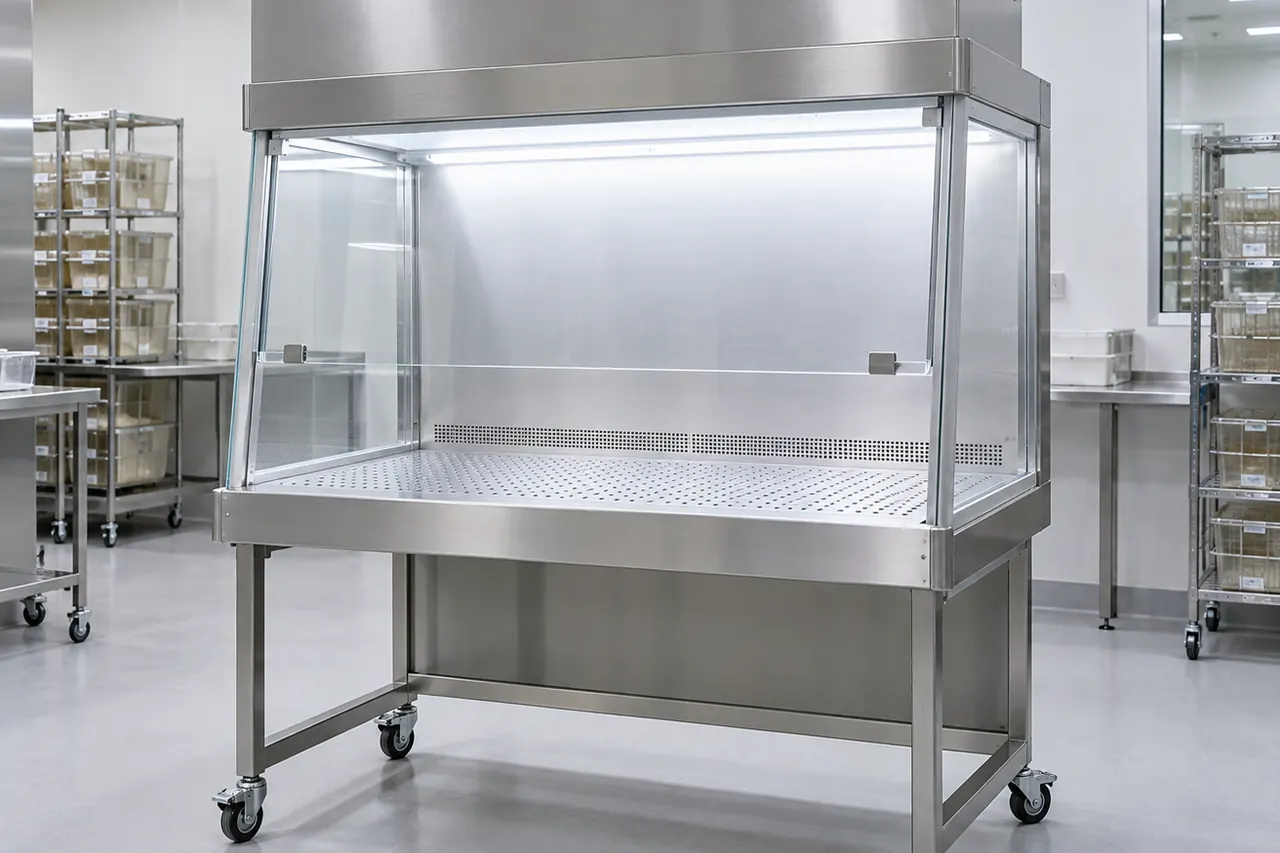
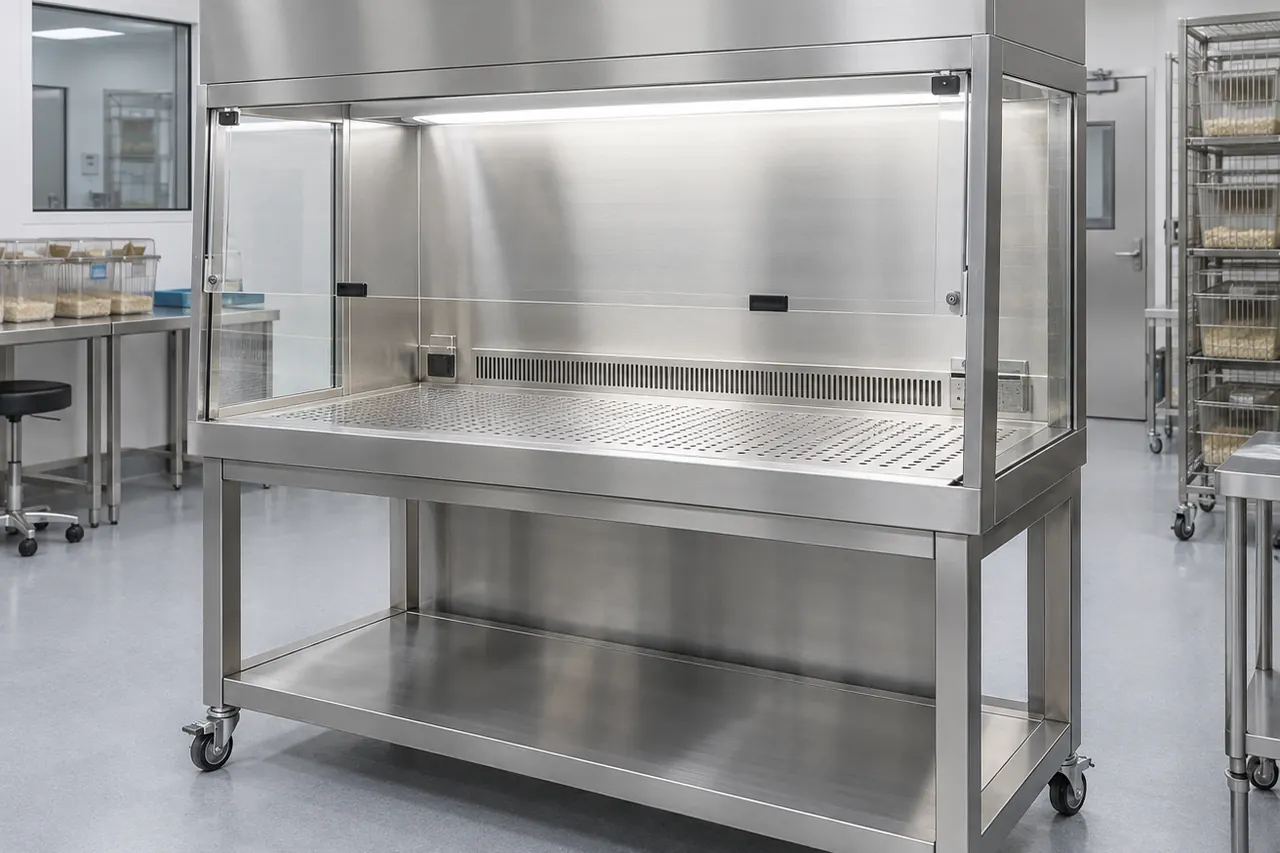
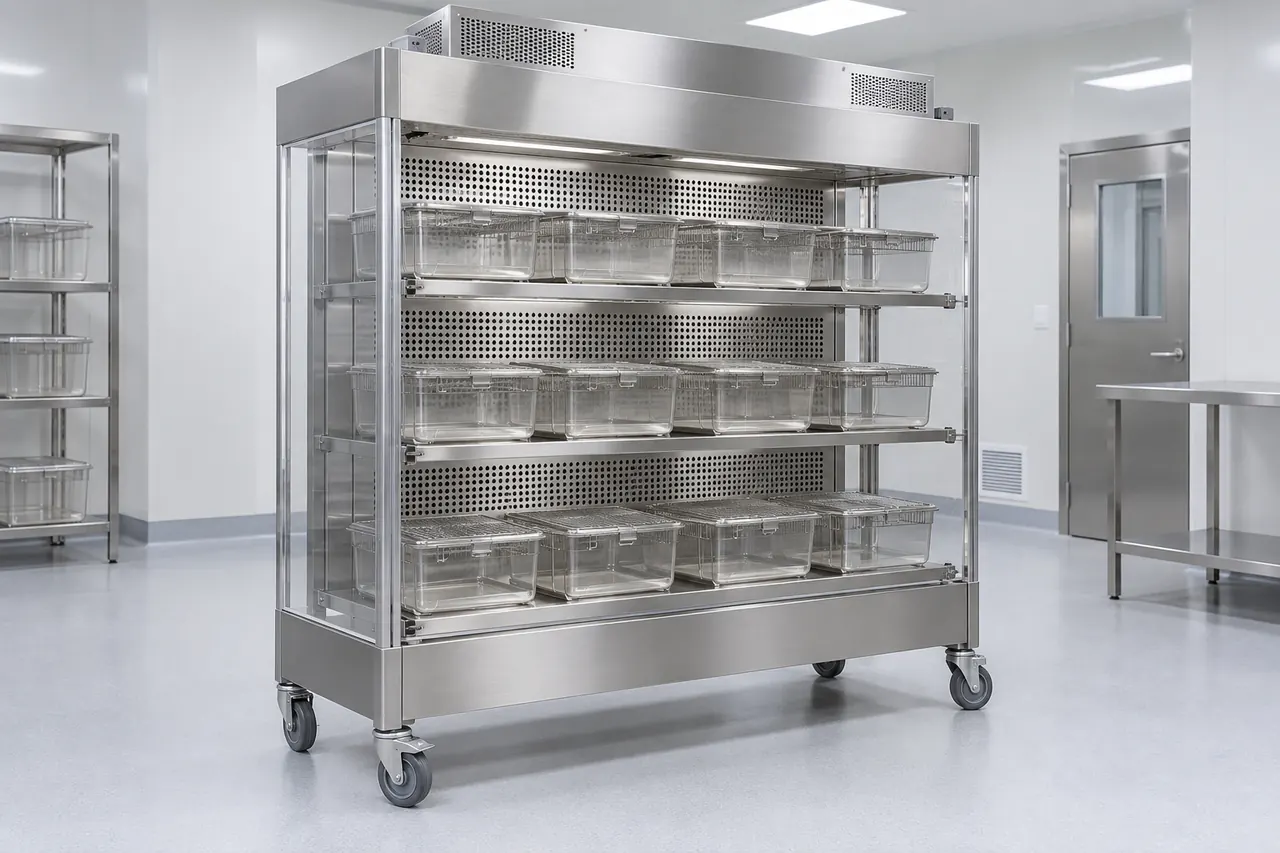
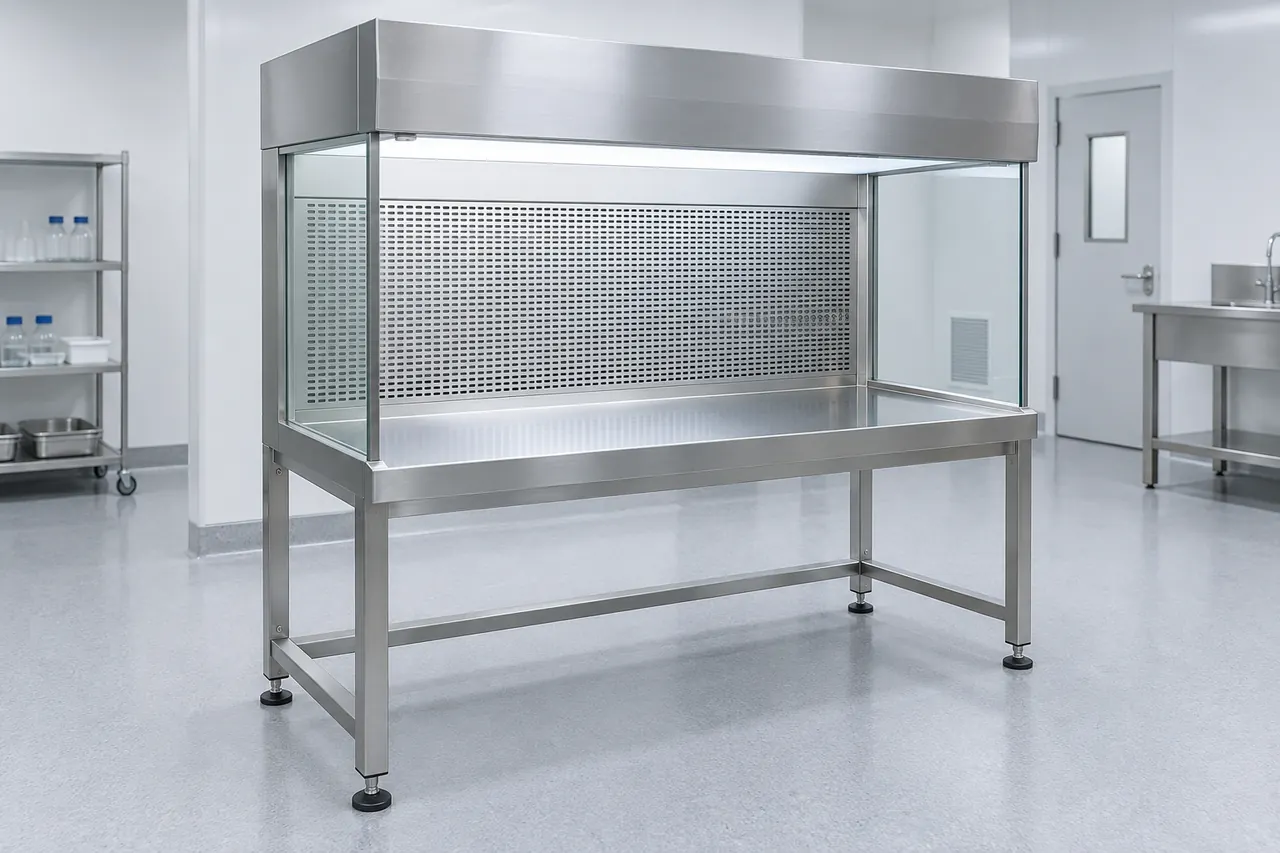
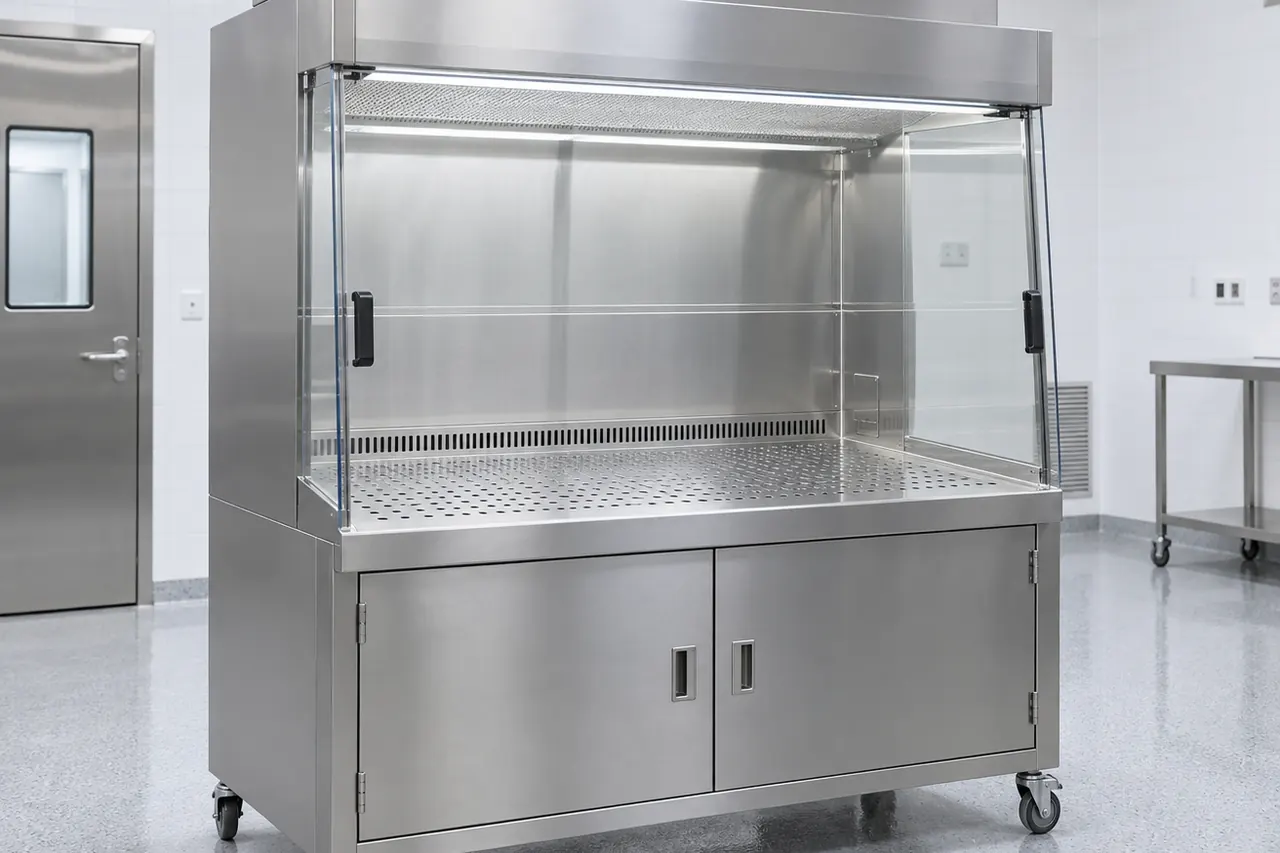
Clean Bench overall equipment view

Laminar Flow Cabinets and Clean Benches

Clean Bench

Clean Bench supports planning for clean-air or cage-change work where the required protection objective must be defined before equipment selection.

Room fitclean-air or cage-change work where the required protection objective must be defined before equipment selectionProduct overview

Product overview

What this equipment is used for

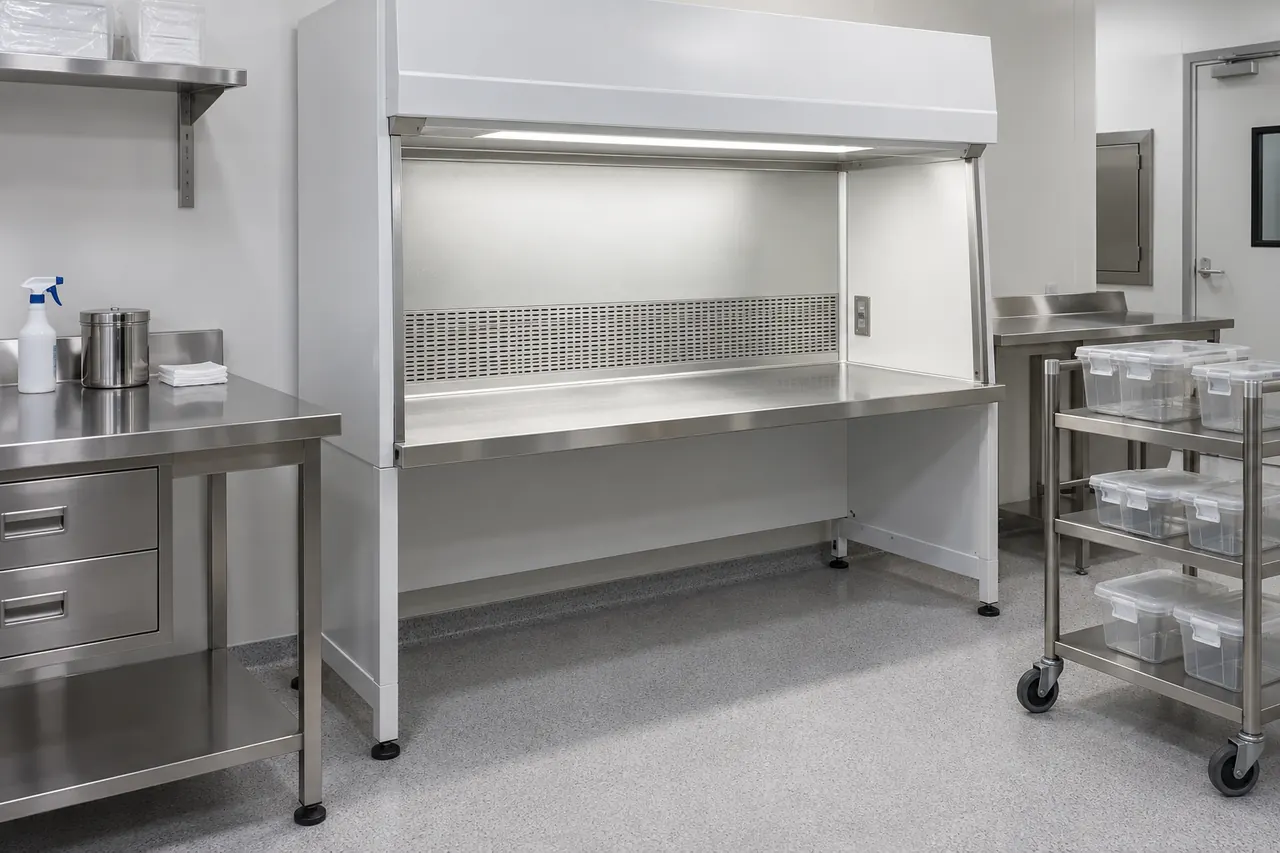
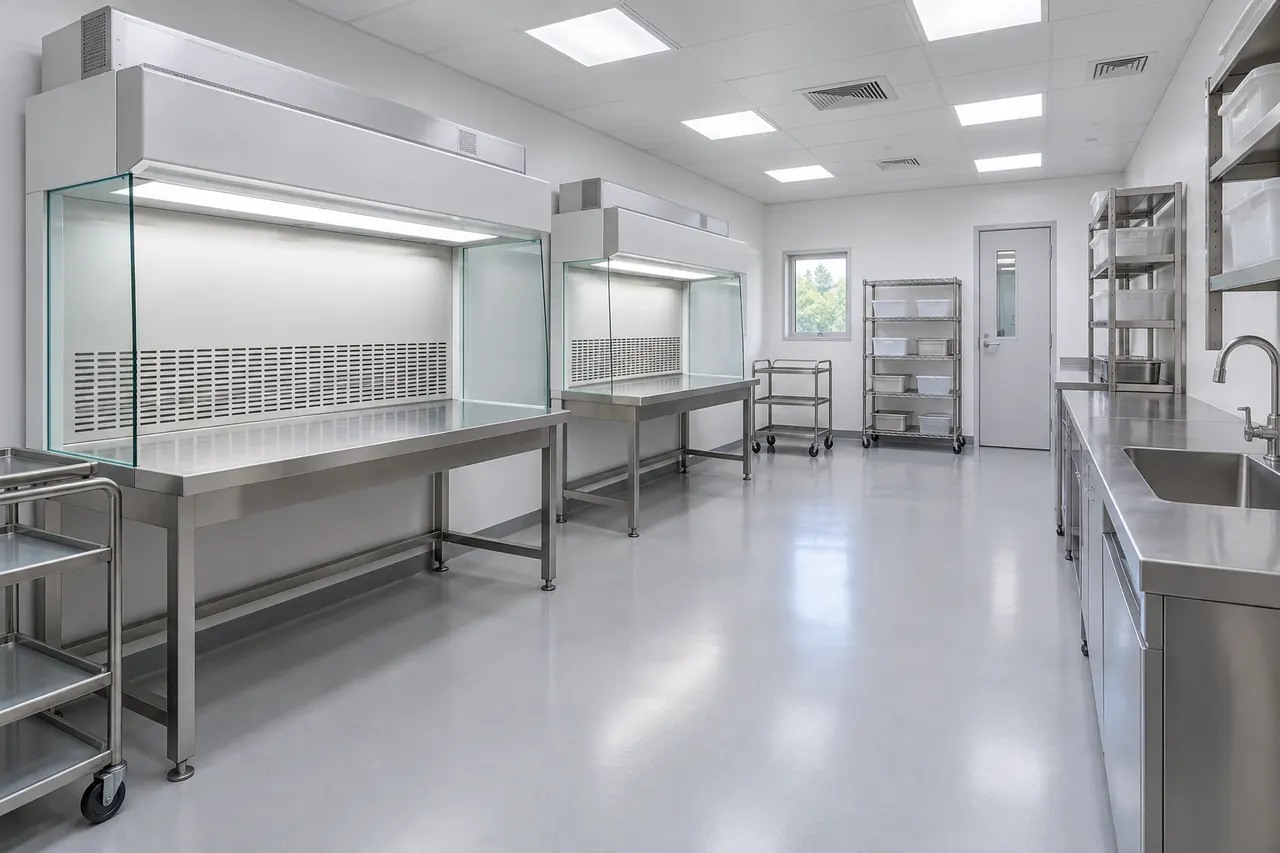
In a laboratory animal facility, Clean Bench can be planned as part of clean-air or cage-change work where the required protection objective must be defined before equipment selection. Coordinate it with IVC cages and racks, clean and soiled carts, biosafety cabinets, and room exhaust, the room layout, operator tasks, cleaning process, and service access.

Configuration basis

Use context
clean-air or cage-change work where the required protection objective must be defined before equipment selection
Equipment family
Laminar Flow Cabinets and Clean Benches
Final configuration
Dimensions, utilities, and options are confirmed for the project.

Facility fit and configuration

Plan the product around the room and daily routine

Separate routine use from configuration decisions, then send the remaining room and purchasing details.

Use scenarios

Where the equipment fits

  • 1Clean Bench where the project calls for bench-based clean-air work
  • 2Clean Bench for rodent cage changing
  • 3Clean Bench for clean equipment preparation
  • 4Clean Bench for controlled animal or material handling

Configuration review

What changes the setup

  • Confirm the intended bench-based clean-air work for Clean Bench.
  • Confirm personnel, product, and environmental protection objective for Clean Bench.
  • Confirm hazard and risk assessment for Clean Bench.
  • Confirm airflow pattern and exhaust arrangement for Clean Bench.
  • Confirm work opening and cage dimensions for Clean Bench.

RFQ details

Complete the project brief

Request a configuration review for Clean Bench. Include the room drawing, intended use, quantity, interfaces, cleaning method, and documentation requirements.

  • Intended use: bench-based clean-air work.
  • Intended work and hazard.
  • Required protection objective.
  • Cage or equipment dimensions.
Request a quote

Several related configurations can be reviewed under this product family. Final configuration, dimensions, utilities, and delivery scope are set during the quote and order process.

Buyer FAQ

Questions about Clean Bench

Quick answers for room planning, product comparison, and quotation preparation.

Clean Bench: Which applications and industries is Clean Bench suitable for?

Maintain Clean Bench through a written schedule based on its supplied manual, frequency of use, soil or hazard type, and approved cleaning agents. Routine review should cover work surface, grilles, filters, and seals, airflow and alarm checks, cabinet cleaning and decontamination, and scheduled certification where applicable. Record inspections, functional checks, filter or consumable changes, repairs, and any required recertification or performance verification.
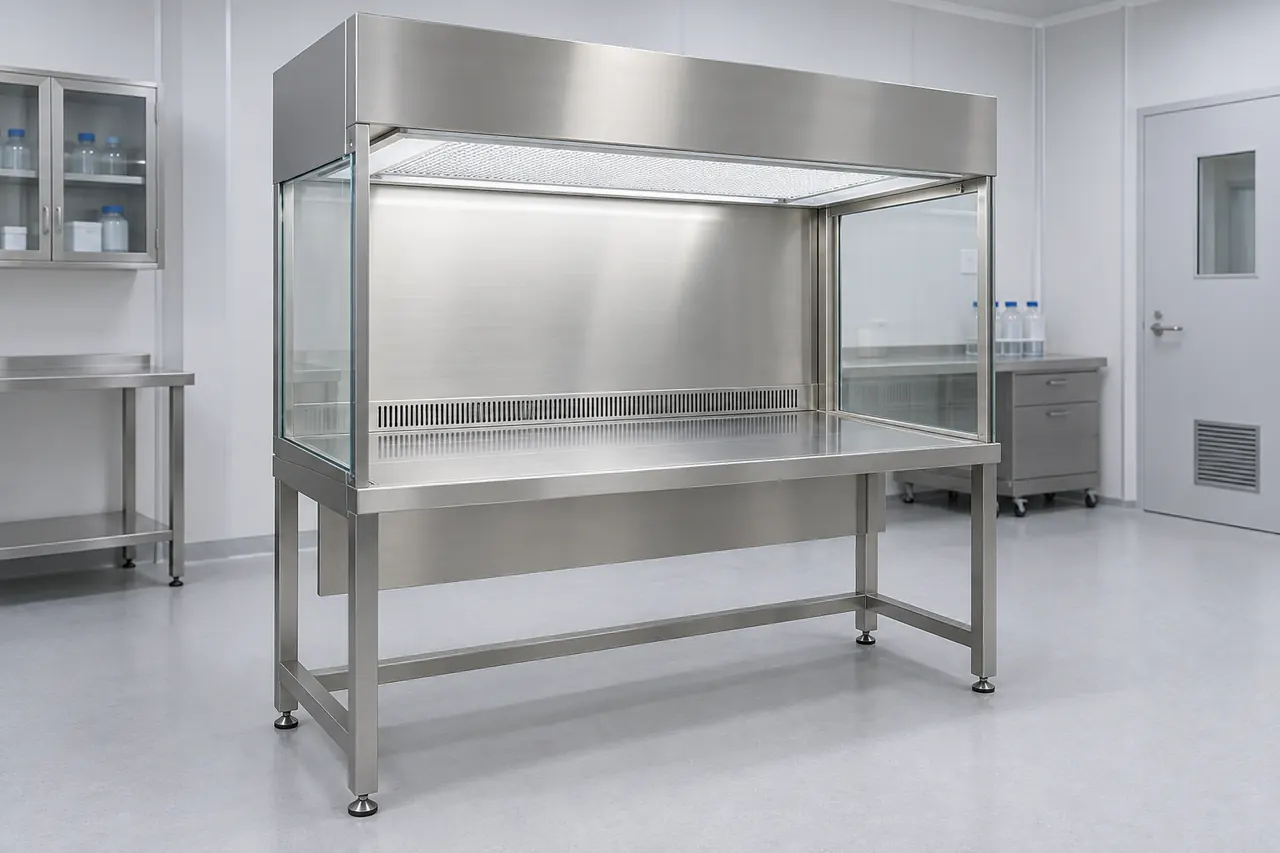
Clean Bench: Which standards or compliance requirements apply to Clean Bench?

No single standard can be assigned to Clean Bench from its product name alone. Applicable requirements depend on the country, institution, animal-care program, intended procedure, hazard assessment, room classification, and equipment function. The RFQ should identify the required standards and request product-specific certificates, test reports, or validation documents before any compliance statement is accepted.

Clean Bench: How should Clean Bench be cleaned and maintained?

Maintain Clean Bench through a written schedule based on its supplied manual, frequency of use, soil or hazard type, and approved cleaning agents. Routine review should cover work surface, grilles, filters, and seals, airflow and alarm checks, cabinet cleaning and decontamination, and scheduled certification where applicable. Record inspections, functional checks, filter or consumable changes, repairs, and any required recertification or performance verification.
Clean Bench: What factors affect the price of Clean Bench?

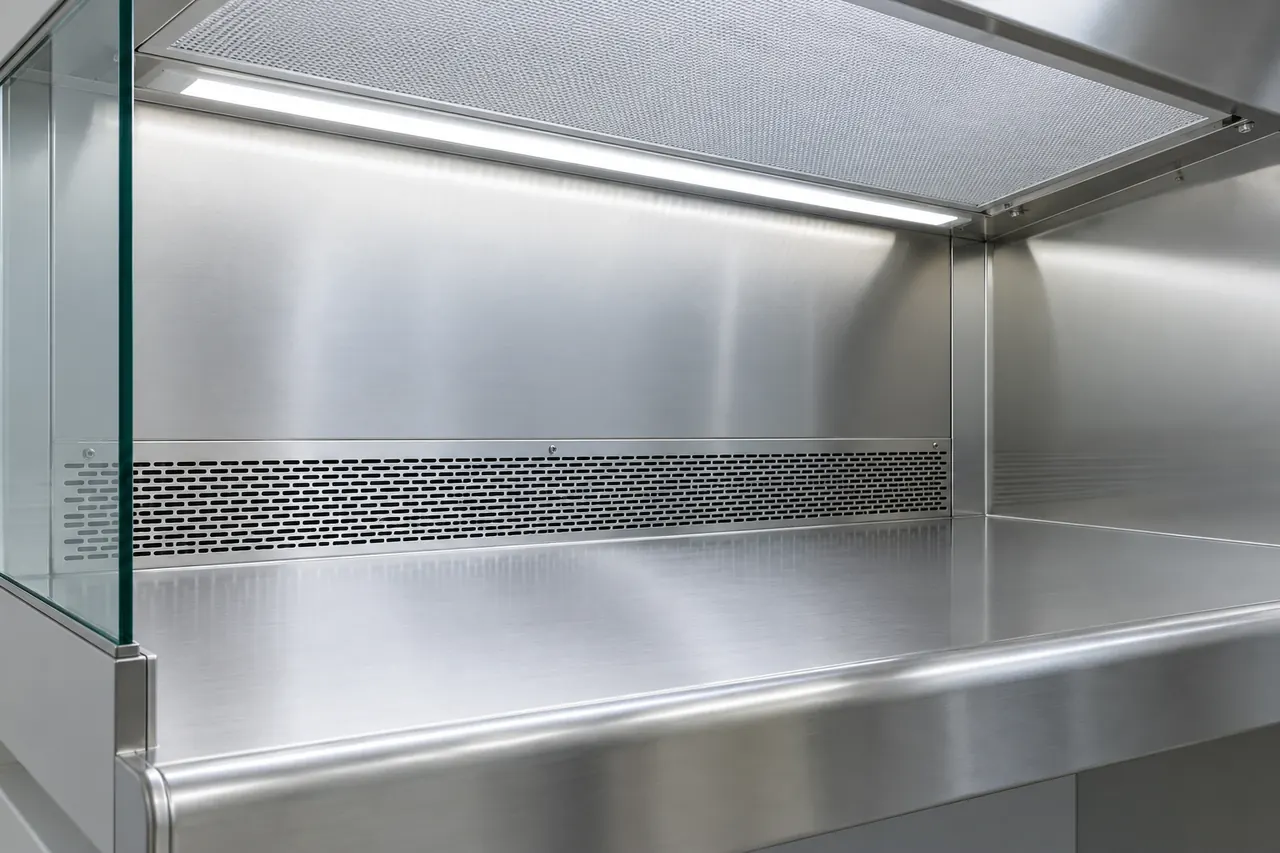
The price of Clean Bench depends mainly on cabinet class and dimensions, airflow and exhaust configuration, filters, controls, and alarms, mobility and accessories, and certification and documentation. A comparable quotation should use the same quantity, room interfaces, required accessories, documentation, delivery location, and installation scope.

Clean Bench: What information is needed to quote Clean Bench?

For a useful Clean Bench quotation, provide intended work and hazard, required protection objective, cage or equipment dimensions, room exhaust and power, work opening and operator access, cleaning or decontamination method, and certification and documentation needs. Ask the supplier to list included equipment, exclusions, utilities, documentation, delivery scope, and the items that still require confirmation.

Clean Bench: How do I choose the right Clean Bench size, capacity, or model?

Maintain Clean Bench through a written schedule based on its supplied manual, frequency of use, soil or hazard type, and approved cleaning agents. Routine review should cover work surface, grilles, filters, and seals, airflow and alarm checks, cabinet cleaning and decontamination, and scheduled certification where applicable. Record inspections, functional checks, filter or consumable changes, repairs, and any required recertification or performance verification.
Related resources

Go deeper with planning resources for Clean Bench

FAQ

FAQ library

Clean Bench: Which applications and industries is Clean Bench suitable for?

Maintain Clean Bench through a written schedule based on its supplied manual, frequency of use, soil or hazard type, and approved cleaning agents. Routine review should cover work surface, grilles, filters, and seals, airflow and alarm checks, cabinet cleaning and decontamination, and scheduled certification where applicable. Record inspections, functional checks, filter or consumable changes, repairs, and any required recertification or performance verification.
Clean Bench: Which standards or compliance requirements apply to Clean Bench?

No single standard can be assigned to Clean Bench from its product name alone. Applicable requirements depend on the country, institution, animal-care program, intended procedure, hazard assessment, room classification, and equipment function. The RFQ should identify the required standards and request product-specific certificates, test reports, or validation documents before any compliance statement is accepted.

Clean Bench: How should Clean Bench be cleaned and maintained?

Maintain Clean Bench through a written schedule based on its supplied manual, frequency of use, soil or hazard type, and approved cleaning agents. Routine review should cover work surface, grilles, filters, and seals, airflow and alarm checks, cabinet cleaning and decontamination, and scheduled certification where applicable. Record inspections, functional checks, filter or consumable changes, repairs, and any required recertification or performance verification.
Guides

Buyer guides

Clean Bench: Animal Transfer Station, Clean Bench, or Biosafety Cabinet?

Use this guide to choose a cage-change work enclosure according to product protection, personnel protection, hazard, airflow, and certification needs. For Clean Bench, compare personnel, product, and environmental protection objective, hazard and risk assessment, airflow pattern and exhaust arrangement, and work opening and cage dimensions and record the decision in the project RFQ.

Solutions

Solution references

Clean Bench: Barrier Rodent Cage-Change and Clean/Soiled Workflow

This planning reference explains how to plan cage-changing equipment, clean and soiled cart positions, work-surface disinfection, and airflow discipline. For Clean Bench, coordinate IVC cages and racks, clean and soiled carts, biosafety cabinets, and room exhaust, room interfaces, cleaning, and operator workflow. Use it as a planning reference; final scope is confirmed for the actual project.