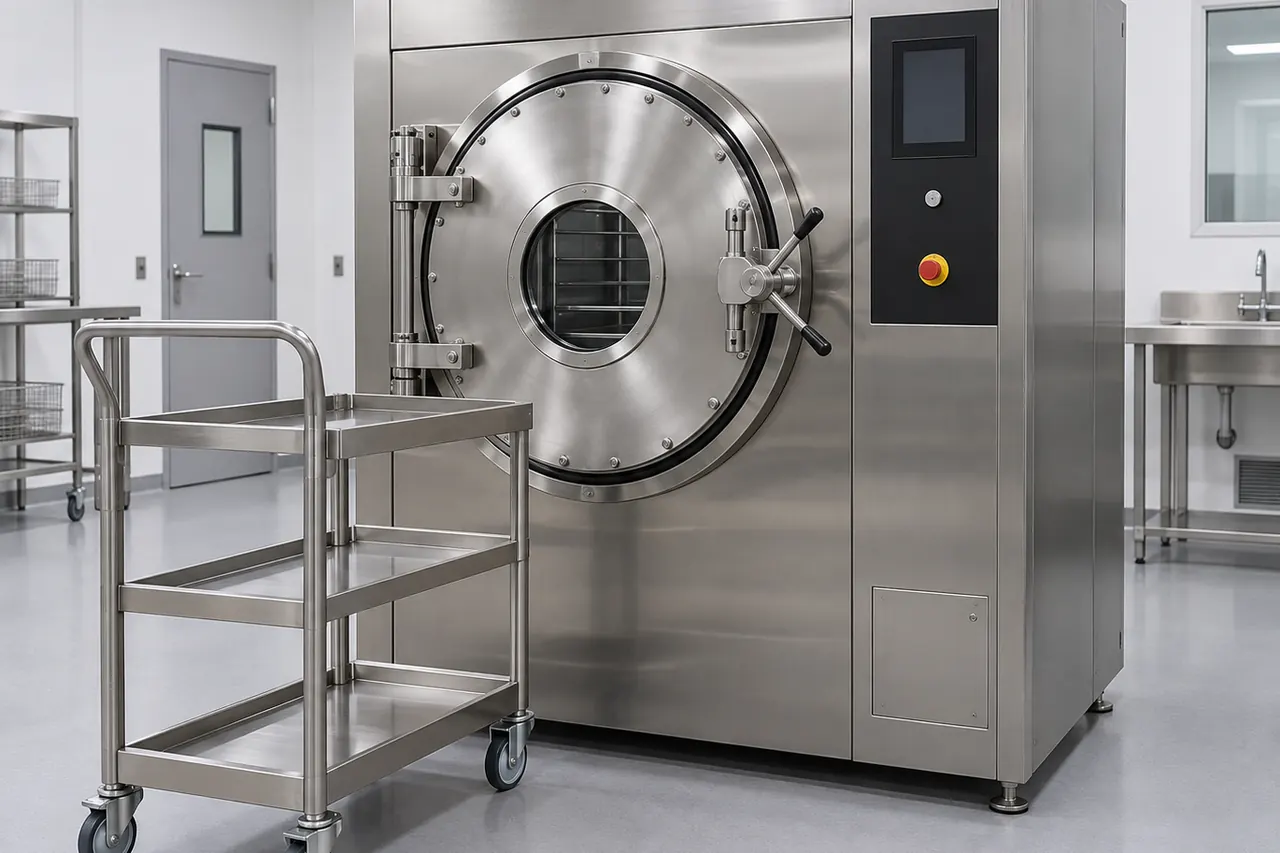
Sterilization Equipment: Which applications and industries is Sterilization Equipment suitable for?+
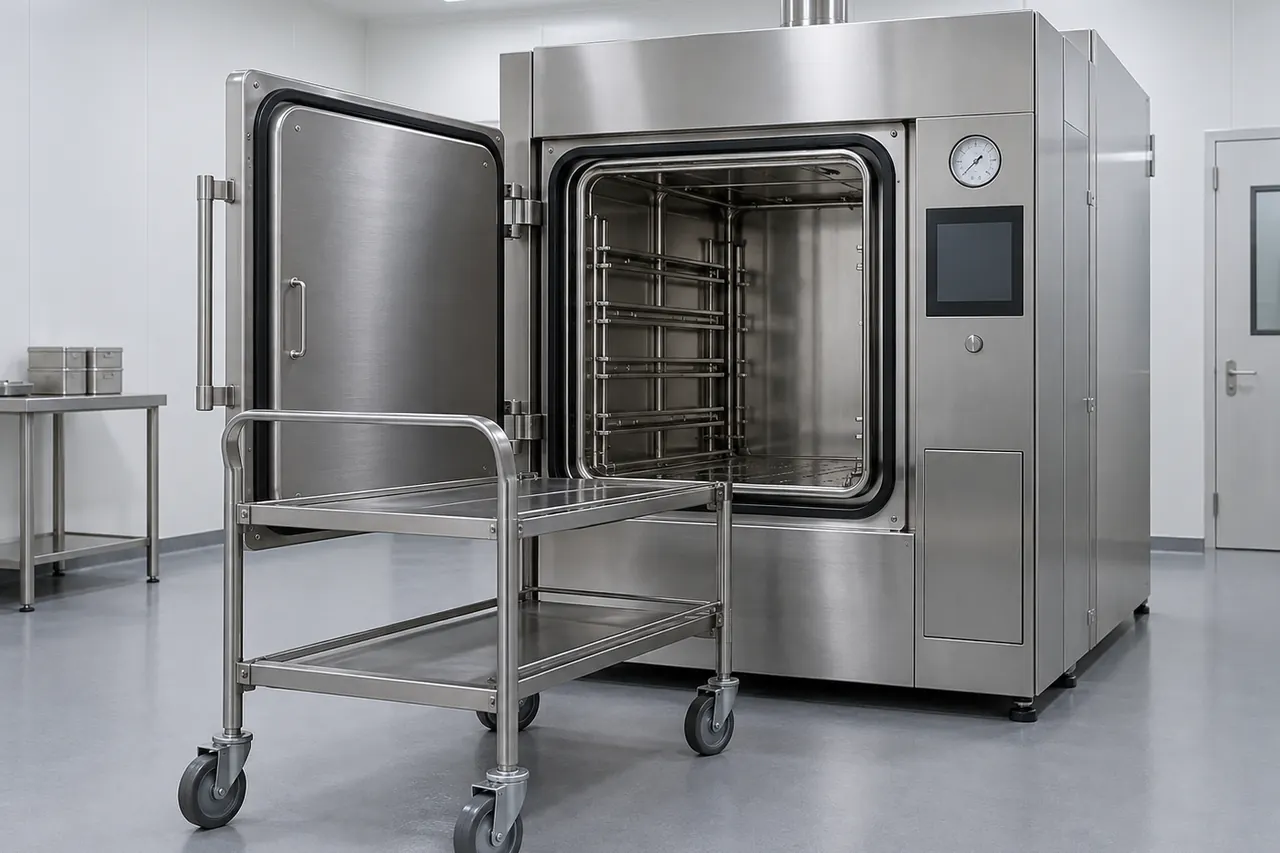
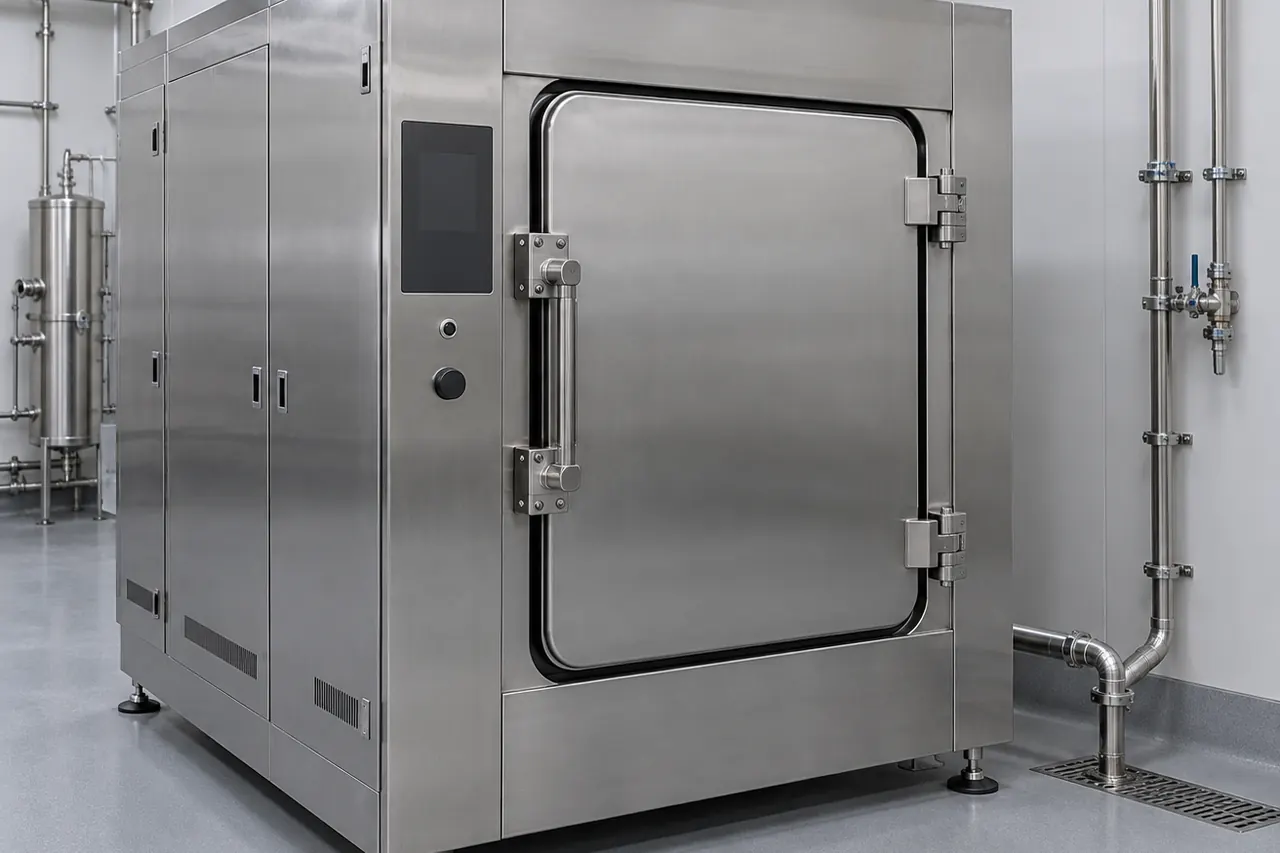
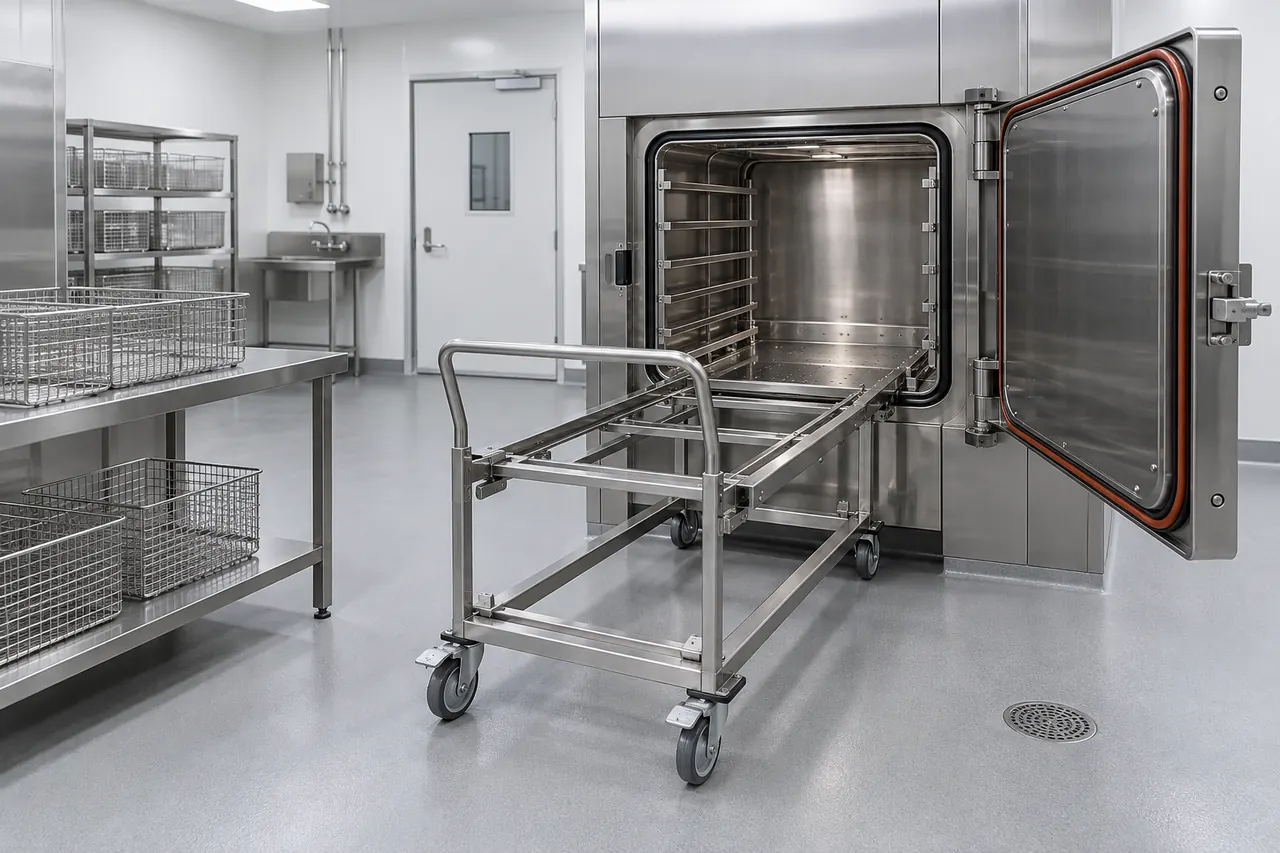
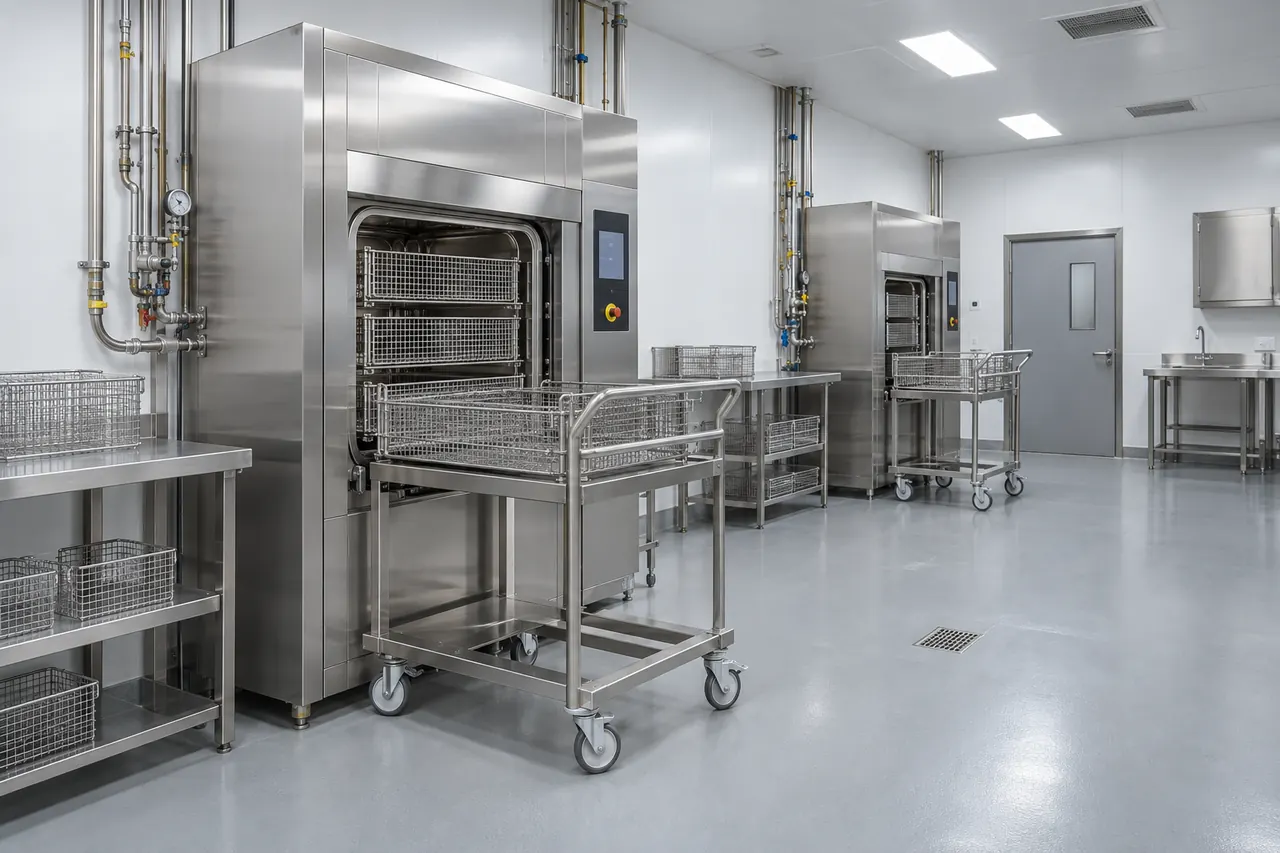
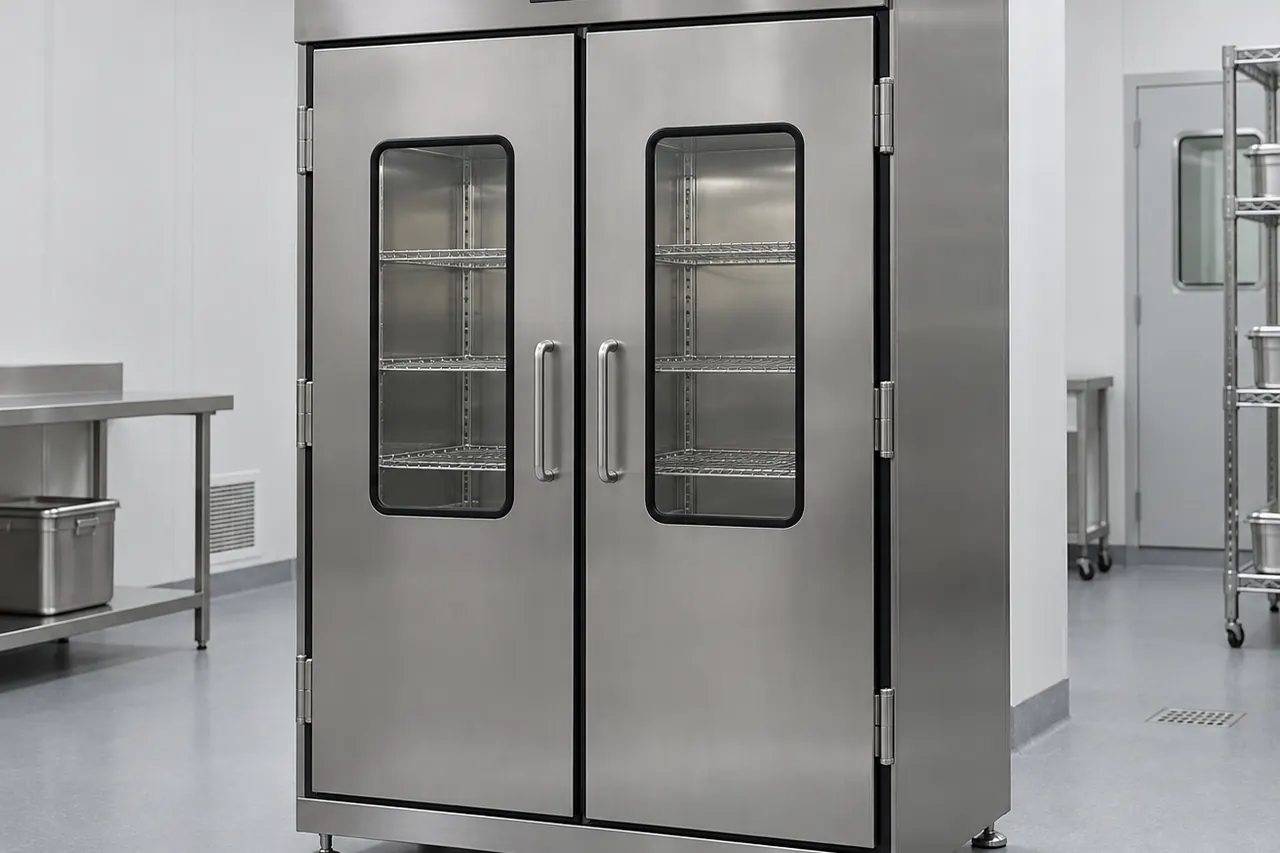
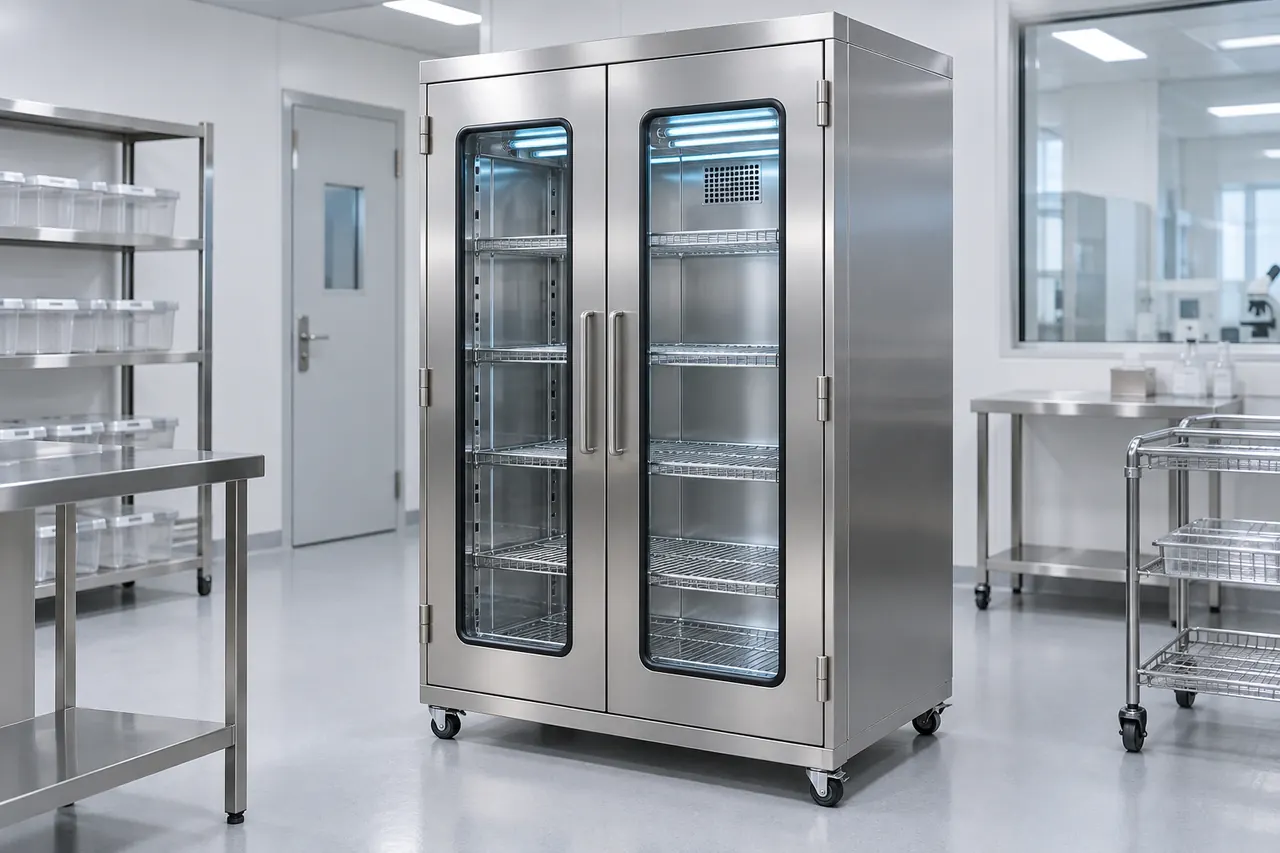
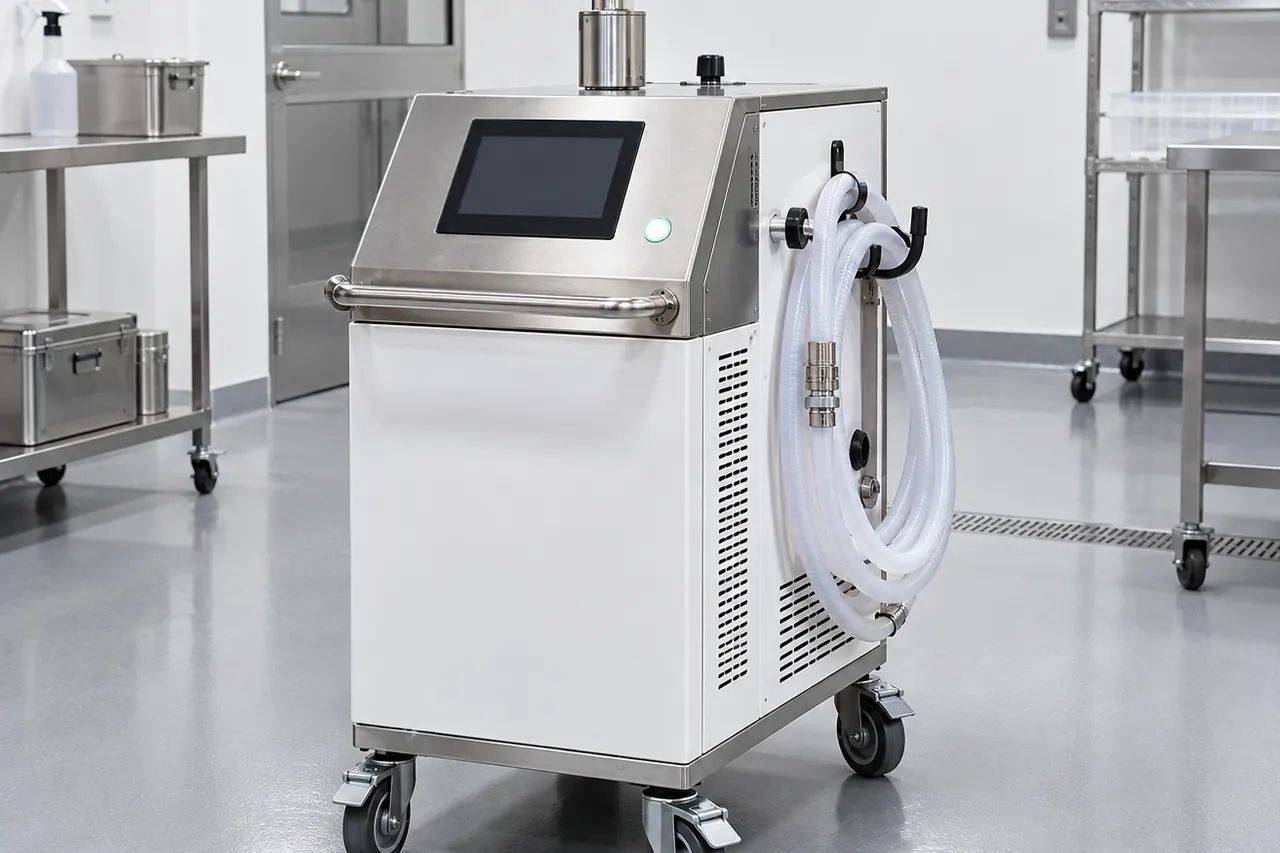
Sterilization Equipment is typically evaluated for cage or equipment sterilization, room or isolator decontamination, and controlled load processing within steam, vapor, or other controlled decontamination of vivarium equipment, loads, or spaces. Final suitability depends on the species or load, intended procedure, room workflow, hazards, cleaning method, interfaces, and institutional approval.
Sterilization Equipment: Is Sterilization Equipment suitable for frequent washdown or hygienic cleaning?+
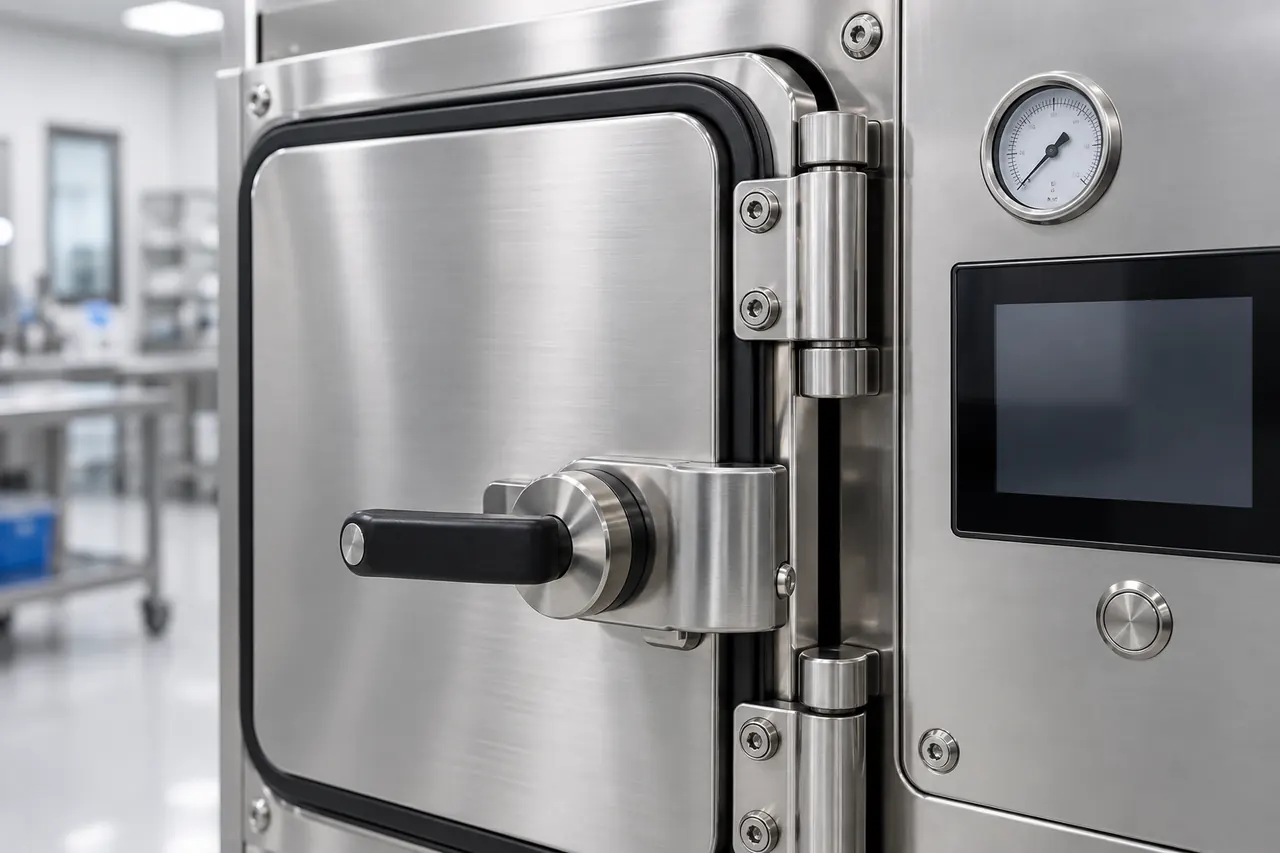
Frequent washdown suitability for Sterilization Equipment must be confirmed from the supplied construction, not assumed from appearance. Check exposed materials, welds and joints, seals, drainage, electrical or airflow components, cleaning-agent compatibility, water pressure and temperature limits, and drying access. Use the approved supplier cleaning instructions for the final configuration.
Sterilization Equipment: Which standards or compliance requirements apply to Sterilization Equipment?+
No single standard can be assigned to Sterilization Equipment from its product name alone. Applicable requirements depend on the country, institution, animal-care program, intended procedure, hazard assessment, room classification, and equipment function. The RFQ should identify the required standards and request product-specific certificates, test reports, or validation documents before any compliance statement is accepted.
Sterilization Equipment: How should Sterilization Equipment be cleaned and maintained?+
Maintain Sterilization Equipment through a written schedule based on its supplied manual, frequency of use, soil or hazard type, and approved cleaning agents. Routine review should cover chamber, seals, filters, and delivery components, sensors, alarms, and cycle records, approved cleaning and consumables, and scheduled efficacy and safety checks. Record inspections, functional checks, filter or consumable changes, repairs, and any required recertification or performance verification.
Sterilization Equipment: Should Sterilization Equipment use 304 or 316 stainless steel?+
Do not choose the stainless-steel grade for Sterilization Equipment from the product name alone. Type 304 is commonly evaluated for general indoor service, while 316 or 316L is considered when chloride exposure or more aggressive corrosion conditions are expected. The decision should also cover cleaning chemistry, welds and crevices, surface finish, wetted parts, and the project standard. Require the quotation to state the grade for each relevant component instead of accepting the word stainless as a complete specification.
Sterilization Equipment: What factors affect the price of Sterilization Equipment?+
The price of Sterilization Equipment depends mainly on process type and chamber or room volume, cycle and control scope, utilities and exhaust, monitoring and consumables, and validation and documentation. A comparable quotation should use the same quantity, room interfaces, required accessories, documentation, delivery location, and installation scope.
Sterilization Equipment: What information is needed to quote Sterilization Equipment?+
For a useful Sterilization Equipment quotation, provide load or room to be processed, material compatibility, target cycle or decontamination method, volume and throughput, utilities and exhaust, monitoring and release criteria, and validation and documentation. Ask the supplier to list included equipment, exclusions, utilities, documentation, delivery scope, and the items that still require confirmation.
Sterilization Equipment: How do I choose the right Sterilization Equipment size, capacity, or model?+
Choose Sterilization Equipment by starting with target process and required outcome, load type, material, and volume, cycle method and compatibility, utilities, exhaust, and room boundary, monitoring and release criteria, and validation and record requirements. Then compare the same operating assumptions across suppliers, including quantity, room fit, cleaning, interfaces, accessories, documentation, and future expansion.