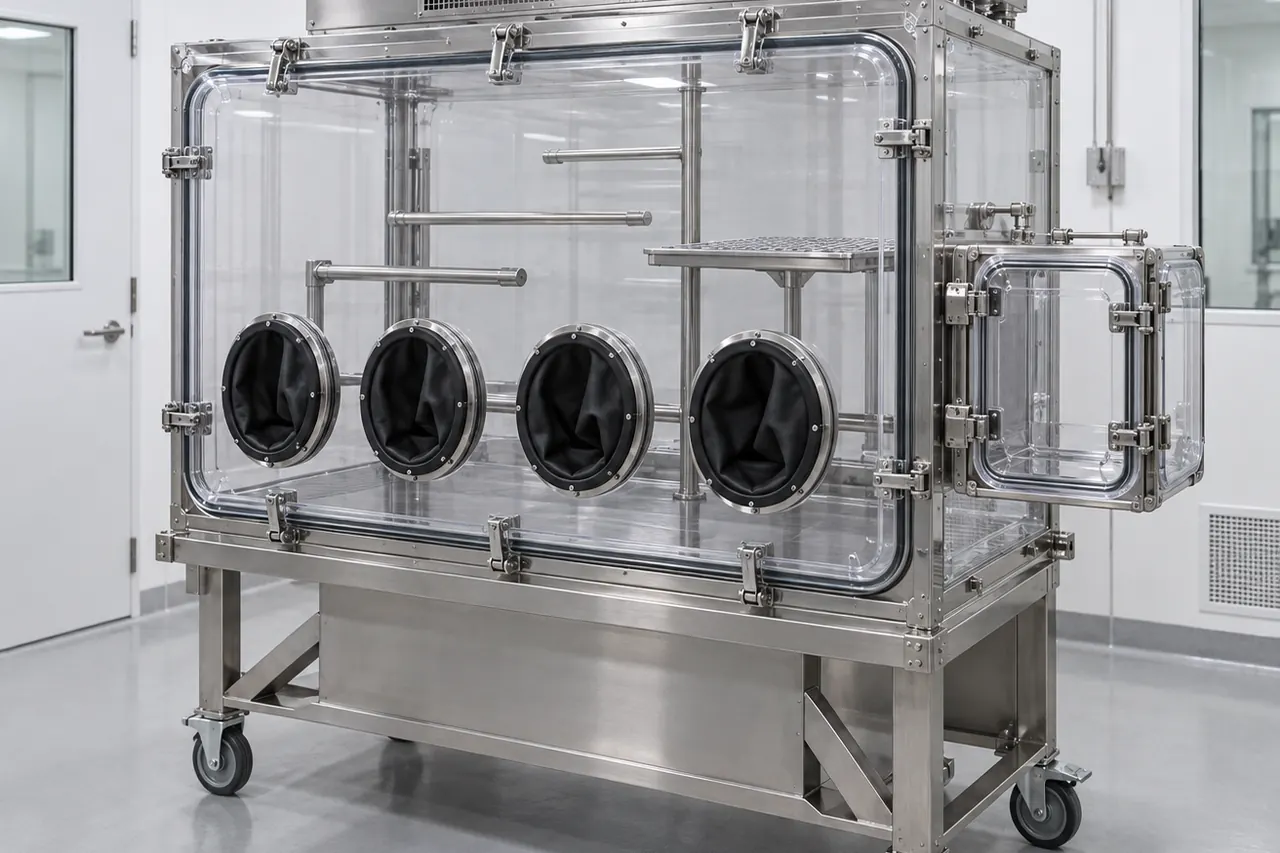
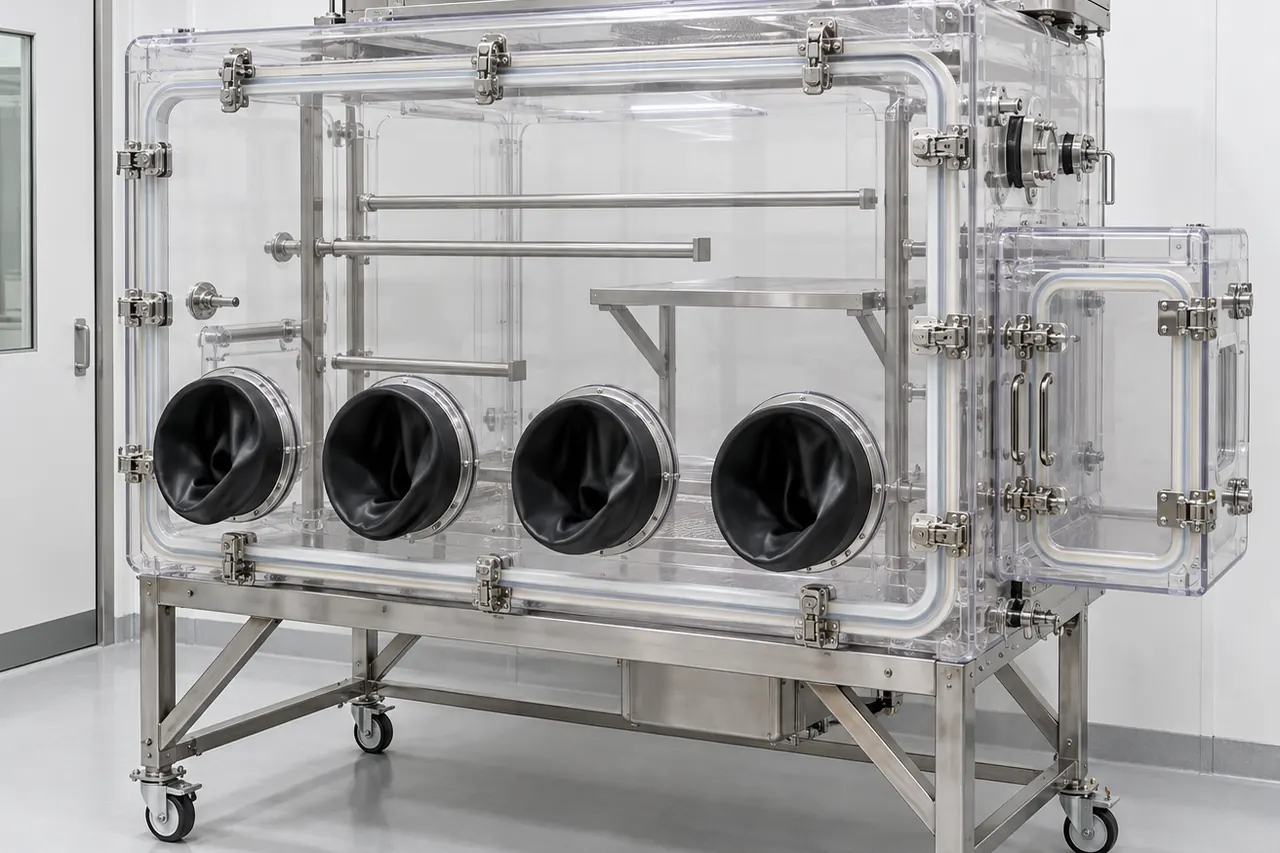
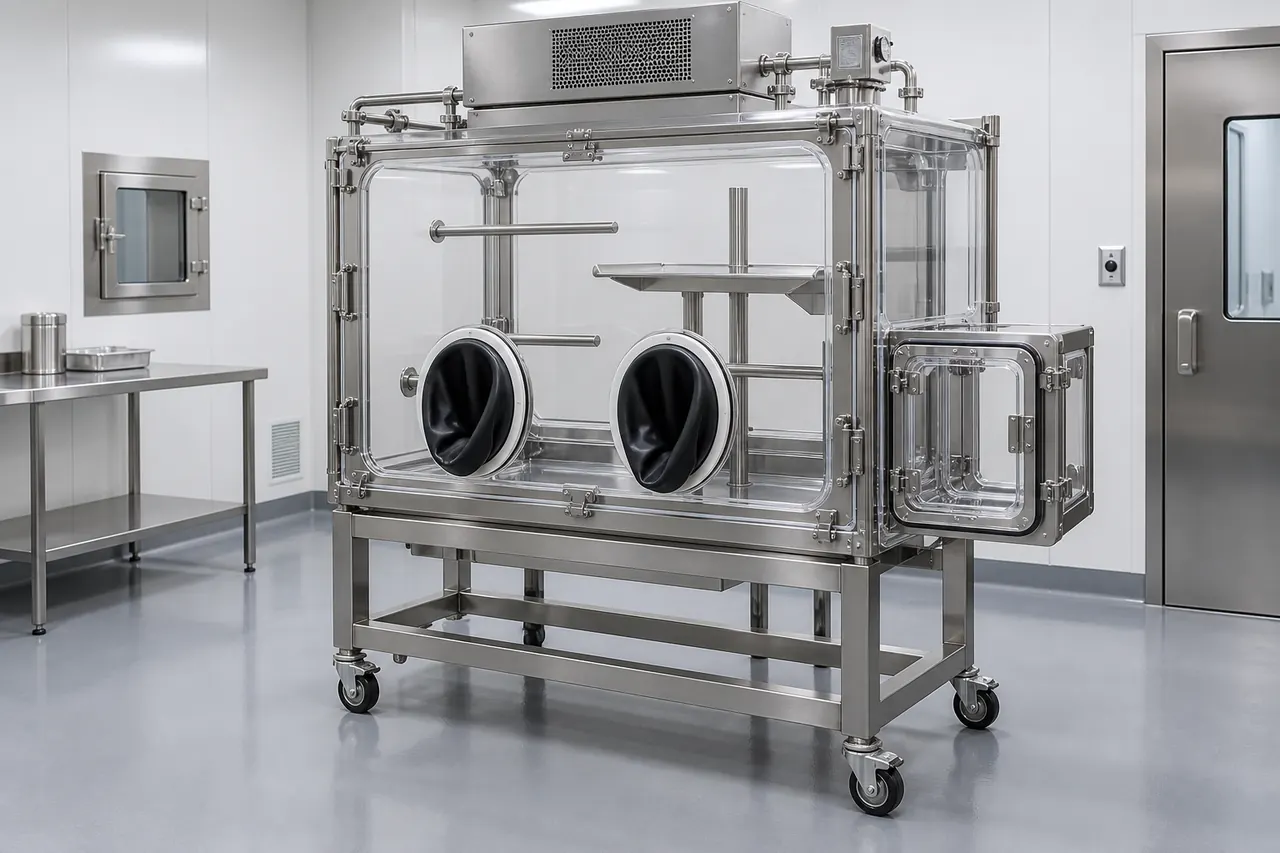
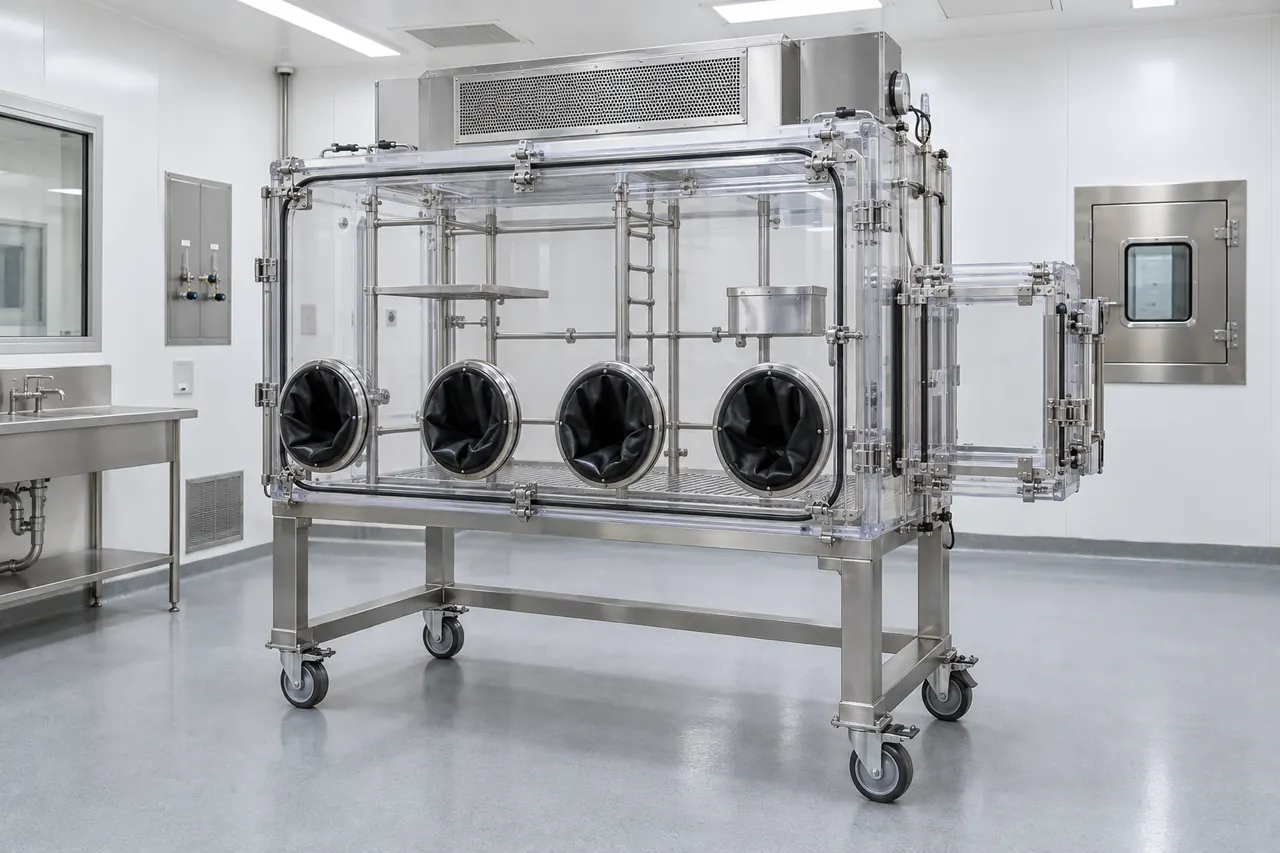
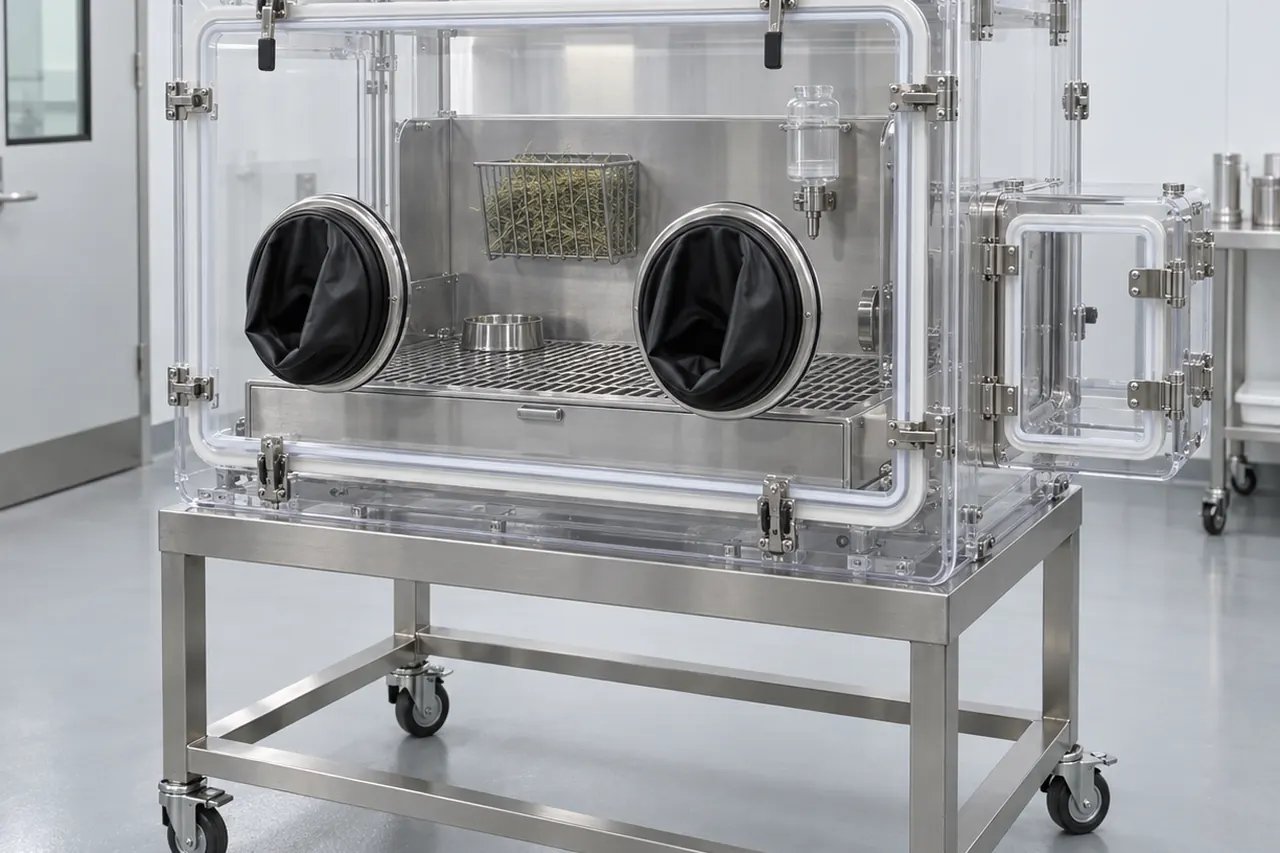
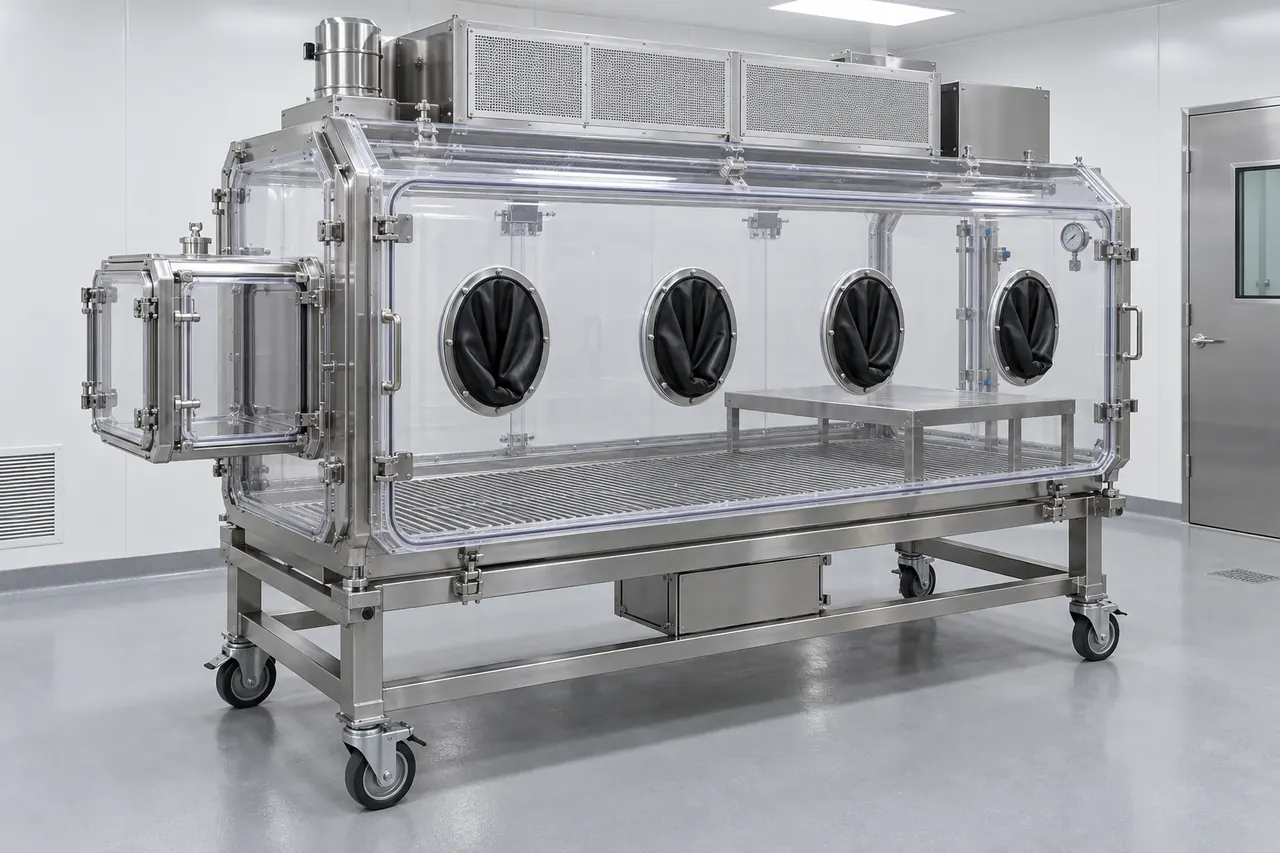
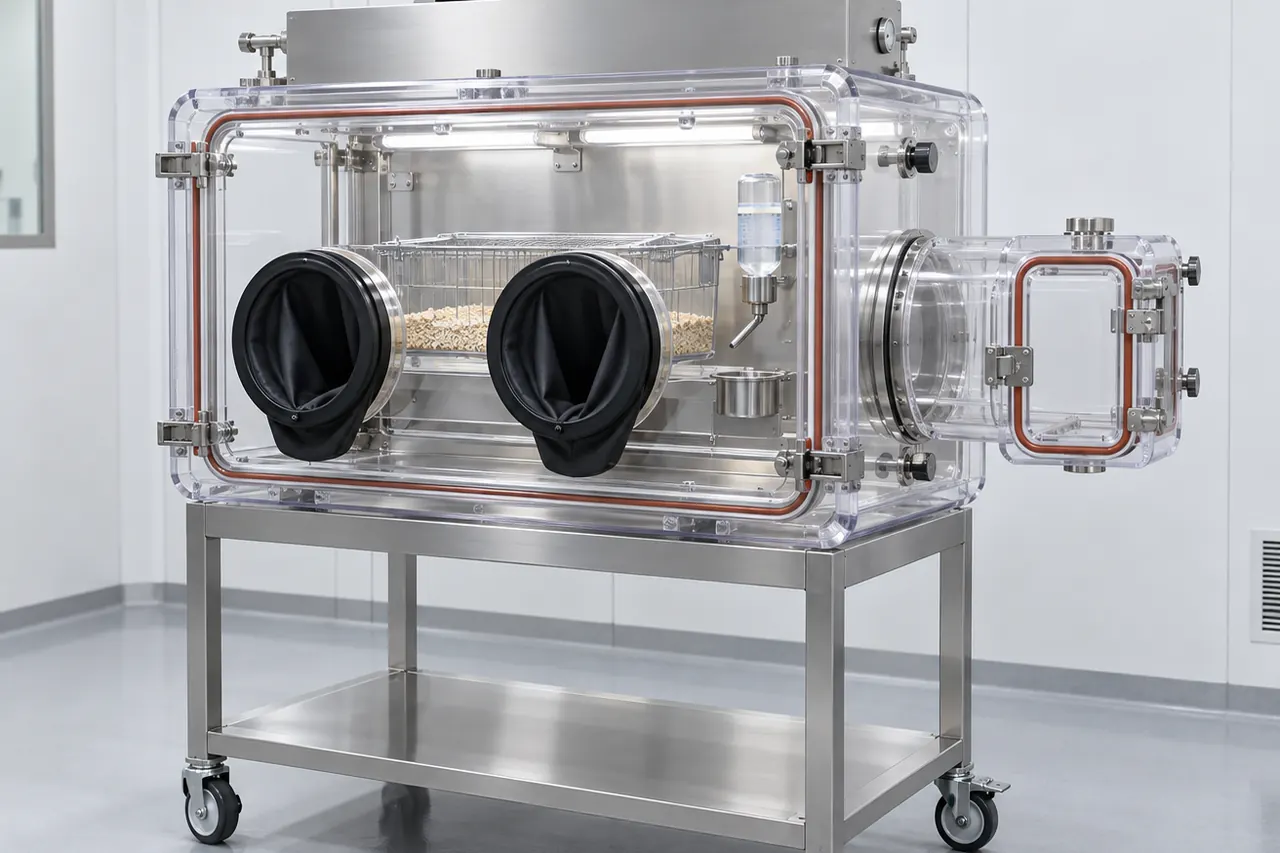
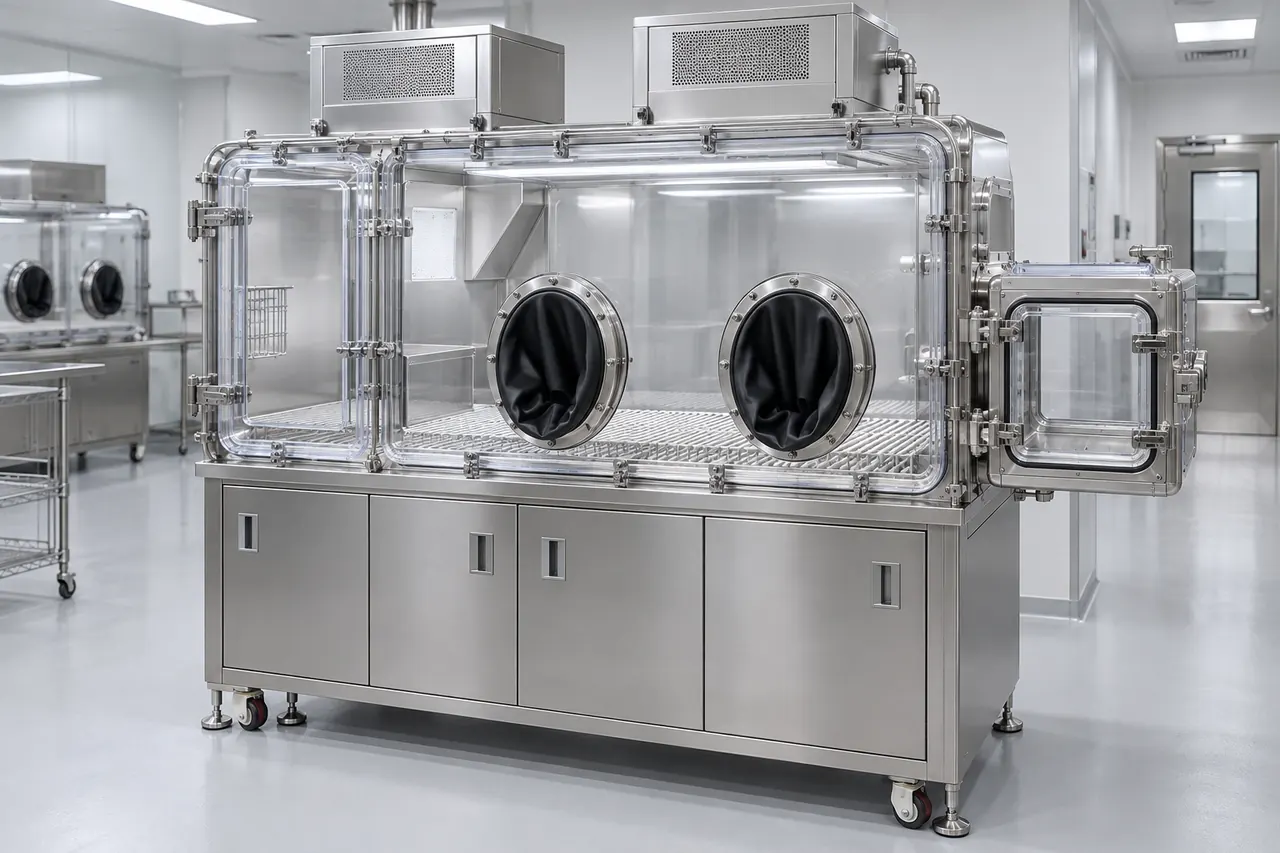
Non Human Primate Animal Isolator: Which applications and industries is Non Human Primate Animal Isolator suitable for?+
Non Human Primate Animal Isolator is typically evaluated for quarantine or health-status separation, gnotobiotic or bioexclusion housing, and contained or aseptic procedure planning within quarantine, bioexclusion, biocontainment, or aseptic animal work within a defined barrier. Final suitability depends on the species or load, intended procedure, room workflow, hazards, cleaning method, interfaces, and institutional approval.
Non Human Primate Animal Isolator: Which standards or compliance requirements apply to Non Human Primate Animal Isolator?+
No single standard can be assigned to Non Human Primate Animal Isolator from its product name alone. Applicable requirements depend on the country, institution, animal-care program, intended procedure, hazard assessment, room classification, and equipment function. The RFQ should identify the required standards and request product-specific certificates, test reports, or validation documents before any compliance statement is accepted.
Non Human Primate Animal Isolator: How should Non Human Primate Animal Isolator be cleaned and maintained?+
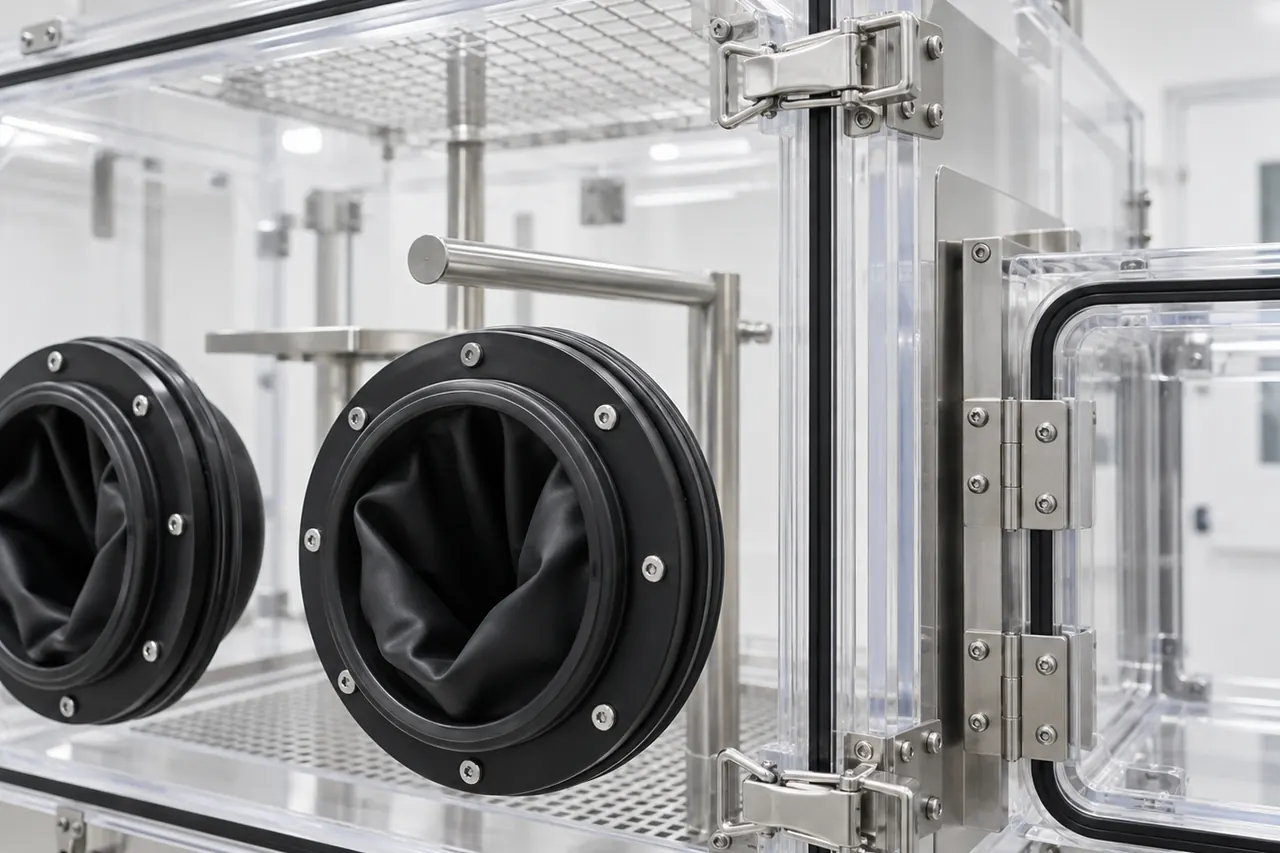
Maintain Non Human Primate Animal Isolator through a written schedule based on its supplied manual, frequency of use, soil or hazard type, and approved cleaning agents. Routine review should cover barrier seals, gloves, filters, and transfer ports, pressure and alarm indication, airflow and control components, and approved cleaning and decontamination process. Record inspections, functional checks, filter or consumable changes, repairs, and any required recertification or performance verification.
Non Human Primate Animal Isolator: What factors affect the price of Non Human Primate Animal Isolator?+
The price of Non Human Primate Animal Isolator depends mainly on chamber size and housing capacity, airflow, controls, and filtration, transfer ports and glove systems, decontamination scope, and validation and documentation. A comparable quotation should use the same quantity, room interfaces, required accessories, documentation, delivery location, and installation scope.
Non Human Primate Animal Isolator: What information is needed to quote Non Human Primate Animal Isolator?+
For a useful Non Human Primate Animal Isolator quotation, provide protection direction and intended use, species and cage quantity, room location and available utilities, airflow, pressure, and exhaust concept, transfer and glove access, decontamination method, and alarm, validation, and documentation needs. Ask the supplier to list included equipment, exclusions, utilities, documentation, delivery scope, and the items that still require confirmation.
Non Human Primate Animal Isolator: How do I choose the right Non Human Primate Animal Isolator size, capacity, or model?+
Choose Non Human Primate Animal Isolator by starting with protection direction and risk assessment, species, cage format, and duration, airflow, pressure, and filtration concept, material and animal transfer method, operator access and glove arrangement, and decontamination and validation plan. Then compare the same operating assumptions across suppliers, including quantity, room fit, cleaning, interfaces, accessories, documentation, and future expansion.