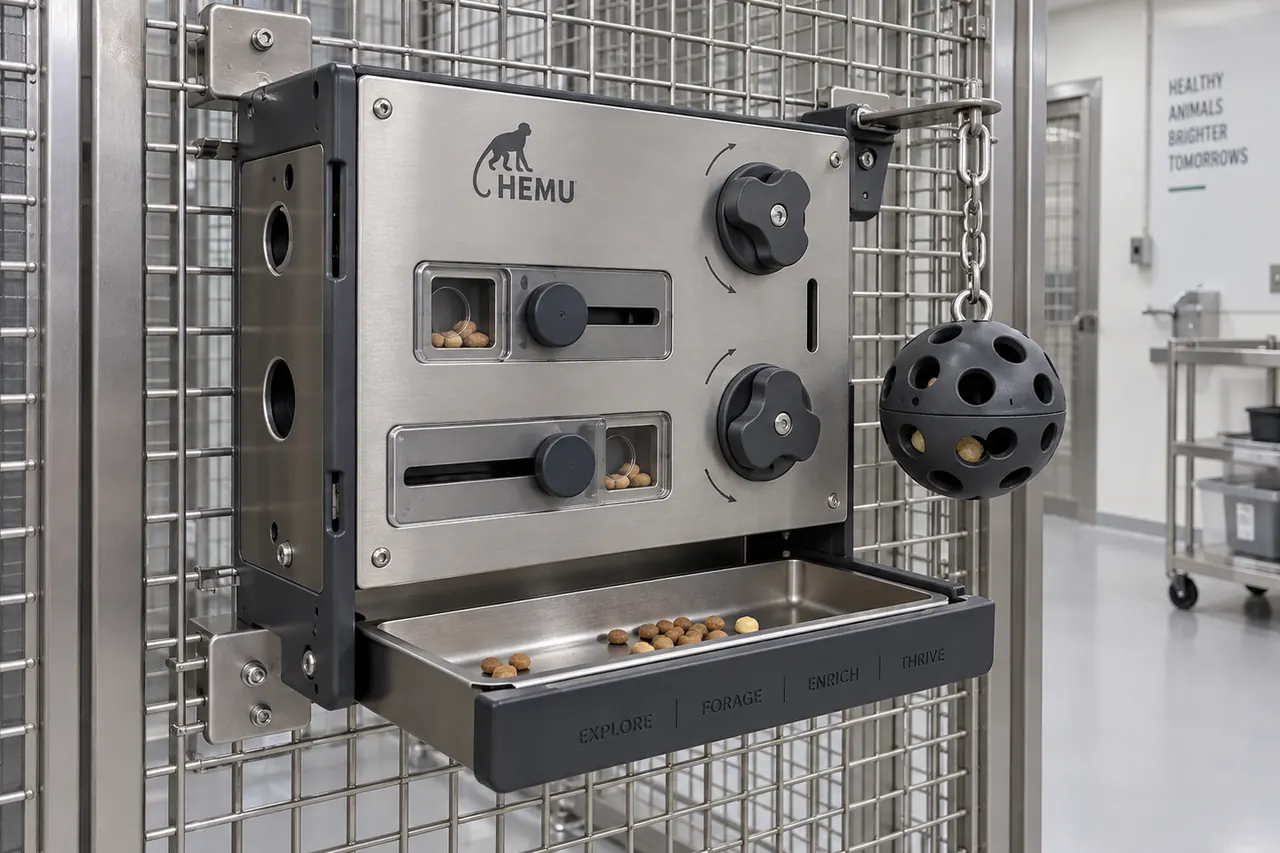
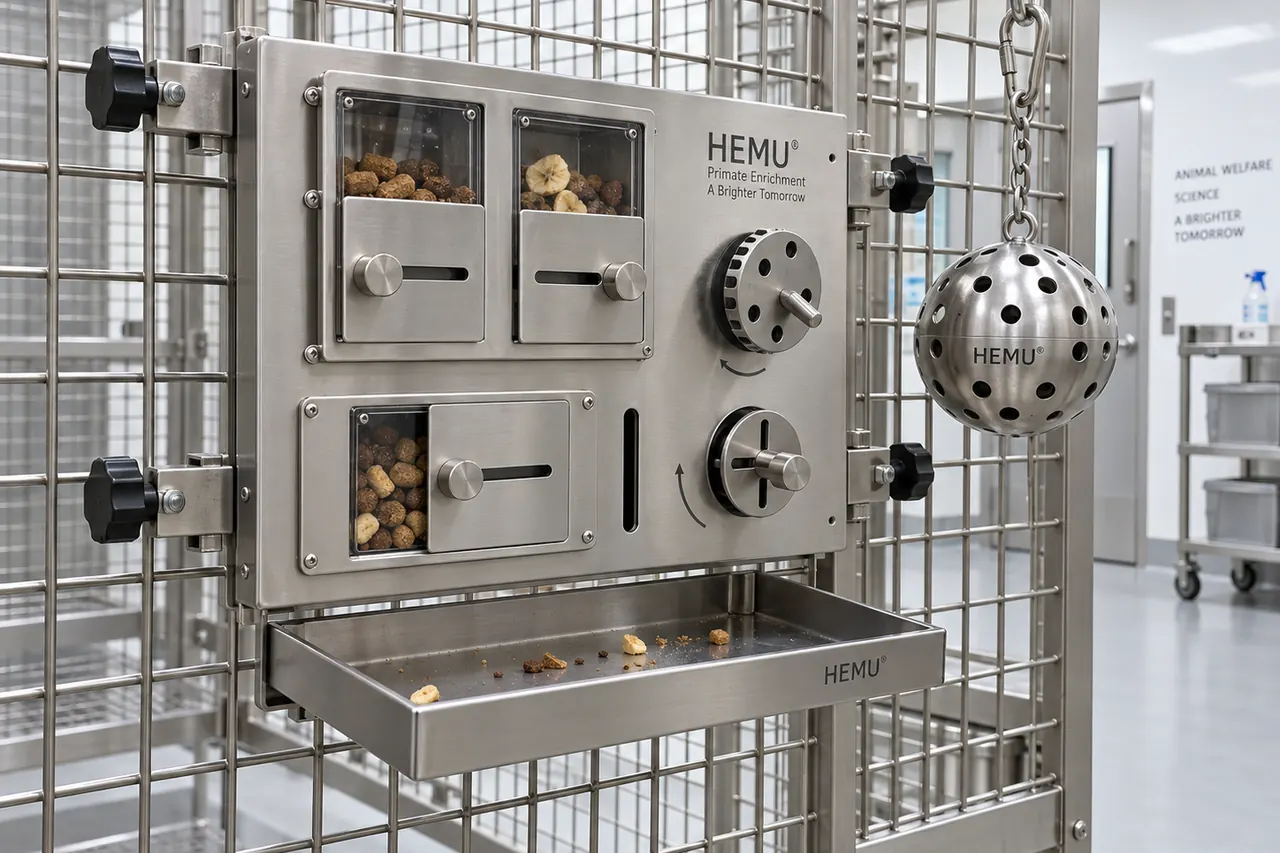
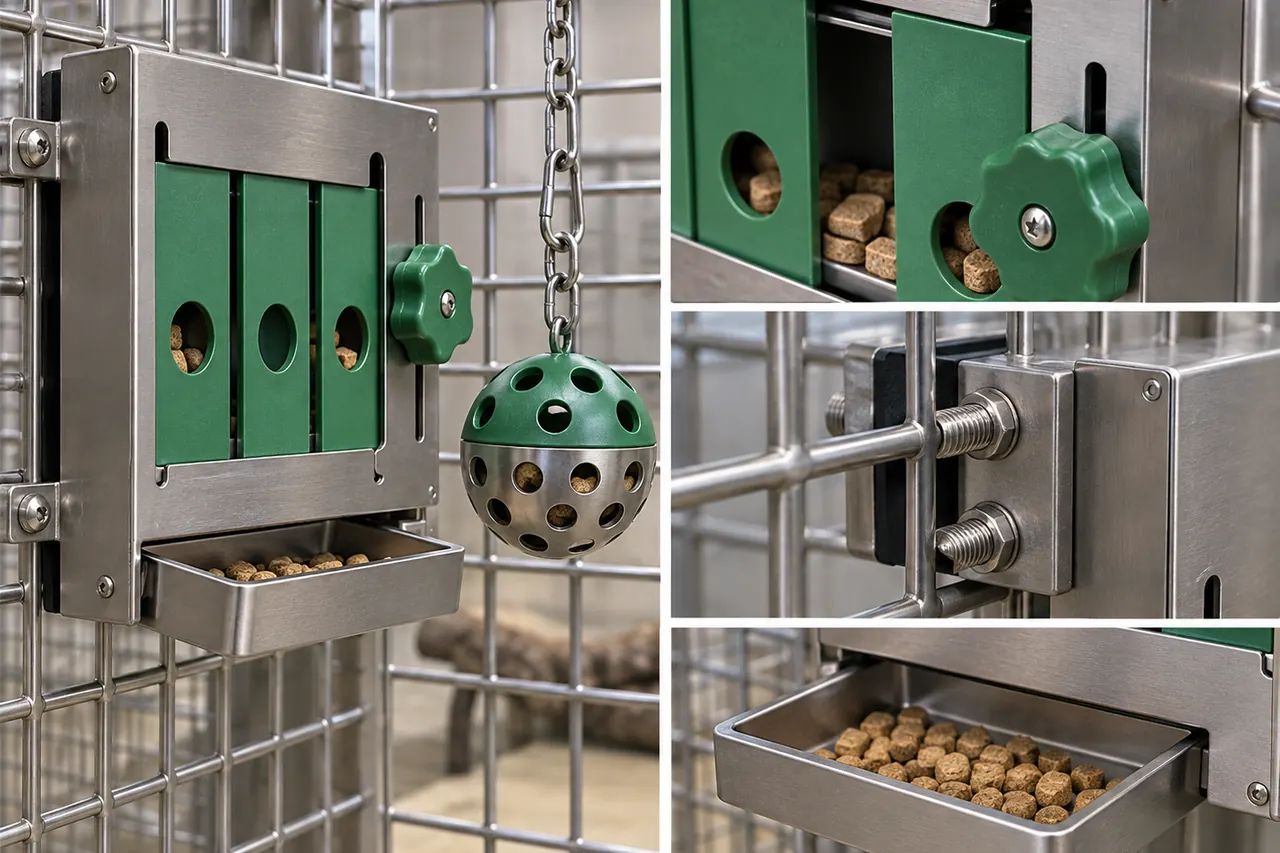
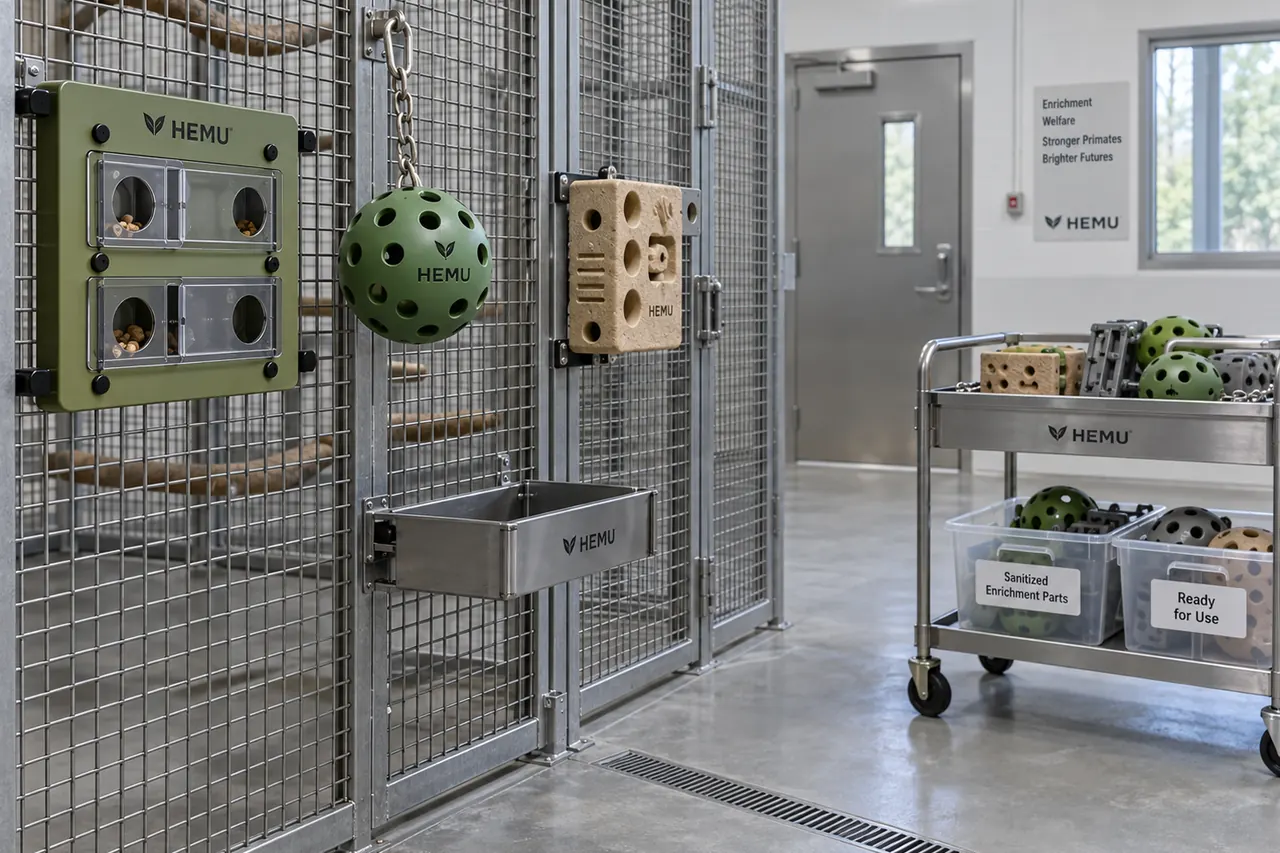
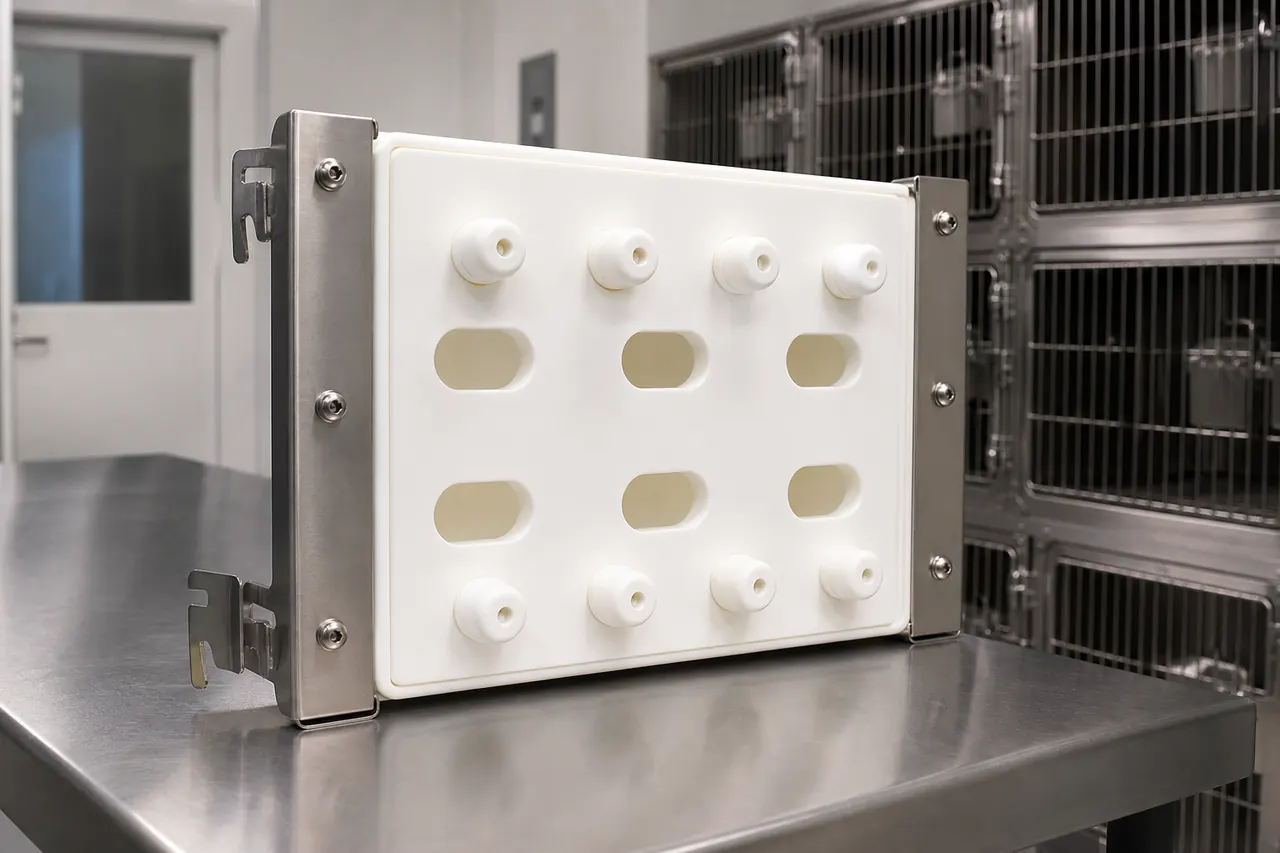
Non Human Primate Enrichment Device complete product overview

Animal Welfare and Enrichment Products

Non Human Primate Enrichment Device

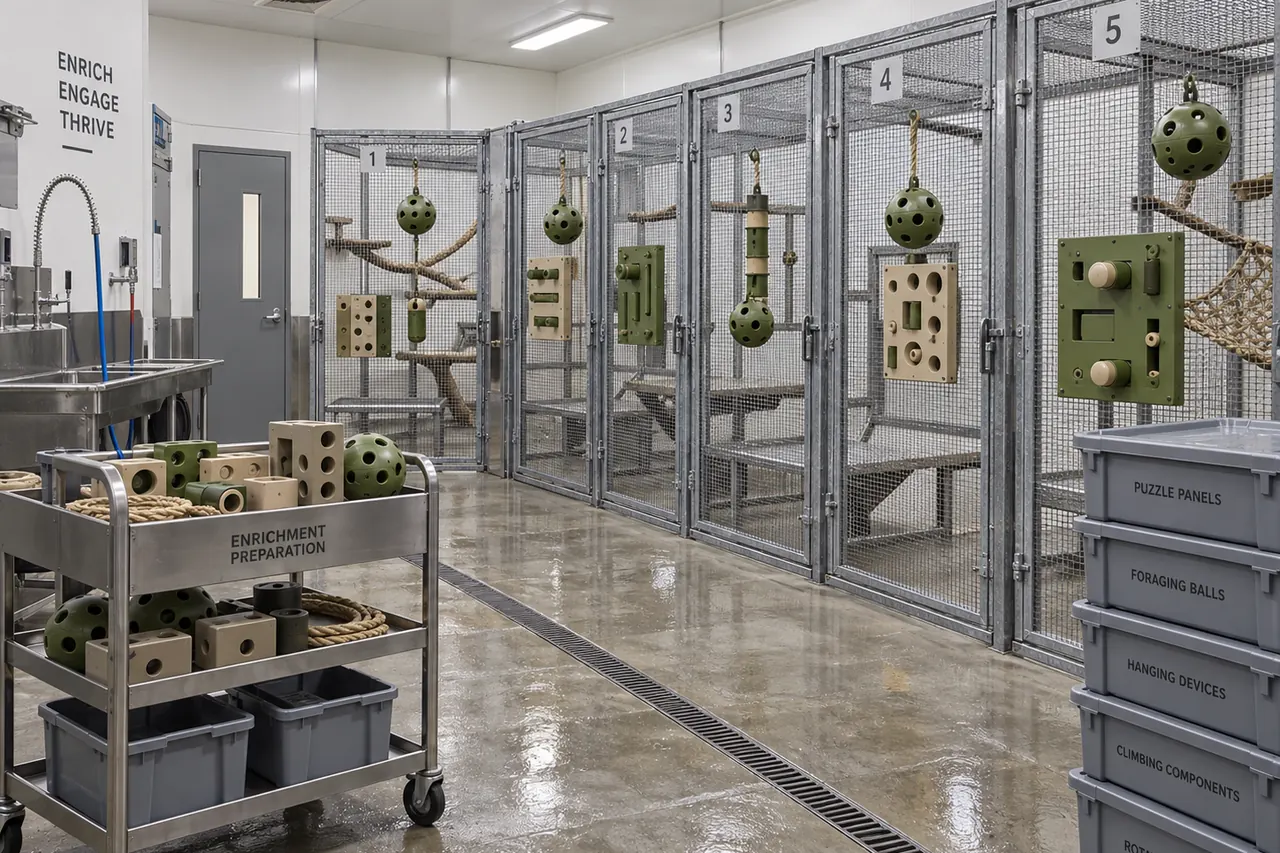
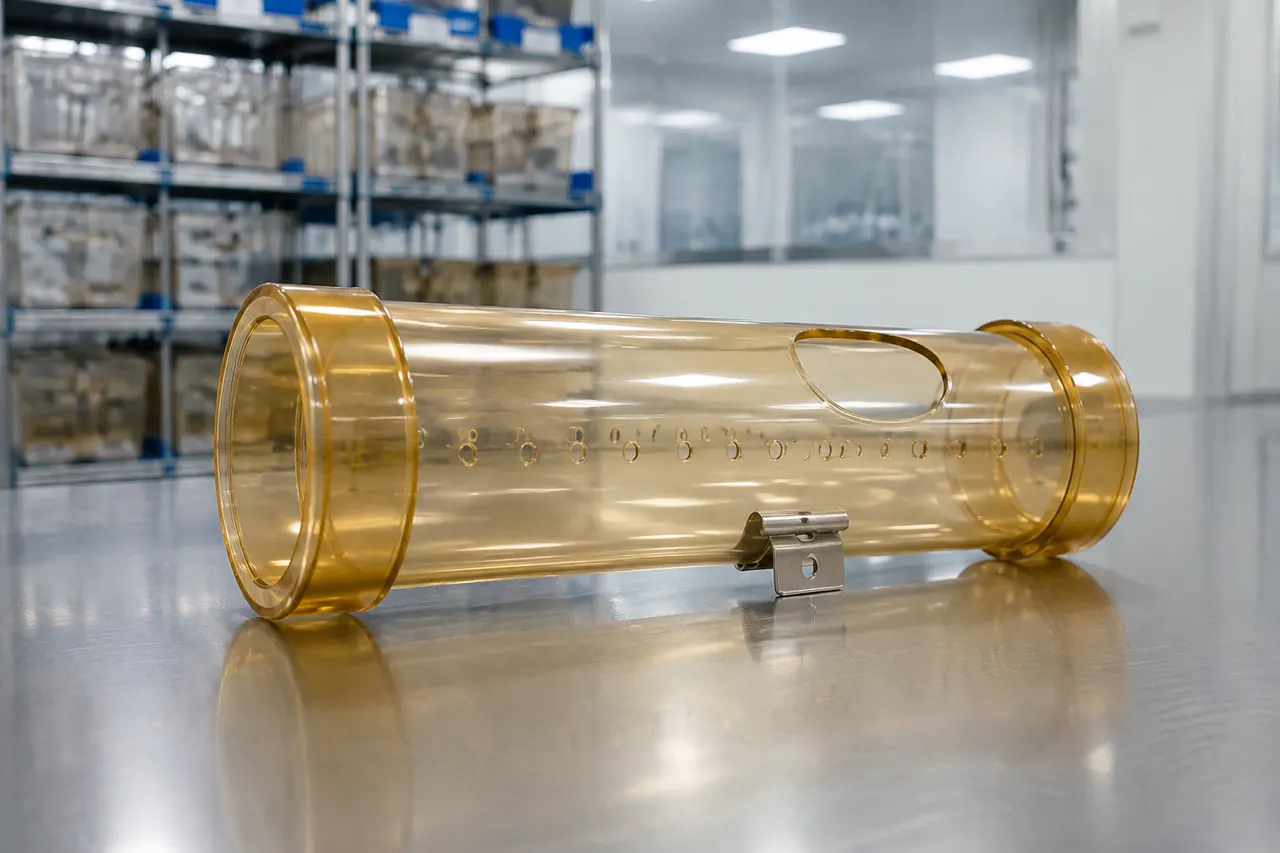
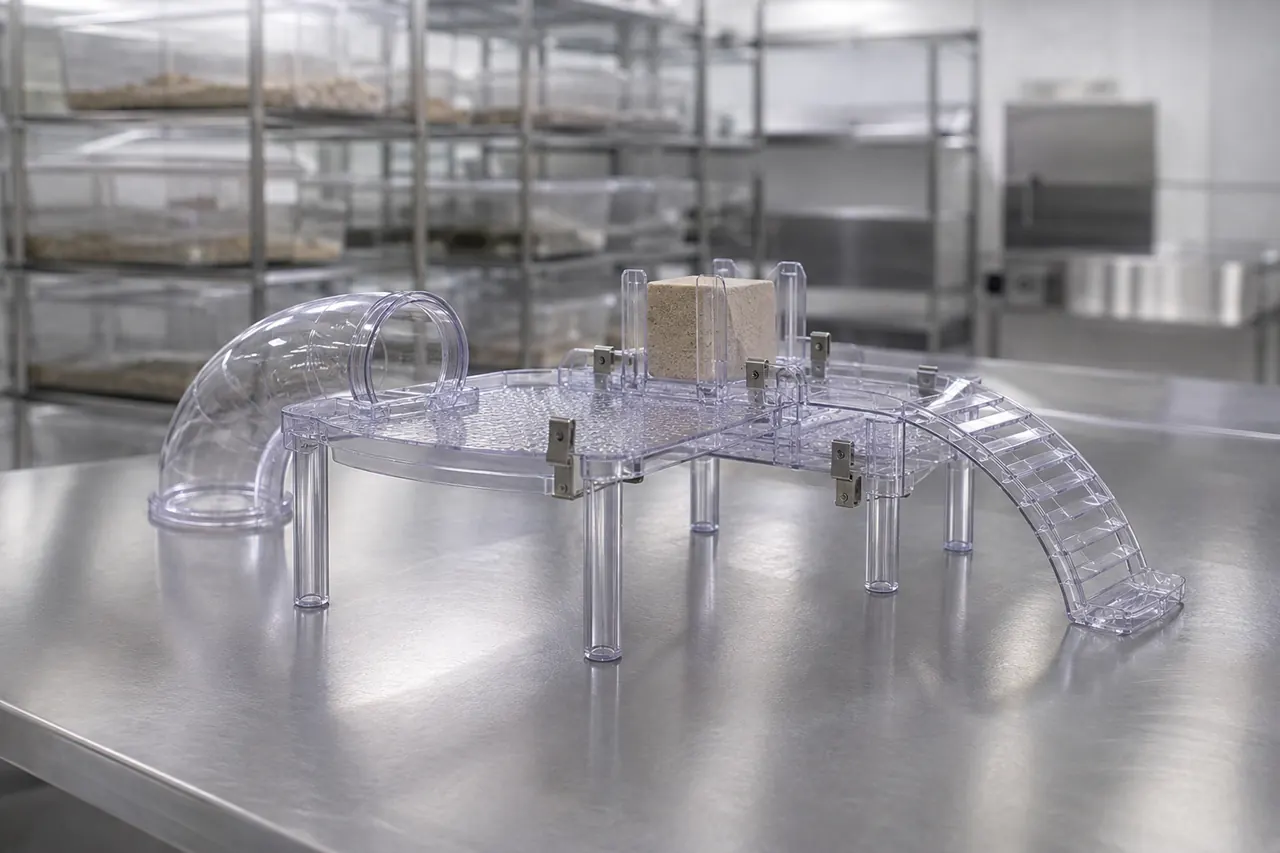
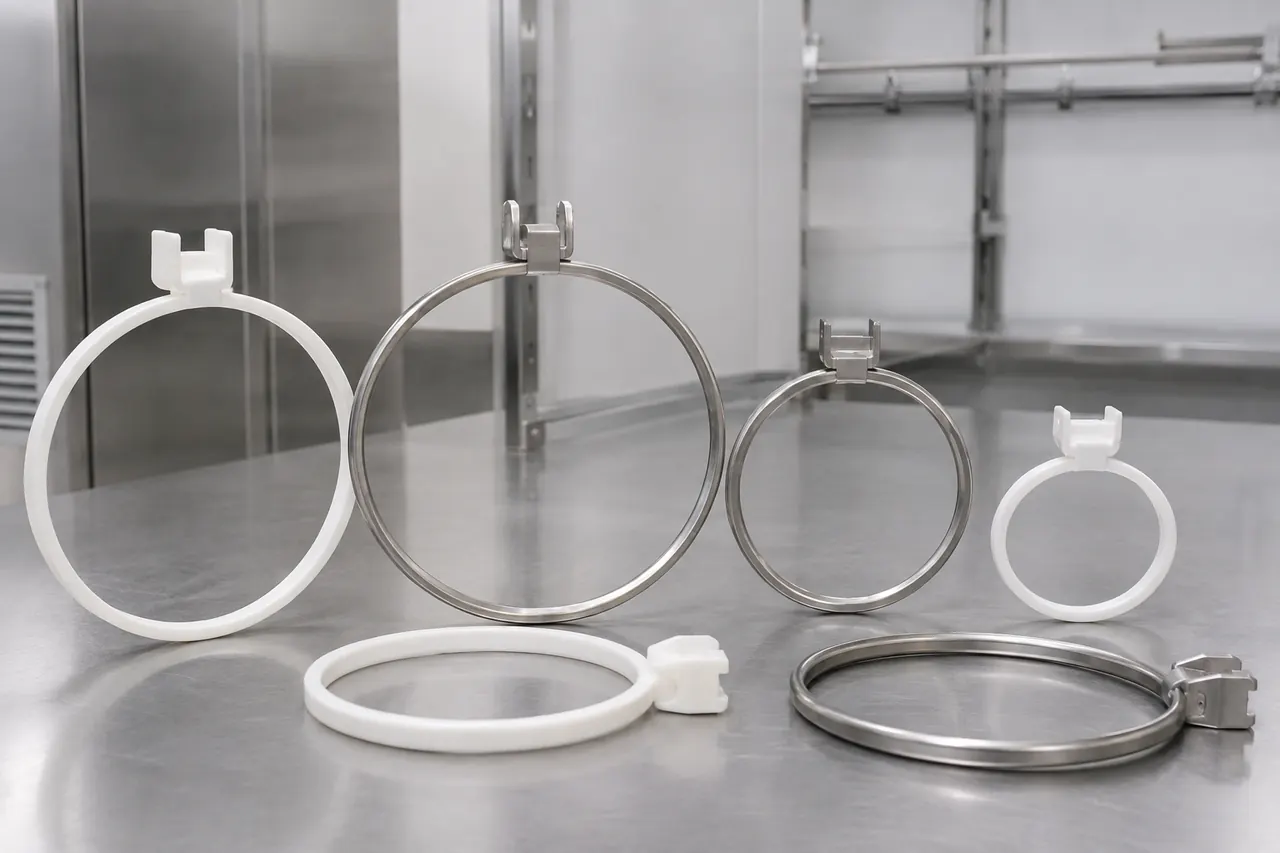
Non Human Primate Enrichment Device covers a broad device family for manipulation, foraging, occupation, sensory engagement, or use of space.

Room fitbroad manipulable, foraging, occupational, sensory, and structural enrichment device planning within a primate behavioral programProduct overview

Product overview

What this equipment is used for

A non-human primate enrichment device is one component of an institution's environment-enhancement plan. Devices can differ widely in purpose, access, material, attachment, food contact, complexity, durability, and monitoring, so a mirror-specific question should be reviewed separately from the broader device family.

Configuration basis

Use context
broad manipulable, foraging, occupational, sensory, and structural enrichment device planning within a primate behavioral program
Equipment family
Animal Welfare and Enrichment Products
Final configuration
Dimensions, utilities, and options are confirmed for the project.

Facility fit and configuration

Plan the product around the room and daily routine

Separate routine use from configuration decisions, then send the remaining room and purchasing details.

Use scenarios

Where the equipment fits

  • 1Manipulable and occupational items within an approved primate program
  • 2Foraging or feeding devices coordinated with diet and sanitation controls
  • 3Structural or cage-mounted elements that alter how animals use enclosure space
  • 4Rotating device libraries evaluated by species, individual, group, and response

Configuration review

What changes the setup

  • Define species, individual or group context, target behavior, and current enrichment plan.
  • Choose the device category: manipulable, foraging, occupational, sensory, or structural.
  • Review dimensions, access, mounting, complexity, food contact, and supervision.
  • Assess breakage, detachable parts, ingestion, entrapment, strangulation, and conflict risks.
  • Plan inspection, cleaning, disinfection, drying, rotation, storage, and replacement.

RFQ details

Complete the project brief

For a Non Human Primate Enrichment Device review, provide species and housing, the behavioral objective and device category, enclosure and mounting information, intended access or supervision, safety and food-contact constraints, cleaning, rotation, inspection, and observation criteria. Final use must follow the approved environment-enhancement plan.

  • Primate species, size range, individual or group housing, and behavioral objective
  • Device category, intended activity, and access or supervision pattern
  • Enclosure drawings, mounting points, reach zones, and keeper access
  • Material, attachment, food-contact, breakage, and ingestion constraints
Request a quote

Final configuration, dimensions, utilities, and delivery scope are set during the quote and order process.

Buyer FAQ

Questions about Non Human Primate Enrichment Device

Quick answers for room planning, product comparison, and quotation preparation.

Non Human Primate Enrichment Device: which device category should be considered?

Start with the behavioral objective. Manipulable, foraging, occupational, sensory, and structural devices create different activities and risks. The program should choose a category that complements social housing and other enrichment.

Non Human Primate Enrichment Device: how is this different from an enrichment mirror?

The device family includes many object types and activities, while a mirror is a specific visual stimulus with its own placement, reflective-material, mounting, and behavioral-response questions.

Non Human Primate Enrichment Device: what attachment information is needed?

Provide cage or room drawings, mounting points, reach from inside and outside, keeper access, hardware exposure, movement range, nearby doors and feeders, cleaning access, and the expected force or manipulation.

Non Human Primate Enrichment Device: how should a device library be managed?

Identify each item, compatible species or animals, cleaning status, inspection findings, storage, introduction and removal dates, observed response, damage, rotation, and retirement reason.

Non Human Primate Enrichment Device: what makes a food device different?

Food-contact material, diet allocation, contamination, cleaning, drying, access, competition, complexity, leftover food, and recordkeeping must be coordinated with the feeding and veterinary plan.

Related resources

Go deeper with planning resources for Non Human Primate Enrichment Device

FAQ

FAQ library

Non Human Primate Enrichment Device: which device category should be considered?

Start with the behavioral objective. Manipulable, foraging, occupational, sensory, and structural devices create different activities and risks. The program should choose a category that complements social housing and other enrichment.

Non Human Primate Enrichment Device: how is this different from an enrichment mirror?

The device family includes many object types and activities, while a mirror is a specific visual stimulus with its own placement, reflective-material, mounting, and behavioral-response questions.

Non Human Primate Enrichment Device: what attachment information is needed?

Provide cage or room drawings, mounting points, reach from inside and outside, keeper access, hardware exposure, movement range, nearby doors and feeders, cleaning access, and the expected force or manipulation.

Guides

Buyer guides

Non Human Primate Enrichment Device category selector

Match manipulable, foraging, occupational, sensory, and structural device categories to the approved behavioral objective.

Non Human Primate Enrichment Device attachment and risk checklist

Review enclosure access, mounting, hardware, movement, breakage, detachable parts, ingestion, entrapment, conflict, and keeper safety.

Non Human Primate Enrichment Device library record

Track item identity, compatibility, cleaning, inspection, storage, issue and return dates, behavior, damage, rotation, and retirement.

Solutions

Solution references

Non Human Primate Enrichment Device for foraging programs

Coordinate device complexity, food allocation, access, competition, leftovers, cleaning, drying, observation, and progressive change.

Non Human Primate Enrichment Device for cage-mounted manipulation

Plan reach, movement, attachment, hidden hardware, nearby doors and feeders, keeper access, inspection, and safe removal.

Non Human Primate Enrichment Device for rotating activity libraries

Organize compatible items, inspection, cleaning status, storage, scheduling, animal response, damage, replacement, and retirement.